
The unprecedented expansion of artificial intelligence infrastructure is often compared to a modern-day gold rush where investors scramble to find the quickest path to substantial wealth. While the potential for profit remains massive, the actual complexities of building the physical infrastructure to support these computations are frequently overlooked by the casual observer. Many individual investors find themselves drawn to the headline-grabbing hype of massive construction projects, only to realize later that they are entangled in a web of logistical, political, and financial hurdles that can stall progress for several years. A perfect illustration of these inherent risks is the “Stratos Project” in Utah, a mammoth one hundred billion dollar data center initiative led by Kevin O’Leary. Despite its grand scale, the project continues to face mounting public resistance and environmental concerns. This situation highlights the dangers of direct real estate investment in the artificial intelligence sector right now.
Navigating the Complexities of Physical Infrastructure
Direct investment in large-scale data center facilities often involves navigating a maze of bureaucratic delays and astronomical energy requirements that can turn a promising venture into a stagnant money pit. The Stratos Project serves as a cautionary tale because it lacks guaranteed tenants and struggles with the localized impact of its immense footprint. For an independent developer, the cost of securing a high-capacity connection to the electrical grid has skyrocketed, often requiring years of negotiation with local utility boards and environmental regulators. These physical assets are subject to zoning laws that can change with local political winds, leaving billions in capital stranded if a permit is denied or a community group files a lawsuit. Instead of chasing these high-risk physical developments, market participants are beginning to recognize that the safest way to participate in the AI boom is by focusing on the underlying components that make the entire ecosystem possible.
By pivoting toward a “picks-and-shovels” approach, one can find entry points that do not require the direct management of a construction site or the navigational hazards of local government. This philosophy emphasizes the essential services and materials that the AI industry cannot function without, such as specialized cooling systems, advanced power management hardware, and high-bandwidth fiber optics. Investing in the foundation of the technology rather than the specific buildings themselves allows for broad exposure to the global megatrend while mitigating the volatility of individual infrastructure projects. This strategy ensures that even if a specific data center fails to come online, the demand for the components remains high across the rest of the industry. This shift in perspective transforms the investment from a speculative bet on a single plot of land into a diversified play on the fundamental growth of the digital economy as it evolves toward more complex models.
Securing Stability Through the National Power Grid
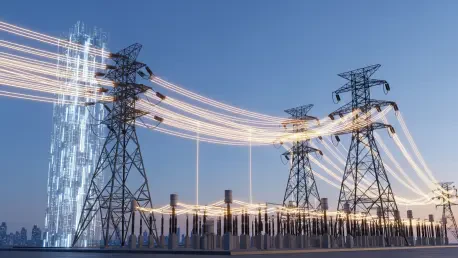
The sheer amount of electricity required to run advanced generative models is staggering, with single projects sometimes projected to consume more power than entire mid-sized states. This relentless demand is placing an unprecedented strain on the national electrical grid, forcing utility companies to embark on massive modernization efforts to accommodate the load. For a savvy participant, these regulated utilities represent a direct and reliable way to profit from the AI boom because electricity is a non-negotiable requirement that will only see increased demand as facilities proliferate. Companies like NextEra Energy or Southern Company are essentially the silent partners in every computation, collecting revenue regardless of which specific AI application becomes the market leader. This unique position allows these organizations to pass through the costs of infrastructure upgrades to their customer base, ensuring a level of financial stability. This steady growth is tied to the expansion of the entire sector.
Investing in utility companies provides a layer of financial security that speculative real estate lacks, primarily due to regulated returns and consistent revenue streams that are often protected by law. These companies generally pay attractive dividends, allowing market participants to generate consistent income while waiting for the long-term growth of the digital economy to fully materialize. By utilizing diversified energy exchange-traded funds, an individual can gain broad exposure to this critical sector, ensuring that their portfolio benefits from the “power grid upgrade” megatrend without the risk of a single project failure. This approach focuses on the necessity of the service rather than the success of a specific startup or construction site. As the world transitions toward more energy-intensive computing, the companies providing the electrons will remain at the heart of the profit cycle, making them a cornerstone for any risk-averse strategy in the current technological climate.
Capitalizing on Critical Materials and Big Tech Dominance
Beyond the immediate need for power, the physical wiring of the modern era relies heavily on copper, a metal that is absolutely essential for both electrification and high-density data center infrastructure. The industry is currently facing a significant supply-demand imbalance, as years of underinvestment in global mining have met a sudden surge in need from both AI development and green energy initiatives. Major mining corporations, such as Freeport-McMoRan, are exceptionally well-positioned to benefit from this scarcity, offering a diversified safety net for those who want to profit from the industrial backbone of the digital age. Unlike a single data center project that may never be built, the demand for copper is universal across all hardware manufacturers and infrastructure developers. This makes industrial metals a “must-have” asset class that provides a hedge against inflation while directly participating in the technological advancement required for high-speed computing.
Another stable entry point into the sector is through “hyperscalers,” the massive tech giants that currently dominate the cloud and artificial intelligence landscape. Corporations like Microsoft, Amazon, and Alphabet possess the financial resilience to fund massive capital expenditures using the cash flow from their already profitable core businesses. Because these giants are often their own primary tenants, they completely avoid the vacancy risks that plague independent data center developers who must search for occupants after building a facility. These companies are vertically integrated, owning everything from the software layers to the physical servers and the buildings they inhabit. This level of control provides a much safer way to gain exposure to AI infrastructure because the risk of a project being abandoned is virtually nonexistent. By focusing on these established leaders, one can benefit from the growth of AI without worrying about the logistical failures of smaller, unproven infrastructure companies.
Maximizing Returns Through Strategic Institutional Management
For those who still desire a more direct link to data center real estate, professional management offers a necessary middle ground between reckless speculation and broad market plays. Institutional entities like the Blackstone Digital Infrastructure Trust allow individuals to pool their capital under the guidance of experienced professionals who understand the intricate nuances of facility development. This approach provides a structured way to receive dividends from high-tech real estate while offloading the “cowboy” risks of unproven projects to seasoned experts who have global scale. These professional managers have the leverage to negotiate favorable power contracts and secure long-term leases with blue-chip tenants before a single shovel hits the ground. This institutional layer acts as a filter, selecting only the most viable projects and ensuring that capital is deployed efficiently in markets where the demand for data processing is highest and the regulatory environment is favorable.
Success in this new landscape did not require taking the biggest risks, but rather involved choosing the most stable path to long-term profitability through fundamental components. Navigating the AI frontier necessitated a clear distinction between speculative ventures and reliable growth drivers like utilities, raw materials, and platform dominance. By focusing on the essential building blocks of the revolution, market participants captured the upside of a generational technology shift without falling victim to the common pitfalls of direct infrastructure development. Moving forward, prioritizing assets with established utility and clear regulatory pathways became the standard for sophisticated portfolios. This paradigm shift in strategy allowed for sustainable wealth creation while others remained entangled in the complexities of unproven and high-risk construction projects. The final resolution involved a commitment to quality over quantity, ensuring that every asset held a pivotal role in the ongoing evolution of the digital economy.