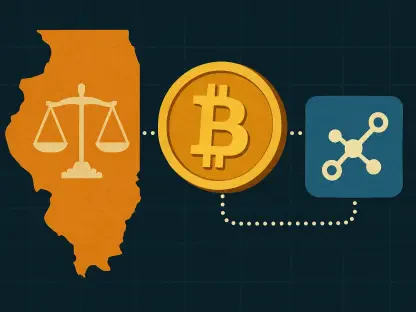
Implementing institutional-grade DeFi infrastructure is no longer optional for firms needing to capture the fiat-equivalent value of every token transfer at the exact moment of execution. As the legal landscape in Illinois shifts toward a more aggressive taxation model in late 2026, decentralized

The deceptive nature of off-chain signatures allows scammers to drain assets through the EIP-2612 Permit standard without requiring an immediate gas fee. As the decentralized finance ecosystem continues to mature in 2026, the technical complexity of these interactions has created a landscape where

The shift toward an agentic financial future requires an underlying infrastructure that can automate compliance and trust for autonomous AI transactions. This demand has catalyzed a major advancement in the fintech sector as Alta secures eighty million dollars in total funding to bridge the

The KBIPA is advocating for a 'pay-as-you-grow' capital model where the statutory minimum of 1 billion won only increases once an issuer’s managed assets exceed 100 billion won. This strategic push represents a significant attempt to break the glass ceiling that has historically kept small and

Infrastructure providers in the blockchain space are finding it increasingly necessary to expand into adjacent financial sectors to secure sustainable enterprise budgets. The acquisition of River One by Securitize represents a landmark development in the evolving intersection of blockchain

Adopting digital wallet addresses as official identifiers would provide the legal certainty necessary for the mass adoption of tokenized real-world assets. The current friction between legacy administrative requirements and the speed of modern financial technology has reached a boiling point in the
1 2 3 4 5 6 7 8 9 10 11 12 13 14 15 16 17 18 19 20 21 22 23 24 25 26 27 28 29 30 31 32 33 34 35 36 37 38 39 40 41 42 43 44 45 46 47 48 49 50 51 52 53 54 55 56 57 58