

The transition from on-the-fly instruction to dedicated, intentional training sessions ensures that employees understand the specific business goals their efforts are intended to satisfy. In the competitive landscape of 2026, Rent-to-Own operations face an environment where consumer expectations

Linhart Public Relations is leveraging the fourteen-year history of Ashley Campbell to revitalize its internal culture and oversee critical client programs in the Denver market. This strategic return marks a significant moment for the agency as it seeks to blend deep historical institutional
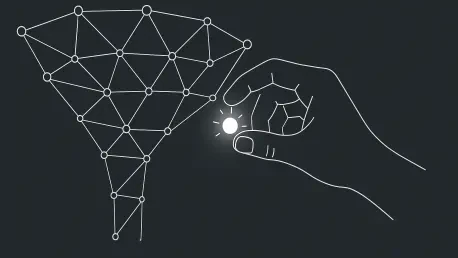
Corporate recruitment pipelines are currently undergoing a silent transformation where digital entities navigate the complexities of talent acquisition without the constant gaze of their human counterparts. The promise of speed and precision has led many organizations to hand over the keys of the

The integration of AI into cyber operations has shifted the theater of conflict from human-paced control to near-instantaneous machine-speed interactions. This fundamental pivot represents a radical transformation of the global digital landscape, driven by the convergence of artificial

The success of long-term institutional resilience depends on breaking down the silos between academic faculty and professional services to create unified leadership networks. In the current landscape of 2026, the traditional distinction between these two branches of university life has become

Success in the modern business landscape no longer hinges solely on the raw processing power of silicon but on how deeply that technology resonates with the human spirit and the daily experience of the workforce. The rapid integration of Artificial Intelligence into the workplace is often viewed
1 2 3 4 5 6 7 8 9 10 11 12 13 14 15 16 17 18 19 20 21 22 23 24 25 26 27 28 29 30 31 32 33 34 35 36 37 38 39 40 41 42 43 44 45 46 47 48 49 50 51 52 53 54 55 56 57 58 59 60 61 62 63 64 65 66