


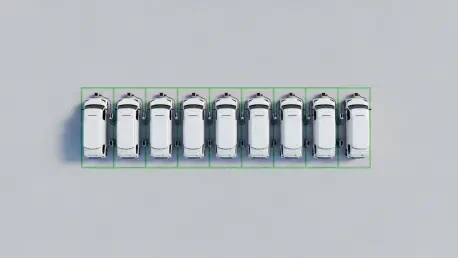

The global transportation landscape has undergone a profound transformation where the pursuit of sustainability is no longer viewed as a peripheral environmental effort but as the central pillar of modern corporate profitability. Heavy-duty fleet operators have collectively moved past the tentative experimental phase of electrification that characterized previous market cycles. Today, the decision to adopt zero-emission vehicles is increasingly dictated by their demonstrable capacity to enhance the bottom line and streamline complex logistical workflows. This significant shift signals a broader transition within the industry, moving away from purely green altruism toward a disciplined focus on operational efficiency and fiscal performance. As organizations face rising pressure to optimize every aspect of their supply chain, the integration of electric assets has become a strategic necessity rather than an optional commitment to corporate social responsibility.
Moving Beyond Environmental Altruism
The Financial Logic: Viable Zero-Emission Logistics
Industry leaders now largely agree that sustainability initiatives are only viable if they contribute directly to the long-term profitability of the organization. In previous cycles, conversations surrounding electric vehicles were often limited to theoretical benefits or a sense of environmental duty, yet the current economic climate demands that technology solve immediate, real-world problems. Fleet managers are increasingly evaluating electrification as a primary mechanism to escape the inherent volatility of fuel prices and the frequent disruptions associated with maintaining aging diesel equipment. By transforming electric vehicles into essential tools for financial stability, companies are finding that the initial capital expenditure is often offset by the predictable operational costs and reduced downtime. This pragmatism has redefined the role of technology in logistics, ensuring that every deployment is measured against its ability to deliver superior economic value and sustain long-term growth.
Operational Resilience: Escaping Diesel Volatility
The focus on profitability has led many organizations to view the transition to electric power as a strategic hedge against the increasing complexity of internal combustion engine maintenance. As diesel engines become more intricate to meet stringent emission standards, the associated repair costs and technical challenges have created significant operational drag for many fleets. In contrast, the simplified drivetrain of an electric vehicle offers a much higher degree of reliability, allowing companies to allocate their human and financial resources more effectively. This shift is not merely about replacing one fuel source with another; it is about adopting a more resilient business model that thrives on technological simplicity and uptime. Consequently, the transition to zero-emission fleets is being accelerated by the realization that maintaining traditional combustion assets is becoming an increasingly expensive and inefficient way to do business in a competitive global market.
Real-World Evidence and Strategic Integration
Terminal Trucks: The Vanguard of Electrification
Yard operations, particularly within busy ports and massive distribution centers, have emerged as the ideal proving ground for electric technology due to their highly predictable duty cycles and centralized charging requirements. Terminal trucks, frequently referred to as yard tractors, provide over a decade of empirical data demonstrating that they can consistently outperform their diesel counterparts in terms of both uptime and day-to-day reliability. Companies like Orange EV have logged millions of hours, proving that one in four new terminal trucks purchased today is electric, as fleet managers no longer just test the waters but integrate these vehicles into their core business models. This rapid adoption is fueled by a desire to eliminate the collective burden of maintenance and downtime that has long been a drawback of traditional combustion engines. Because these vehicles operate within a confined area, the logistical hurdles are mitigated, allowing for a seamless integration of electric power into existing daily workflows.
Actionable Excellence: The Path to Logistical Resilience
To achieve these results, fleet operators established clear roadmaps for the phased decommissioning of diesel assets while prioritizing the deployment of charging infrastructure in high-traffic hubs. They utilized data analytics to monitor real-time energy consumption and adjusted their logistical schedules to maximize the efficiency of their electric units. These organizations also fostered partnerships with utility providers to ensure long-term energy security and stabilized operational costs against market fluctuations. By focusing on employee education, they ensured that the transition remained smooth and that the workforce remained proficient in handling advanced technology. Ultimately, the industry moved toward a model where financial performance and environmental responsibility were inextricably linked through smarter asset management. These proactive measures allowed companies to secure a competitive advantage by reducing their reliance on volatile fuels and improving their overall logistical resilience in a demanding market environment.







