
The traditional image of a stockbroker shouting orders on a trading floor has long since been replaced by a quiet, data-driven environment where the focus is no longer on individual trades but on the preservation of a client’s total financial existence. In 2026, the wealth management sector is navigating an era defined by extreme economic fluidity and a fundamental shift in client expectations that prioritize stability over mere market gains. This transformation is not merely a change in service but a complete reimagining of the financial advisor’s role from a simple intermediary to a holistic architect of personal prosperity. The modern framework acknowledges that wealth is not a collection of isolated products but a living ecosystem that requires constant attention and a comprehensive strategy to survive. By integrating every aspect of a person’s life into a single financial roadmap, advisors are moving away from the narrow focus on asset allocation to address the broader complexities of a globalized economy.
Adapting to Global and Professional Shifts
Policy Management: Navigating Regulatory and Tax Volatility
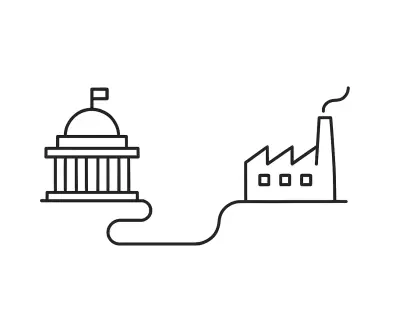
The inherent unpredictability of government policy and political leadership remains one of the most significant challenges for individuals seeking to grow their wealth in the current landscape. When administrations change, they often introduce sweeping reforms to tax codes, pension regulations, and investment incentives that can fundamentally alter the effectiveness of a pre-existing financial plan. In 2026, a proactive strategy is no longer a luxury but a requirement for those who wish to avoid the corrosive effects of sudden legislative shifts on their net worth. Advisors are now expected to function as political strategists who can read the trajectory of global policy and adjust portfolios before new laws are even enacted. This high-level anticipation allows for the creation of flexible structures that can withstand various political outcomes without requiring a complete overhaul of the client’s long-term objectives.
Dynamic planning involves more than just reacting to the news; it requires a deep understanding of the underlying mechanics of fiscal policy and how they impact specific asset classes. For instance, changes in capital gains taxes or corporate levies can significantly reduce the real-world value of a portfolio if the owner is not positioned in tax-efficient vehicles. Modern wealth managers utilize sophisticated modeling to simulate the impact of potential regulatory changes on a client’s cash flow and retirement readiness. By building “policy-agnostic” portfolios, advisors help ensure that wealth remains protected regardless of which political party holds power or which economic theories are currently in vogue. This evolution marks a departure from the historical reliance on static benchmarks and moves toward a more fluid, defensive posture that treats regulatory volatility as a constant factor in the planning process.
Strategic Partnerships: Transitioning from Sales to Stewardship
A profound shift is occurring in the professional relationship between clients and their financial representatives, as the traditional “product seller” model rapidly loses relevance. Investors today are increasingly wary of advisors who focus primarily on selling specific stocks, mutual funds, or insurance policies for a commission. Instead, the market is demanding a “Trusted Partner” who provides objective, long-term guidance and prioritizes the client’s comprehensive life goals over short-term transaction volumes. This transition reflects a growing understanding that financial success is rarely the result of a single “hot” investment but is instead the product of a sustained, disciplined strategy. Professional stewardship in 2026 emphasizes the alignment of financial decisions with personal values, ensuring that every dollar spent or invested serves a specific purpose in the client’s broader life story.
The emergence of the advisor as a strategic partner has fundamentally changed the discovery process during the initial stages of a relationship. Rather than starting with a list of available investment products, advisors now begin with an intensive exploration of the client’s core values, family dynamics, and long-term aspirations. This qualitative approach allows for the creation of a personalized roadmap that transcends market cycles and addresses the human element of finance. By focusing on stewardship, wealth managers can provide a sense of clarity and confidence that a simple spreadsheet of assets cannot achieve. This partnership model fosters a deeper level of engagement, where the client feels empowered to make informed decisions rather than simply following a prescribed list of products. The result is a more resilient plan that is naturally tailored to the individual’s unique circumstances.
Defining the Holistic Planning Framework
Interconnected Systems: The Integration of Financial Ecosystems
At the heart of modern wealth management is the concept of the interconnected financial ecosystem, where investments, taxes, and retirement needs are treated as a single unit. Historically, these components were managed in silos, often leading to inefficiencies where a gain in one area was offset by an unforeseen liability in another. A holistic approach eliminates these contradictions by creating a unified strategy where every financial decision is weighed against its impact on the entire structure. For example, the decision to sell an asset is no longer based solely on its market performance but also on the tax implications of the sale and its role in the client’s future retirement income. This level of coordination ensures that all parts of the plan are working in harmony, maximizing the efficiency of the capital and reducing the risk of a “leakage” of wealth.
Maximizing net-of-tax wealth has become a primary metric for success in 2026, surpassing simple gross investment returns in importance. Advisors now utilize advanced cross-disciplinary knowledge to structure assets in ways that minimize the tax burden across multiple jurisdictions and asset types. This requires a granular understanding of how different investment vehicles interact with the tax code over long periods. By focusing on the bottom-line wealth that actually reaches the client’s pocket, holistic planning provides a more accurate picture of financial health. This strategy also accounts for the timing of withdrawals and the sequence of returns, ensuring that the portfolio remains sustainable even during periods of market stress. The integration of these various elements creates a robust framework that can support a client’s lifestyle through every stage of their life, from their peak earning years into a secure retirement.
Wealth Preservation: Securing Legacies and Managing Risks
Effective wealth management must look beyond the accumulation phase to address the critical tasks of risk management and the smooth transfer of assets to the next generation. A truly holistic strategy incorporates a comprehensive evaluation of insurance coverage and emergency reserves to protect the financial plan from unexpected personal crises. In 2026, the complexity of modern life—from healthcare costs to potential legal liabilities—demands a sophisticated approach to asset protection. This involves not just purchasing a policy, but carefully integrating insurance into the overall estate plan to ensure that wealth is not eroded by catastrophic events. By identifying and mitigating these risks early, advisors provide a safety net that allows the rest of the financial strategy to function without the constant threat of disruption from outside forces.
To conclude the evolution toward a holistic model, successful advisors adopted a mindset that looked far beyond the immediate horizon to ensure long-term legacy stability. They moved away from viewing estate planning as a final, static task and instead treated it as a dynamic, ongoing process of succession. By the end of 2026, the most effective strategies had prioritized the efficient transfer of wealth while minimizing the tax burdens on heirs and ensuring that the original owner’s values remained intact. These practitioners focused on creating actionable structures, such as trusts and family governance systems, which provided clear directions for future generations. This retrospective look at recent progress showed that the shift toward legacy security protected more than just money; it preserved the intent and impact of a lifetime’s work. Advisors who implemented these solutions effectively bridged the gap between current security and future continuity.