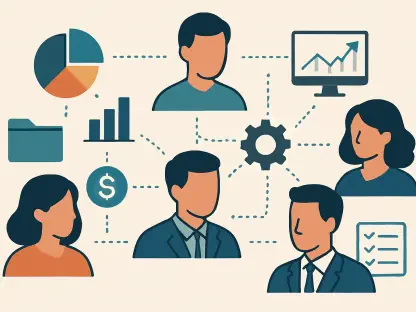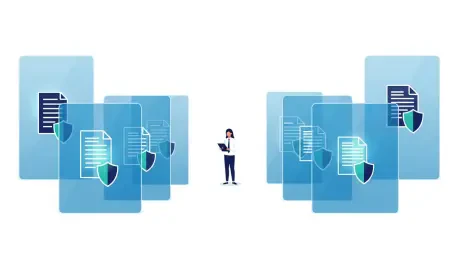

Many modern organizations find themselves trapped between the promise of high-speed artificial intelligence and the reality of fragmented legacy systems that scatter sensitive employee data across disconnected silos. This tension creates a significant barrier to entry for those looking to leverage automated workflows or predictive analytics in human resources management. While the allure of instant insights and seamless employee self-service is strong, these capabilities remain out of reach without a cohesive digital architecture. The shift from disjointed environments to integrated, AI-optimized platforms requires more than just new software; it necessitates a fundamental rethinking of how content is captured and stored. By prioritizing a secure and governed foundation, HR leaders can transform their administrative functions into intelligent engines of growth. Ensuring that data is clean and properly structured is the first step toward building a system that actually protects the workforce while simultaneously increasing operational speed.
Strategic Modernization: Lessons From Industry Leaders
Garney, a prominent leader in the construction industry, recently demonstrated the importance of this architectural shift by overhauling its human resources technology after facing challenges with a failed legacy deployment. By centralizing employee documents and strengthening governance protocols, the organization successfully stabilized its infrastructure and extended the reach of its existing SAP SuccessFactors platform. This process involved a meticulous approach to the entire document lifecycle, moving from basic digital capture to normalization and secure activation. Managing these stages effectively allows companies to mitigate privacy risks that often arise when sensitive information is handled manually or across multiple platforms. Modernization strategies now focus on creating a single source of truth that feeds into broader enterprise resource planning. This structural integrity ensures that when automated tools are eventually introduced, they operate within a controlled environment that respects data sovereignty and compliance standards.
Governance and Security: The Path to Intelligent Automation
Implementing a secure, explainable framework became the primary method for establishing trust between HR departments and the employees they served. Organizations utilized content enrichment and automated administrative tasks to prove that digital assistance could enhance, rather than compromise, the integrity of personal records. One critical trend involved the prevention of uncontrolled AI tools from accidentally surfacing or exposing confidential data, which was achieved through rigorous governance policies. To move forward, leaders prioritized the adoption of tools that offered transparency in how data was processed and retrieved. They integrated digitally assisted onboarding processes that relied on structured data to eliminate human error and reduce processing times. By focusing on foundational security first, these professionals ensured that their technological advancements remained sustainable and scalable through 2027 and beyond. The final transition toward full AI integration was completed by establishing clear protocols for data access, which protected the organization from the risks of information leakage.