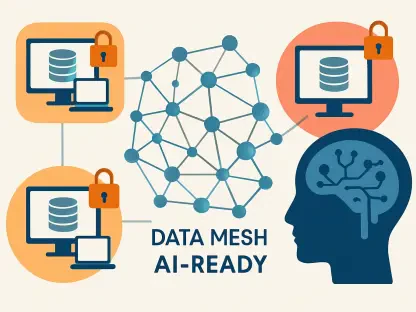

Modern human resources departments are currently navigating a high-stakes environment where the speed of regulatory change significantly outpaces the legacy systems designed to manage corporate risk. This growing disparity, often referred to as the compliance infrastructure gap, forces HR practitioners to juggle complex international labor standards and local wage transparency mandates with tools that were never intended for such a volatile landscape. As the complexity of data governance and algorithmic accountability intensifies, the reliance on manual spreadsheets and disconnected databases creates a hidden layer of administrative debt. This debt does not merely represent an inconvenience; it constitutes a fundamental vulnerability that can lead to severe legal penalties and a total erosion of employee trust. Without a strategic pivot toward integrated governance, the function risks being permanently relegated to a reactive mode, constantly extinguishing fires instead of fostering organizational growth and resilience.
The Escalating Pressure of Modern Governance
Navigating the Complexity of Algorithmic Oversight
The rapid deployment of artificial intelligence in recruitment and performance management has introduced a new frontier of regulatory scrutiny that many HR departments are ill-equipped to handle. While automation offers the promise of increased efficiency, it also brings the risk of embedded algorithmic bias and transparency violations that current audit processes often fail to detect. Organizations are now finding that existing compliance frameworks lack the sophistication required to validate the fairness of automated decision-making systems. This gap is particularly evident when companies attempt to explain complex machine-learning outputs to regulators or disgruntled candidates. Consequently, HR leaders must now prioritize the implementation of robust AI governance structures that ensure every automated action is traceable, justifiable, and compliant with emerging digital ethics standards. Failure to do so transforms a powerful tool into a significant liability that could overshadow any operational gains achieved through its use.
The struggle to maintain oversight is further complicated by the sheer volume of data generated by these advanced platforms, which often resides in silos inaccessible to the compliance team. When documentation is fragmented across various third-party vendors and internal modules, the ability to conduct a comprehensive risk assessment becomes virtually impossible. This lack of visibility prevents organizations from identifying systemic issues before they escalate into formal complaints or litigation. As regulatory bodies increase their focus on the ethical use of technology, the demand for granular, real-time documentation is becoming the new standard. Bridging this gap requires a fundamental shift from viewing technology as a standalone solution to seeing it as a core component of a broader, integrated compliance ecosystem. Only by centralizing data flow and establishing clear ownership of digital assets can HR ensure that its use of innovation remains within the boundaries of evolving legal and ethical expectations.
Managing the Shift Toward Total Wage Transparency
Beyond the digital realm, the landscape of pay equity and transparency has undergone a radical transformation, requiring a level of precision that manual internal processes cannot reliably provide. Legislative bodies are increasingly mandating that employers disclose salary ranges and provide detailed justifications for pay differentials, effectively ending the era of confidential compensation structures. This shift places an enormous burden on HR teams, who must now audit thousands of roles to ensure internal consistency and external competitiveness while simultaneously preparing for public scrutiny. The challenge is not merely about publishing numbers but about ensuring that the underlying data is accurate and that the rationale for every compensation decision is legally defensible. In many cases, the infrastructure required to track these variables in real time is simply missing, leaving companies vulnerable to claims of systemic inequity and the resulting financial and reputational damage.
Furthermore, the operational strain of managing transparency requirements often diverts resources away from strategic talent initiatives like leadership development and employee engagement. When HR professionals spend a disproportionate amount of time correcting payroll discrepancies and responding to information requests, the proactive elements of their role are sidelined. This administrative burden is particularly heavy for multinational corporations that must navigate a patchwork of conflicting regional regulations. The absence of a unified system that can automatically adapt to different jurisdictions creates a constant state of flux, where errors are nearly inevitable. To mitigate this risk, forward-thinking organizations are investing in automated compliance engines that can synchronize compensation data with regulatory updates. By automating the mechanical aspects of transparency, HR can reclaim its position as a strategic advisor, focusing on building a culture of fairness rather than just checking boxes to avoid legal fines.
Realignment Strategies for Long-Term Resilience
Bridging the Perception Divide in Executive Leadership
One of the most significant obstacles to closing the infrastructure gap is the disconnect between the operational reality in the HR office and the perception of risk in the executive suite. While practitioners on the front lines deal with the daily friction of outdated systems and manual workarounds, senior leaders often view compliance as a settled issue as long as no major lawsuits are pending. This perception gap leads to chronic underfunding of governance initiatives, as capital is directed toward more visible profit-generating projects. To break this cycle, HR must learn to translate administrative strain into the language of business risk and financial exposure. By presenting data that illustrates how fragmented documentation leads to lost productivity and increased litigation probability, HR can make a compelling case for the necessary investments. Securing executive buy-in is not just about getting more software; it is about aligning the entire organization’s risk appetite with the actual demands of the modern regulatory environment.
This alignment also involves redefining the role of the compliance function from a back-office necessity to a central pillar of the corporate value proposition. In a market where top talent increasingly prioritizes ethical conduct and transparency, a robust compliance infrastructure serves as a powerful recruitment and retention tool. When executives understand that governance directly impacts the company’s ability to attract the best workers and maintain its brand reputation, they are more likely to support systemic upgrades. This shift requires a collaborative approach, where HR, legal, and information technology teams work together to design a governance framework that is both flexible and secure. Moving away from a siloed approach allows the organization to build a resilient foundation that can withstand sudden regulatory shifts. By fostering a culture where compliance is seen as a collective responsibility rather than an HR-only task, companies can ensure that their infrastructure evolves in lockstep with the broader business strategy.
Implementing Integrated Systems for Scalable Governance
The transition from manual processes to an integrated compliance infrastructure requires a deliberate selection of technologies that prioritize interoperability and scalability. Rather than adopting a collection of niche tools that do not communicate with each other, organizations should look for platforms that offer a single source of truth for all employee-related data. Such systems enable the automation of documentation workflows, ensuring that every certification, training record, and compensation change is captured and archived in a searchable format. This level of organization is crucial for surviving audits and responding to legal inquiries with speed and accuracy. When the underlying data is reliable and easily accessible, the administrative burden on the HR team is significantly reduced, allowing them to focus on interpreting data rather than just gathering it. The goal is to create a digital environment where compliance happens as a byproduct of everyday business processes, rather than through extraordinary effort.
Moreover, the successful implementation of these systems depends on a continuous commitment to data integrity and process optimization. It is not enough to simply install new software; the organization must also establish clear protocols for data entry and regular system maintenance. This involves ongoing training for all staff members to ensure they understand the importance of accurate documentation and their role in maintaining the integrity of the compliance ecosystem. As the regulatory landscape continues to evolve, the infrastructure must be capable of adapting to new rules without requiring a complete overhaul. By choosing modular systems that can be updated with new modules or integrations, companies can stay ahead of the curve. Ultimately, the ability to scale compliance operations in response to growth or new mandates is what distinguishes resilient organizations from those that will struggle. A well-constructed digital foundation provides the security needed to explore new markets and embrace innovative technologies with confidence.
Building a modern compliance foundation required a significant shift in how the organization viewed its administrative responsibilities and technological investments. Leaders moved away from fragmented, reactive methods and instead prioritized integrated systems that could scale with the business. This strategic realignment allowed the human resources function to transition from a defensive posture to a proactive role, focused on strategic talent development and organizational growth. By addressing the perception gap at the executive level and implementing robust, data-driven frameworks, the company successfully mitigated the risks associated with AI integration and wage transparency. These efforts ultimately fostered a culture of accountability and transparency that enhanced both employee trust and operational resilience. The process demonstrated that a strong governance infrastructure was not a burden but a critical enabler of long-term success in an increasingly complex global market. Moving forward, the focus remained on continuous improvement and staying attuned to the evolving regulatory landscape to maintain this competitive advantage.