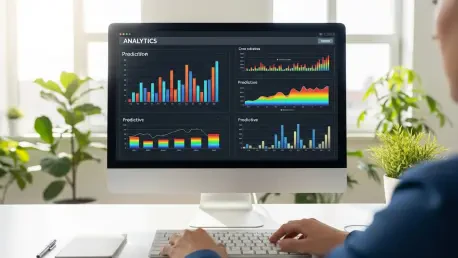

Navigating the complexities of modern human capital management requires a sophisticated approach to data that transcends traditional spreadsheet analysis and reactive reporting methods. As organizations in 2026 face increasingly volatile labor markets, the need for real-time clarity regarding workforce dynamics has never been more critical for sustaining a competitive advantage. Cezanne HR recently addressed this demand by introducing a comprehensive AI-powered workforce analytics tool designed to bridge the gap between raw data collection and strategic execution. This platform emerged at a time when human resource professionals were often overwhelmed by disparate information sources, offering a unified ecosystem for tracking performance, engagement, and turnover. By leveraging advanced machine learning, the tool provides leaders with the ability to see beyond current headcounts, focusing instead on the underlying patterns that drive organizational health and productivity across various global departments.
Strategic Integration: Transforming Raw Data Into Organizational Intelligence
The technological foundation of this new offering rests on its ability to seamlessly integrate with existing human resource information systems while maintaining high standards of data security and privacy. One of the most significant features of the suite is its natural language processing interface, which allows managers to query complex databases using simple, conversational English rather than requiring specialized knowledge of SQL or data science. This democratization of information ensures that departmental heads can access localized insights regarding team performance or budget allocation without waiting for centralized reports from the analytics team. Furthermore, the tool employs predictive modeling to identify flight risks among top performers by analyzing patterns in engagement scores and historical tenure data. Such precision enables managers to intervene with personalized retention strategies before a resignation occurs, thereby reducing total turnover costs.
Beyond immediate retention efforts, the implementation of these analytics encourages a more profound shift toward evidence-based diversity and inclusion initiatives within the corporate structure. The system is programmed to automatically detect potential biases in promotion cycles or salary adjustments, providing objective oversight that helps align corporate actions with stated equity goals. Leaders utilize these granular insights to redesign career development pathways, ensuring that high-potential employees receive the necessary resources to advance regardless of their geographic location or specific team assignments. By moving toward a model of continuous feedback and monitoring, organizations effectively mitigate the risks of burnout and disengagement that often plague large-scale operations. The actionable data provides a roadmap for building more resilient workforces that can adapt to shifting market demands while maintaining a strong internal culture rooted in fairness.
Organizations that successfully navigated the transition to this AI-driven environment prioritized the upskilling of their HR staff to interpret algorithmic outputs with a human-centric perspective. It became clear that while the software could identify trends and predict outcomes, the final decision-making process required an understanding of the qualitative nuances that numbers alone could not capture. To maximize the utility of the tool, businesses established clear protocols for data ethics and transparency, ensuring that employees understood how their information was being used to improve the work environment. These steps moved the industry away from invasive surveillance toward a collaborative partnership between technology and personnel. Ultimately, the integration of these analytics served as a catalyst for a more responsive and empathetic management style, where strategic goals were balanced with the genuine needs of the workforce, creating a sustainable model for growth.