In an era where the sales department can forecast quarterly revenue with pinpoint accuracy and marketing can predict customer behavior down to the click, a persistent question has echoed through boardrooms: why has the human resources department struggled to answer one of the most critical questions of all, which is who is going to leave next month? For decades, HR has been the custodian of vast amounts of people data, yet its ability to leverage that information for proactive strategy has lagged significantly behind other business functions. This dynamic is undergoing a profound and rapid transformation. The convergence of adaptive intelligence and dynamic data visualization is finally empowering HR to move beyond its traditional administrative role, turning it into a forward-looking, strategic partner capable of driving measurable business outcomes.
Why Can Your Sales Team Predict Next Quarters Revenue but Your HR Team Cant Predict Next Quarters Resignations
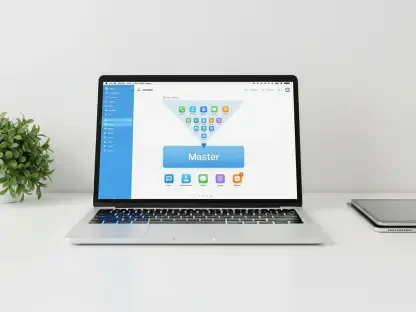
The disparity in predictive capability between HR and other departments is not due to a lack of data, but a historical lack of connectivity. Sales and finance teams have long benefited from integrated platforms that unify data points into a clear, predictive narrative, allowing them to model future outcomes with confidence. In contrast, HR data has traditionally been trapped in disconnected systems. Information on recruitment, performance, compensation, employee engagement, and training has existed on separate data islands, making a holistic view of the workforce nearly impossible to achieve without extensive manual effort.
This technological gap created a functional one. While other departments were building strategies based on forward-looking models, HR was often left to piece together historical reports from spreadsheets. The complexity of human behavior, combined with the fragmented nature of the data, meant that answering “what happened” was already a challenge, let alone “what will happen next.” This forced HR into a reactive posture, responding to problems like high turnover or low engagement only after they had already begun to impact the organization.
The Rearview Mirror Escaping the Limitations of Traditional HR
For years, HR leaders navigated their organizations by looking in the rearview mirror. The primary tools at their disposal were static reports that offered a snapshot of a moment in time, often weeks or months after the fact. Critical metrics like turnover rates, time-to-hire, and employee satisfaction scores were presented in isolation. Without context or connection, these numbers could identify a problem but rarely reveal its root cause, leaving leaders to speculate on the “why” behind the “what.” This environment made it exceedingly difficult to connect HR initiatives directly to business performance.
The consequences of this hindsight-driven approach were significant. By the time a report revealed a spike in voluntary turnover in a specific department, the most valuable employees may have already departed, taking institutional knowledge with them. By the time an annual survey highlighted a dip in morale, the underlying cultural issues may have been festering for months, eroding productivity and collaboration. This reactive cycle was not only inefficient but costly, as organizations were perpetually trying to fix problems that a more proactive system could have helped them prevent.
The Quantum Leap How Integrated Data Is Reshaping HRs Role
The new generation of Human Resource Information Systems (HRIS) represents a quantum leap forward, transforming static data repositories into a living, interconnected view of the organization. Much like a physician uses a variety of real-time diagnostics to assess a patient’s health, modern HR leaders can now monitor a continuous stream of indicators that reveal the pulse of their workforce. This shift from static quarterly reports to a dynamic organizational x-ray allows for the early detection of friction points, the identification of cultural bright spots, and the ability to spot emerging trends before they escalate.
This newfound clarity is achieved by unifying the employee story from their first point of contact to their last. By connecting data from every stage of the employee lifecycle—recruitment, onboarding, performance, engagement, development, and offboarding—these platforms can uncover the powerful, often hidden, correlations between them. For instance, the system can reveal how a specific onboarding experience directly correlates with an employee’s long-term engagement and retention, or how participation in a leadership development program impacts internal mobility rates.
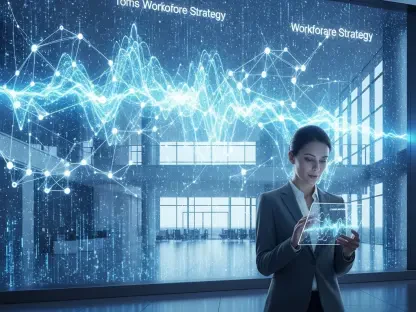
This unified view is the engine of prediction. Armed with connected intelligence, HR can finally transition from asking “What happened?” to confidently addressing “What’s next?” and “What should we do about it?”. Advanced analytics and machine learning algorithms can now analyze patterns across the workforce to identify employees at high risk of attrition, flag departments with declining engagement, and even predict future talent gaps. This predictive power allows HR to move from being a reactive administrator to a proactive strategist, intervening with targeted solutions before potential problems fully materialize.
The New Consensus Insights from the Forefront of HR Technology
Across the industry, a clear consensus has emerged: the modern HR platform must function as a decision-making engine, not a data cemetery. The primary trend is the fusion of data science and user-centric design to create systems that do more than present charts; they guide action. This philosophy recognizes that workforce data is most powerful when contextualized within the continuous narrative of an employee’s journey. Each touchpoint, from the initial application to the exit interview, is a signal that, when connected with others, provides invaluable insight into the health and trajectory of the organization.
This perspective recasts the connected employee journey as a core strategic asset. Dashboards and visualizations are no longer the end product but rather the entry point to a dynamic ecosystem that learns and adapts. This ecosystem is designed to illuminate causation—not just showing that turnover is high, but revealing that it is linked to a lack of recognition or a specific management style within a team. By making these connections visible, the technology empowers leaders at all levels to understand the “why” behind the data and make more informed, effective decisions.
A Practical Blueprint Building a Truly Strategic HR Function
Building a truly strategic HR function requires a technological foundation with five essential capabilities. First is a unified data flow, which eliminates silos and creates a single source of truth for all people data. Second is continuous data capture, ensuring that the system reflects the organization in real time, not as it was three months ago. Third, dynamic visualization must intuitively surface trends and patterns as they emerge. Fourth, predictive intelligence, powered by AI, is crucial for anticipating future risks and opportunities. Finally, the platform must enable actionable outcomes, providing tools for leaders to intervene, measure the impact of their actions, and refine their strategies in a continuous feedback loop.
Technology alone, however, is not the solution. The ultimate goal is to move from insight to impact. This requires a framework where analytics are directly linked to action. When the system flags a potential issue, such as declining morale in a key team, it should also provide managers with recommended actions, such as targeted recognition programs or leadership coaching resources. The success of these interventions is then measured and fed back into the system, creating a virtuous cycle of continuous improvement. This approach ensures that data does not just inform but actively drives better organizational outcomes.
The evolution fueled by integrated data redefined HR leadership. It transformed the function from an administrative support center into an essential strategic partner whose credibility was solidified by clear, data-driven evidence. This shift equipped leaders with the foresight to anticipate workforce needs, the precision to target interventions effectively, and the ability to demonstrate a direct return on investment for people-centric initiatives. The transformation was not merely about adopting new technology; it was about embracing a new philosophy where the management of human capital became as sophisticated and data-informed as any other critical business function.