
The traditional belief that an employee enters a company through one door and remains in that same hallway until they depart has been completely dismantled by the modern economic climate. Organizations no longer view workforce restructuring as a one-time emergency response to a market dip; instead, they treat it as a continuous operational requirement for staying competitive. This fundamental shift means that human resources departments are moving away from being mere administrative gatekeepers to becoming dynamic orchestrators of talent flow. By focusing on how people move within the organization rather than just how they enter it, businesses are discovering a more resilient way to bridge the gap between the skills they have and the results they need.
The objective of this exploration is to answer the most pressing questions regarding why internal mobility has transitioned from a nice-to-have benefit to a non-negotiable business imperative. Readers can expect to learn about the diagnostic frameworks used by industry leaders, the integration of artificial intelligence in talent mapping, and the cultural shifts necessary to make internal movement a reality. We will also address the specific challenges facing early-career workers as automation reshapes entry-level roles. This guide provides a roadmap for navigating a landscape where the only constant is change, offering insights into how a blended workforce of full-time and contingent staff can be managed as a unified talent ecosystem.
Key Questions or Key Topics Section
Why Is Constant Restructuring Now Considered a Business Reality?
In the past, restructuring was often synonymous with downsizing or a reaction to a specific corporate crisis, but today it represents a perpetual state of adjustment. Companies operate in an environment where technology and market demands shift so rapidly that a static workforce becomes a liability. Consequently, HR leaders are tasked with managing a “blended model” where full-time employees and freelance contractors work side-by-side. This dual structure requires a level of agility that traditional, fragmented HR models simply cannot provide.
This shift means that the talent lifecycle is never truly finished; it is a recurring cycle of assessment and realignment. Because the need for new skills arises almost weekly, organizations must be prepared to move people into new roles or projects at a moment’s notice. This constant flow helps prevent the stagnation that occurs when a company waits too long to address a skills gap. By treating change as a standard operational procedure, businesses can maintain momentum even during periods of broader economic volatility.
How Does Internal Mobility Solve the Growing Skills Gap?
Recruiting external talent has become increasingly expensive and time-consuming, leading many organizations to look inward to fill critical roles. Internal mobility serves as a strategic tool because it leverages the institutional knowledge that current employees already possess. When a worker moves from one department to another, they bring with them an understanding of the company culture, internal processes, and established relationships that an outside hire would take months to acquire. This efficiency directly impacts the bottom line by reducing onboarding costs and turnover rates.
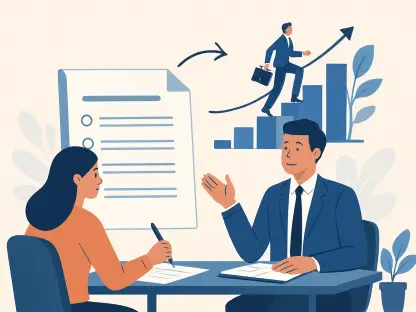
Moreover, effective mobility programs act as a powerful engine for retention and succession planning. Employees are more likely to stay with a company if they see a clear path for growth that does not involve leaving the building. Small adjustments to existing roles to suit the strengths of current team members can prevent “key staff” from feeling overlooked. By prioritizing internal candidates, businesses build a culture of loyalty and continuous learning, ensuring that the most valuable human capital remains within the organization.
What Is the Three-Part Framework for Mapping Talent?
To make internal mobility functional, many successful organizations have adopted a systematic diagnostic process that begins with role identification. This involves a cold, hard look at which positions are actually necessary for the company to function in the current market, rather than just filling seats based on historical charts. Once the essential roles are defined, the focus shifts to skill assessment, where HR identifies the exact competencies required for success in those specific positions.
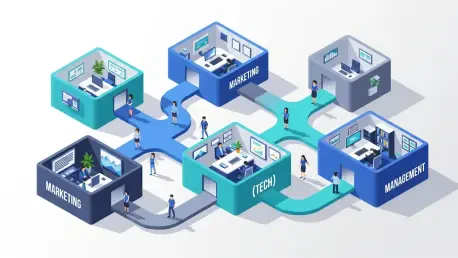
The final and perhaps most innovative stage is adjacency mapping. This technique identifies “adjacent” jobs—roles that share similar skill sets or logic—allowing employees to transition into new areas without starting from scratch. For example, a customer success representative might have the perfect foundational skills for a junior product management role. By identifying these natural overlaps, HR can design targeted reskilling programs that bridge the gap between an employee’s current abilities and their new responsibilities.
What Role Does Technology Play in Facilitating Career Movement?
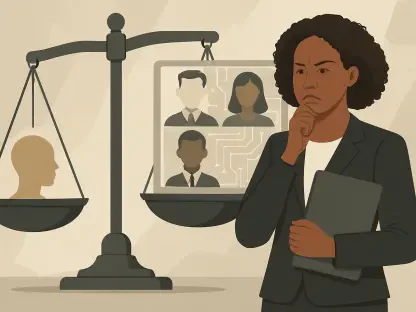
The rise of AI-driven HR technology has revolutionized the way companies detect skill gaps and match employees with new opportunities. These tools can analyze thousands of data points to identify potential internal matches at a scale that was previously impossible for human teams. AI can model career adjacencies and suggest pathways that neither the employee nor their manager might have considered. However, technology is most effective when it is used to augment, not replace, human judgment.
While software can surface data patterns, the movement of high-level talent still relies heavily on nuance, trust, and leadership qualities that only human conversation can evaluate. For mobility to truly take root, it must be integrated into the company’s daily rituals through internal marketplaces and visible career paths. The goal is to transform informal networking into an intentional process where career movement is a normal, expected part of the employee experience, supported by both data and personal mentorship.
How Can Organizations Support Early-Career Talent in an Automated World?
A significant challenge in the current landscape is the “early-career gap,” where automation handles many of the entry-level tasks that traditionally served as a training ground for junior staff. There is a real risk that the next generation of workers will lose the “foothold roles” necessary to gain experience and move up the ladder. Recent data suggests a growing tension where executives feel new hires are unprepared, yet the very roles that would prepare them are being redefined or eliminated by technology.
To address this, HR must design human-centered pathways that ensure junior talent can navigate a workplace mediated by AI. This requires a proactive approach to mentorship and the creation of new types of “junior” roles that focus on managing and auditing automated processes. By intentionally building bridges for early-career workers, companies ensure they are not just solving today’s mobility needs but are also cultivating the leadership pipeline for the coming years.
Summary or Recap
The transition of internal mobility from a peripheral perk to a core business strategy is now complete. Modern HR departments are focusing on constant restructuring, using internal talent to fill skills gaps, and employing sophisticated mapping frameworks to ensure people are in the right roles. While AI provides the data necessary to scale these efforts, the human element of coaching and cultural integration remains the deciding factor in success. Organizations that fail to prioritize these internal pathways risk losing their most valuable assets to competitors who offer more dynamic career growth. For further exploration, professionals should look into the latest trends in workforce ecosystem management and the evolution of talent marketplaces.
Conclusion or Final Thoughts
The workforce landscape underwent a permanent transformation that demanded a departure from old hiring habits. Leaders realized that the most sustainable source of talent was already on their payroll, waiting for the right opportunity to adapt and grow. By investing in internal mobility, companies didn’t just fill empty seats; they built a resilient infrastructure capable of weathering continuous market shifts. Moving forward, the focus should shift toward creating personalized career journeys that align individual aspirations with organizational goals. Every professional should evaluate how their current skills might translate into adjacent roles, as the ability to pivot internally has become the ultimate career insurance. Embracing this mobile mindset is the only way to ensure both personal and organizational longevity in an ever-evolving economy.