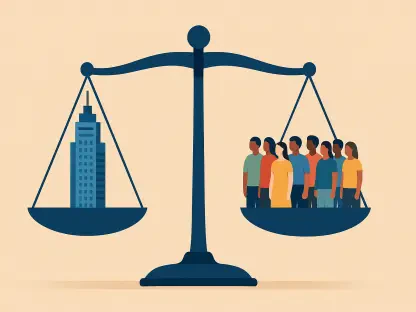

The modern professional landscape has increasingly become a stage where the rhythmic tapping of keys and a glowing green status icon carry more weight than the actual quality of the final project delivered to the client. In the current economic climate of 2026, characterized by low hiring rates and layoff fears, “loud working” has emerged as a vital survival tactic for many. This trend involves prioritizing visible activity over tangible results to secure professional standing within a firm. When the majority of the workforce believes visibility outweighs quiet excellence, the pressure to appear busy becomes an overwhelming distraction from meaningful progress.
The Shift from Output to Visibility in the Modern Workplace
Remote and hybrid models have inadvertently fueled this trend by replacing physical presence with digital proxies like active status icons. Managers often lean on rapid messaging response times as a substitute for true performance oversight, leading many employees to feel a constant need to look occupied. This environment creates a psychological loop where the fear of appearing idle overrides the drive for innovation, resulting in artificial task extension and excessive status updates that provide no real value.
The focus on visibility creates a “productivity theater” that masks actual stagnation. In contrast to meaningful labor, these performative actions satisfy the visual requirements of a supervisor but do little to advance the strategic objectives of the organization. As digital surveillance tools become more sophisticated, workers adapt by ensuring their dashboards reflect constant motion, even if that motion lacks a clear direction or purpose.
Why Prioritizing Substance Over Visibility Is Essential
Rewarding performative behavior creates a hollow foundation that leads to significant employee burnout. When visibility is the primary currency, energy is diverted toward maintaining an image of busyness, which ultimately degrades the quality of work produced. This misplaced focus exhausts the workforce and prevents the high-level concentration necessary for complex problem-solving.
Moreover, shifting the focus back to real productivity improves operational efficiency and long-term retention. A culture rooted in transparency and trust allows employees to dedicate their best mental resources to actual tasks rather than self-promotion. Reducing the overhead of theater ultimately lowers costs and ensures that the most talented contributors remain engaged rather than seeking more authentic environments.
Actionable Strategies to Eliminate Productivity Theater
Moving past loud working requires a systematic change in how management evaluates success. It starts with decoupling personal availability from professional performance. By focusing on the impact of work rather than the hours logged on a platform, organizations can dismantle the incentive structure that encourages superficial activity.
Establish Clear, Outcome-Based Performance Metrics
Success must be defined through tangible goals rather than activity logs. Implementing Key Performance Indicators that prioritize the impact of a project ensures that employees understand exactly what constitutes excellence. This clarity removes the guesswork that often leads to performative habits.
Case Study: Shifting a Tech Team from Activity Logs to Project Milestones
A software development firm successfully reduced the pressure for “active status” by focusing on code quality and meeting project deadlines. By shifting the evaluation criteria to the functionality of the software and the adherence to milestones, the team saw a decrease in stress and an increase in actual deployment efficiency.
Normalize Asynchronous Communication and Deep Work
Organizations should explicitly state that constant connectivity is not required for career growth. Setting clear boundaries for response times on digital platforms allows employees to engage in deep, focused work without the fear of being seen as “offline.” This change promotes a healthier work-life balance and better intellectual output.
Case Study: Improving Hybrid Team Morale Through Focus Hours
A marketing agency improved hybrid team morale by implementing mandatory focus hours where all messaging applications were turned off. This move eliminated the constant need for status updates and allowed the creative staff to produce higher-quality campaigns in less time.
Utilize Intentional Recognition for Quiet Contributors
Managers should use one-on-one meetings to identify high-quality output that occurs behind the scenes. This ensures that efficient workers who avoid self-promotion are still appropriately rewarded for their contributions. Leaders must look for results that do not always appear on digital dashboards.
Case Study: Identifying Top Performers Through Value-Based Audits
An HR department restructured its bonus program to specifically reward problem-solving instead of social visibility. By conducting value-based audits of actual contributions, the department identified top performers who had previously been overlooked because they worked quietly and efficiently.
Final Evaluation: Cultivating an Authentic Work Culture
Organizations discovered that productivity flourished when the necessity for constant visibility was replaced by a focus on meaningful results. Leaders successfully balanced communication requirements with the psychological need for deep work by establishing outcome-based expectations from the outset. This results-only transition ensured long-term sustainability by prioritizing substance over performative gestures. The move toward authenticity empowered teams to innovate without the burden of constant digital surveillance, offering a sustainable path for future growth.