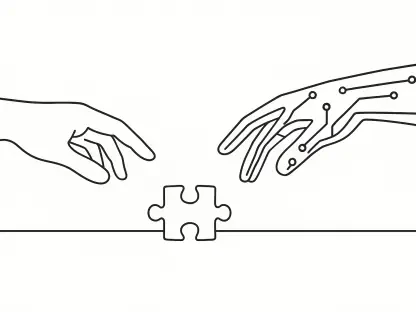

A disconnect exists in Australian workplaces where only fifteen percent of employees believe their employers are actively investing in necessary career advancement skills. This striking statistic, found in the ADP Research Institute’s “People at Work 2026 Report,” highlights a broader global challenge as five distinct generations now navigate the same professional landscape simultaneously. The coexistence of such a wide demographic range introduces significant complexities regarding skill acquisition, financial expectations, and job stability. While organizations frequently attempt to apply a uniform management style, the current environment demands a more nuanced, data-driven approach that respects the unique professional life cycles of each age group. To maintain a competitive edge in 2026, companies must transform their internal structures into people-centric ecosystems that bridge these generational divides. By addressing specific anxieties and leveraging diverse strengths, leaders can synthesize a cohesive workforce that values both modern innovation and the seasoned resilience of older professionals.
Navigating Career Growth and Skill Disparities
Analyzing Professional Optimism and Technical Readiness
The current global workforce displays a notable disparity in how different generations perceive their future prospects and current capabilities. Workers within the twenty-seven to thirty-nine age bracket have emerged as the most optimistic, with approximately thirty percent expressing confidence that they possess the necessary skills to advance their careers over the next three years. This demographic, often referred to as established Millennials, appears to have found a balance between early-career technical agility and the mid-career experience required to navigate corporate structures. In contrast, the youngest segment of the workforce, those between eighteen and twenty-six years of age, reports significantly higher levels of anxiety regarding job mobility. Despite being digital natives, thirteen percent of these younger employees in various regions have noted that transitioning to new roles has become increasingly difficult over the past year. This vulnerability suggests that while they are eager to adapt to new technologies, they remain more susceptible to shifting market demands.
Addressing the Career Development Gap
Building on these concerns, a widespread lack of support for specialized training has created a tension that threatens organizational productivity. Many employees feel that management has failed to keep pace with the rapid evolution of work tasks, particularly as generative artificial intelligence continues to automate routine functions. The disconnect is particularly evident when comparing the workforce’s appetite for growth with the resources actually provided by employers. Rather than providing broad, one-size-fits-all training modules, successful organizations in 2026 have begun to implement tailored upskilling initiatives that target specific career stages. For younger workers, this means providing clear pathways for technical advancement and leadership training. For those in more advanced stages of their careers, development focuses on integration skills and strategic oversight. Moving toward a model of precision in professional development is no longer optional; it is a foundational requirement for retaining a motivated staff and ensuring that the entire organization remains resilient against technological disruption.
Balancing Financial Security and Strategic Strengths
Addressing the Financial Health Gap and Organizational Stability
A startling financial health gap has appeared in recent research, revealing that career longevity does not always result in financial peace of mind. Data shows that only ten percent of workers aged fifty-five to sixty-four report feeling strongly positive about their financial health, which is nearly half the rate seen in younger cohorts. This inverse relationship between age and financial confidence is largely driven by the compounding pressures of inflation and the rising cost of living, which become more acute as retirement draws near. This financial stress is not just a personal issue; it significantly impacts workplace performance and retention. Employers who ignore the financial wellness of their veteran staff risk losing the very people who serve as the organizational ballast. Older workers provide a crucial foundation of stability and emotional maturity, often reporting much lower levels of negative stress compared to their younger counterparts. Recognizing this paradox allows companies to offer targeted support that protects the welfare of their most experienced employees.
Integrating Generational Resilience and Technical Agility
Strategic success now depends on the ability of a company to blend the innovative drive of younger staff with the resilient experience of older workers. While younger employees often lead the charge in adopting future-ready skills, older professionals maintain levels of engagement and meaning in their work that provide a steadying influence during periods of corporate transition. By establishing formal mentorship programs that promote bidirectional knowledge sharing, organizations have successfully paired the technical agility of Gen Z with the industry history and leadership of Baby Boomers. This design ensures that the strengths of one generation naturally mitigate the weaknesses of another, creating a high-performing ecosystem that is greater than the sum of its parts. Management teams that restructured their departments to encourage this intergenerational synergy found that it reduced turnover and increased overall employee satisfaction. Embracing this demographic diversity as a strategic asset, rather than a management hurdle, is what defined the most successful global businesses throughout the current year.
Strategic Integration for Workforce Success
The findings from the latest industry research indicated that a five-generation workforce performed best when management abandoned generic strategies in favor of precision-based engagement. Successful leaders implemented payroll analytics to ensure fair compensation across all age groups, which served as the primary foundation for building trust. The analysis further demonstrated that companies benefited most when they structured teams to pair technical experts with seasoned mentors, effectively bridging the skills gap while fostering emotional resilience. Organizations that actively addressed the financial anxieties of their older staff through comprehensive wellness programs saw a marked increase in retention and organizational stability. These companies moved beyond simple recruitment to focus on the long-term professional journey of every individual, regardless of their age. By viewing age diversity as a tool for innovation rather than a source of conflict, these organizations prepared themselves for the continued shifts in the global economy. Moving forward, the most effective path involves maintaining this commitment to data-driven, intergenerationally connected strategies that support every stage of the employee lifecycle.