
Imagine a world where frontline workers—nurses, retail associates, and hospitality staff who form the backbone of essential industries—feel empowered rather than exhausted, connected instead of isolated. In today’s fast-paced economy, with burnout and turnover plaguing nearly three-quarters of these vital employees, mobile workforce solutions have emerged as a game-changer. These technologies promise to bridge the gap between operational challenges and strategic HR goals, transforming how industries manage their most critical asset: their people. This review dives deep into the evolution, features, and real-world impact of these tools, exploring how they address the urgent needs of a workforce often overlooked.
Understanding Mobile Workforce Solutions
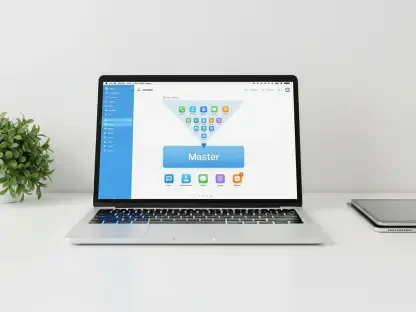
Mobile workforce solutions represent a pivotal shift in HR technology, designed specifically to support remote and frontline employees through innovative tools. At their core, these platforms focus on enhancing communication, streamlining scheduling, and boosting engagement for workers who are often on the move or stationed away from traditional office settings. By leveraging mobile apps and cloud-based systems, they enable real-time updates and foster a sense of inclusion, addressing the unique challenges faced by dispersed teams in dynamic environments.
Their significance cannot be overstated, especially in sectors like healthcare, retail, and hospitality, where frontline workers make up a substantial portion of the labor force. These industries rely heavily on operational efficiency, and mobile solutions help close the gap between day-to-day tasks and long-term strategic objectives. For instance, providing instant access to resources or updates ensures that a nurse in a bustling hospital or a cashier during a holiday rush remains aligned with organizational goals, ultimately enhancing service delivery.
Core Features of Mobile Workforce Solutions
Mobile-Friendly Learning Platforms
One of the standout features of mobile workforce solutions is the integration of mobile-friendly learning platforms. These tools are crafted to deliver accessible training and development opportunities directly to frontline workers’ devices, eliminating the need for in-person sessions that often disrupt tight schedules. Whether it’s a quick tutorial on new protocols or a module for skill enhancement, the ability to learn on the go empowers employees to upskill at their own pace.
Beyond accessibility, these platforms have proven effective in accelerating skill acquisition. Data suggests that workers using mobile training tools show improved performance metrics, as bite-sized learning fits seamlessly into their daily routines. This not only boosts individual confidence but also fuels career growth, signaling to employees that their development matters to the organization—a critical factor in retention.
Automated Scheduling and On-Demand Pay Systems
Equally transformative are automated scheduling tools and on-demand pay systems, which tackle some of the most persistent pain points for frontline staff. Scheduling tools use algorithms to optimize shifts, factoring in worker availability and business needs, thus slashing the administrative burden on managers. This precision reduces conflicts and last-minute scrambles, creating a smoother operational flow.
On-demand pay systems, meanwhile, allow workers to access earned wages before traditional pay cycles, offering financial flexibility that can alleviate stress. Real-world feedback from retail and hospitality sectors highlights how these features improve satisfaction, with many employees citing reduced financial anxiety as a key benefit. Together, these innovations foster a workplace where employees feel valued, directly impacting retention rates in high-turnover industries.
Latest Trends in Mobile Workforce Technology
The landscape of mobile workforce technology is evolving rapidly, with artificial intelligence (AI) leading the charge by automating repetitive tasks like data entry or shift adjustments. This frees up managers to focus on strategic priorities, such as employee engagement, while ensuring operational accuracy. AI-driven insights also help predict staffing needs, a boon for industries facing unpredictable demand.
Moreover, a mobile-first HR strategy is gaining traction, prioritizing platforms designed specifically for smartphone access. This trend aligns with a broader industry shift toward valuing frontline worker well-being, evident in features like mental health resources integrated into apps. As companies recognize the competitive edge of a supported workforce, technology continues to adapt, promising even deeper personalization in the coming years from 2025 onward.
Real-World Applications of Mobile Workforce Solutions
In practice, mobile workforce solutions are revolutionizing industries with high frontline presence. In healthcare, for example, nurses and support staff use these tools to receive real-time shift updates and access critical training, streamlining hospital operations. Similarly, in hospitality, hotels deploy automated scheduling to manage seasonal staffing spikes, ensuring guest experiences remain top-notch.
Unique applications also shine through in retail, where large chains have integrated human capital management (HCM) systems to connect dispersed teams to company culture. Mobile platforms facilitate peer recognition and feedback loops, fostering a sense of belonging despite physical distance. These implementations highlight how technology can turn operational necessities into opportunities for meaningful employee engagement.
Challenges and Limitations in Adoption
Despite their potential, mobile workforce solutions face significant hurdles in widespread adoption. Technical challenges, such as integrating with legacy HR systems, often slow implementation, as many organizations grapple with incompatible infrastructure. Additionally, data privacy concerns loom large, with regulatory scrutiny intensifying around how employee information is stored and accessed on mobile platforms.
Resistance to change within traditional HR practices poses another barrier, as some leaders hesitate to overhaul established workflows. However, ongoing development efforts are addressing these issues through user-friendly designs and robust security protocols. Enhanced encryption and intuitive interfaces aim to build trust, paving the way for broader acceptance across skeptical sectors.
Future Outlook for Mobile Workforce Solutions
Looking ahead, mobile workforce solutions are poised for remarkable growth, particularly with advancements in AI and machine learning. These technologies promise to personalize employee experiences further, tailoring training or scheduling to individual preferences and performance patterns. Such customization could redefine how frontline workers interact with their roles.
Potential breakthroughs, like predictive analytics to prevent turnover, also hold immense promise. By analyzing engagement data, these tools could alert managers to at-risk employees, enabling proactive interventions. Over the long term, the impact on workforce management could be profound, driving organizational success by prioritizing the human element in industries long focused on operational metrics.
Closing Thoughts
Reflecting on this exploration, mobile workforce solutions stood as a beacon of innovation in tackling the entrenched challenges of frontline burnout and turnover. Their ability to enhance communication, streamline operations, and prioritize employee well-being marked a turning point for HR strategies. As industries grappled with retention and engagement, the actionable next step was clear: invest in scalable, secure platforms that adapt to evolving needs. Beyond immediate fixes, the focus shifted toward fostering a culture where technology amplified human potential, ensuring that frontline workers remained not just supported, but celebrated as the heartbeat of business success.