
As automation accelerates and algorithms perform an increasing number of routine tasks, the single most critical human skill that will define professional success is not technical prowess, but the capacity for strategic anticipation. The integration of artificial intelligence into human resources is rapidly moving beyond simple task automation, fundamentally reshaping the strategic value and required competencies of HR professionals. This analysis will define the emerging concept of “adaptive foresight,” showcase real-world AI applications from leading HR technology companies, and project the future trajectory of AI’s influential role in human capital management.
The Dawn of a New HR Paradigm
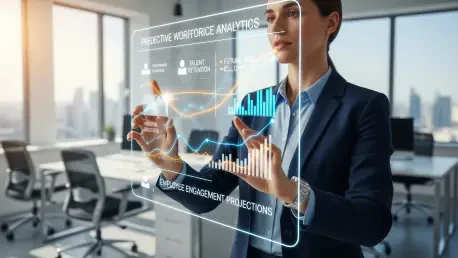
The ground is shifting beneath the HR profession as artificial intelligence becomes a standard component of the corporate toolkit. This technological wave is not merely an upgrade to existing systems; it represents a fundamental change in how human resources functions, moving the discipline from a support role to a strategic driver of business outcomes. The focus is now on leveraging AI to unlock predictive insights and foster a more agile, forward-thinking workforce.
The Accelerating Adoption of AI in the Workplace
According to the talent intelligence platform SHL, the rapid integration of AI is accelerating the pace of work itself, shifting the core of human value from reactive problem-solving to proactive, strategic foresight. As machines handle the “what is,” the most valuable human contributions will focus on the “what if.” This evolution is creating an urgent demand for a new essential skill: adaptive foresight, the ability to anticipate future changes, identify emerging patterns, and act preemptively to capitalize on opportunities or mitigate risks.
This trend toward widespread adoption is further evidenced by the formalization of AI standards within the industry. The achievement of certifications like ISO/IEC 42001, the first international standard for AI Management Systems, by platforms such as Cornerstone Galaxy, signifies a critical move toward standardized and trusted AI. Such benchmarks provide enterprises with the confidence to deploy these powerful tools at scale, signaling that AI in HR is no longer an experiment but a mature and governed business function.
AI Integration in Action Real World Examples
Leading HR technology firms are already demonstrating the practical application of this trend. Paycom, for instance, is actively promoting its command-driven AI engine, “IWant,” through a major advertising campaign. This initiative indicates a clear push to make sophisticated AI tools accessible and user-friendly, empowering employees and managers to handle everyday HR tasks through simple, natural language commands and democratizing access to powerful data analytics.
Simultaneously, the industry is establishing benchmarks for responsible and effective AI deployment. Cornerstone OnDemand’s AI platform, Cornerstone Galaxy, has received the first international standard for AI Management Systems, setting a new precedent for trust and accountability in talent management technologies. This development ensures that as AI becomes more integrated, its application remains ethical, transparent, and aligned with organizational governance.
The influence of AI is also expanding beyond traditional administrative and talent functions into more holistic aspects of the employee experience. Corporate wellness platform Wellhub announced the launch of Wellhub AI as a core strategic initiative, demonstrating AI’s growing role in enhancing employee well-being and engagement. This expansion shows that AI is being leveraged not just for efficiency, but to create a more personalized and supportive work environment.
Expert Insight The Human Machine Partnership
The rise of AI in HR does not herald the obsolescence of human expertise; rather, it signals the beginning of a powerful new partnership. Sara Gutierrez, Chief Science Officer at SHL, defines adaptive foresight as a blend of uniquely human judgment and sophisticated machine-driven insight. This skill is not about out-competing algorithms but about leveraging them to elevate strategic thinking.
Gutierrez emphasizes that this new competency centers on crucial human abilities that AI complements but cannot replicate. These include recognizing subtle patterns that data alone might miss, identifying overlooked risks in complex scenarios, and connecting disparate signals across technology, teams, and market trends. It is this human capacity for synthesis and contextual understanding that turns raw data into actionable intelligence. This perspective reinforces that the future of HR is not a choice between humans or machines, but about augmenting human capabilities to make smarter, more forward-thinking decisions that drive organizational success.
Projecting the Future Challenges and Opportunities
Looking ahead, the integration of AI is set to become even deeper and more pervasive. Expect more sophisticated applications of generative and predictive AI across the entire employee lifecycle, from hyper-personalized recruitment and onboarding experiences to dynamic performance management and data-driven succession planning. Organizations that successfully foster a culture of adaptive foresight among their HR teams will gain a significant competitive advantage, benefiting from enhanced agility, superior risk management, and more innovative and resilient workforce strategies.
However, this transition presents a significant challenge: upskilling the existing HR workforce. A potential skills gap looms for professionals who are not equipped to develop adaptive foresight and collaborate effectively with advanced AI tools. This trend will force a complete rethinking of how work is performed, requiring leaders to challenge long-held assumptions about roles and processes. Success will depend on a commitment to continuous learning and a willingness to experiment with new operational models that place human-machine collaboration at their core.
Conclusion Preparing for an AI Powered Future
The integration of artificial intelligence within human resources has become an undeniable and transformative force. This shift is driving a fundamental evolution of the HR function toward more proactive and strategic responsibilities, creating an urgent demand for new competencies like adaptive foresight. For HR leaders and professionals, embracing AI is no longer a matter of choice but a critical necessity for organizational survival and growth. To thrive in this new landscape, HR professionals must actively cultivate their ability to anticipate change, leverage AI as a strategic partner, and confidently lead their organizations by looking ahead, not just trying to keep up.