
The very artificial intelligence designed to streamline workflows and boost productivity is inadvertently creating a critical deficit in the one asset it cannot replicate: human judgment and insightful critical thinking. This paradox lies at the heart of a significant shift in the modern workplace. As AI becomes more powerful, uniquely human skills are becoming more, not less, valuable. However, a concerning phenomenon known as the “skills collapse” is emerging, where AI automates the very entry-level and administrative tasks that have traditionally served as foundational learning experiences for new employees. This analysis will explore this trend, examine the consensus among industry leaders, and detail PwC’s proactive strategy for cultivating critical human skills as a model for navigating this new landscape.
The Widening Gap AI’s Impact on Skill Development
The Data Behind the Disruption
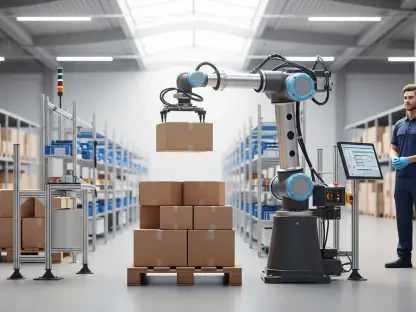
The rapid integration of AI into daily operations is no longer a forecast but a reality. Across industries, automation is systematically absorbing routine and administrative tasks that once occupied a significant portion of an entry-level employee’s day. Data processing, initial report generation, and scheduling are now frequently handled by intelligent systems, freeing up human workers for higher-value activities. While this shift promises unprecedented efficiency, it simultaneously removes the training ground where essential professional skills were once forged.
Reports from professional networks and global consulting firms alike underscore this dramatic change in skill valuation. Analysis from sources like LinkedIn consistently shows a decline in the long-term value of certain technical skills, which are susceptible to automation, alongside a sharp rise in demand for enduring “human skills.” Creative problem-solving, emotional intelligence, and complex communication are now topping the list of desired attributes. This trend highlights a workforce in transition, where the ability to think, reason, and connect is becoming the primary differentiator.
Consequently, the automation of this foundational work eliminates the organic opportunities employees once had to learn through direct experience. The trial-and-error process of drafting a report, the problem-solving required to reconcile conflicting data, and the simple hands-on engagement with core business processes were all inadvertent yet crucial learning moments. Without these experiences, a generation of workers risks entering more complex roles without the seasoned judgment and intuitive understanding that such foundational work once provided.
A Case Study in Proactive Skill-Building The PwC Playbook
In response to this challenge, organizations like PwC are developing comprehensive strategies to actively counteract the skills collapse. Rather than letting skill development happen by chance, this approach is deliberate and integrated, treating human capabilities as a core business asset that requires dedicated cultivation. PwC’s playbook serves as a real-world example of how a company can build a resilient workforce prepared for a future of human-AI collaboration.
The cornerstone of this strategy is a simple yet powerful practice called “The Pause.” Employees are encouraged to deliberately stop and reflect before accepting AI-generated output. This intentional moment is designed to foster critical thinking, prompting questions about the data’s source, potential biases, and the logic behind the AI’s conclusion. By embedding this habit, the company ensures that efficiency does not come at the cost of accuracy or thoughtful decision-making, turning a potential pitfall of AI into a routine opportunity for skill-building.
This philosophy extends far beyond a single practice. It is woven into the company culture through immersive “AI + Human Skills” training for new hires, which uses real-world client scenarios to build confidence and competence from day one. This initial training is supported by ongoing learning pathways and a robust apprenticeship model that ensures essential knowledge is transferred even when the tasks themselves are automated. The strategy relies heavily on leadership to model this behavior, creating a ripple effect where reflective judgment becomes a shared value.
Expert Consensus The Imperative for Intentional Development
A strong consensus is forming among HR leaders that AI’s proliferation is an amplifier, not a replacement, for human talent. Insights from executives at Vialto Partners, LinkedIn, and PwC reveal a shared understanding that as technology handles the “what,” the human role of determining the “why” and “how” becomes paramount. They stress that capabilities like curiosity, empathy, and strategic thinking are moving from “soft skills” to essential components of business success.
Yolanda Seals-Coffield, PwC’s Chief People and Inclusion Officer, emphasizes the significant risk organizations face if they fail to act. The passive assumption that critical human skills will develop on their own in an environment devoid of traditional learning opportunities is a dangerous one. Without intentional intervention, companies may find themselves with a workforce that is proficient in overseeing automated systems but lacks the deep-seated judgment required to navigate ambiguity, innovate, and lead effectively.
The core problem identified by these experts is the erosion of the natural learning ecosystem. The automation of repetitive work, while beneficial for productivity, strips away the environment where employees historically learned to exercise judgment, ask insightful questions, and solve complex problems through iteration. This removal of the “learning by doing” element of foundational work necessitates a new, more structured approach to cultivating these indispensable human skills.
The Future Workforce Redefining Learning and Leadership
Looking ahead, it is likely that intentional skill-building practices will become a standard component of responsible AI integration. Methodologies like “The Pause” may evolve from a novel strategy into an industry best practice, recognized as essential for mitigating the risks of over-reliance on automated systems and for empowering employees to act as true partners to technology.
The long-term benefits for organizations that embrace this proactive approach are substantial. Fostering a culture of critical inquiry enhances employee confidence, leading to better and more defensible decision-making. Moreover, a workforce skilled in judgment and creative problem-solving is inherently more resilient, adaptable, and innovative, providing a distinct competitive edge in a rapidly changing market.
However, this transition presents considerable challenges. It demands a significant cultural shift away from a pure focus on speed and efficiency toward a more balanced appreciation for reflection and deliberation. This requires investment in new training paradigms and, most importantly, a steadfast commitment from leadership. Leaders must not only endorse these practices but actively model them, coaching their teams to question, reflect, and apply their unique human insight.
The divergence in outcomes is clear. Companies that fail to address the emerging skills gap risk operational stagnation and a decline in innovation, becoming overly dependent on the limitations of their technological tools. In contrast, organizations that proactively invest in cultivating human insight will unlock a powerful synergy, leveraging AI for efficiency while relying on their people for the strategic vision and creativity that drive true growth.
Conclusion Forging a Human-Centered Future with AI
The analysis showed that AI’s rapid automation of foundational work created a critical skills gap, prompting forward-thinking organizations to respond with deliberate, human-centric strategies. The prevailing trend was not to halt technological progress but to reshape professional development around it, ensuring that human capabilities remained central to value creation.
Ultimately, the most powerful application of AI was understood not as a replacement for human intellect but as a potent partner to it. The journey toward this collaborative future required a fundamental rethinking of how skills were acquired and valued within an organization.
This movement solidified the understanding that a leader’s most crucial role was to invest in cultivating curiosity, judgment, and critical thinking. By doing so, they ensured that in an age defined by artificial intelligence, human insight remained their most valuable and sustainable asset.