
Metro Vancouver’s public transit system serves as the vital circulatory system for a rapidly growing region, and its health is directly linked to the daily lives of millions who depend on it for work, school, and recreation. Recognizing this critical role, TransLink has unveiled its comprehensive five-year Customer Experience Action Plan, a forward-thinking strategy set to unfold through 2030, designed to fundamentally reshape the rider’s journey. This ambitious roadmap consists of approximately three dozen distinct initiatives aimed at making the network more reliable, intuitive, secure, and comfortable for every passenger. Building upon the groundwork laid by a similar plan in 2019, this new strategy adopts a deeply customer-centric philosophy. It moves beyond simple operational metrics to address the holistic experience of transit use, synthesizing immediate, tangible upgrades with foundational, long-term investments in infrastructure and technology. The plan’s core objective is to create a seamless, stress-free, and consistently positive experience that solidifies public transit as the preferred mode of transportation in the region.
Elevating the On-the-Go Environment
Enhancing Comfort and Convenience
A significant focus of the new plan is the transformation of transit hubs from mere points of transit into more accommodating and functional public spaces. This involves a continued rollout of passenger-focused amenities designed to make waiting and transferring a more pleasant and productive experience. Riders can expect to see more vending machines, device-charging stations, and secure battery lockers appearing at major SkyTrain stations and bus exchanges, addressing common needs of the modern commuter. Perhaps one of the most anticipated initiatives is the installation of new public washrooms, a long-requested feature that will dramatically improve convenience. The first of these new facilities is slated to open at the busy Metrotown Station in 2025, setting a new standard for rider care. Furthermore, a renewed emphasis on cleanliness will be supported by technology; a successful text message reporting hotline, which allows passengers to quickly report spills or maintenance issues, will be expanded to cover more SkyTrain stations and key bus exchanges, enabling a more rapid and targeted response from cleaning crews.
These upgrades represent a strategic investment in the quality of the passenger’s time. By providing amenities that allow riders to charge a phone, grab a snack, or simply have access to a clean restroom, the transit authority is acknowledging that the journey involves more than just the time spent on a bus or train. This approach aims to reduce the inherent stress of commuting and make the transit system a more attractive and viable alternative to private vehicles. The goal is to create an environment where the time spent within the transit network feels less like a necessary inconvenience and more like a seamless part of the day. This commitment to enhancing the physical environment is a crucial component of the broader strategy to boost ridership and improve overall satisfaction by directly addressing the practical, everyday needs of the people who rely on the system. These improvements are designed to foster a sense of care and make the public transit experience more welcoming for everyone, from daily commuters to occasional riders and tourists.
Bolstering Safety and Security Measures
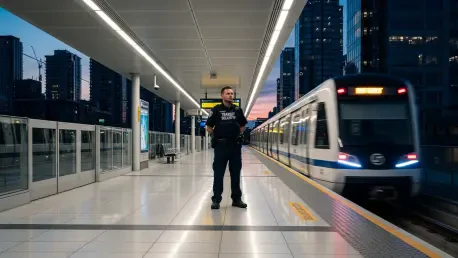
Central to improving the overall rider experience is the assurance of a safe and secure environment across the entire network. The action plan addresses this through a multi-pronged strategy that combines increased personnel presence with intelligent environmental design. TransLink is committed to making its security teams more visible and accessible to the public, with plans to increase the number of Transit Security and Transit Police officers on patrol throughout the system. This will be complemented by the expansion of dedicated Transit Police offices at key locations, creating permanent security hubs that enhance response times and serve as a clear deterrent. Alongside this increased presence, the authority will launch enhanced safety and passenger etiquette campaigns to foster a culture of mutual respect and awareness among riders. These initiatives will be reinforced by stronger fare-payment compliance measures to ensure fairness and order. A key innovation in this area is the planned use of Crime Prevention Through Environmental Design (CPTED) audits to proactively identify and rectify environmental factors in stations that may contribute to feelings of insecurity.
The implementation of CPTED principles marks a shift from a reactive to a proactive security posture. Rather than simply responding to incidents, this approach seeks to design them out of the system from the start. Audits will assess elements like lighting, sightlines, station layouts, and access points to identify areas that could be improved to discourage criminal activity and antisocial behavior. By creating open, well-lit spaces with clear lines of sight, the system can inherently feel safer and more comfortable, particularly for those traveling during off-peak hours or in less familiar areas. This focus on environmental design, combined with a more visible and approachable security force, aims to build passenger confidence and trust. The objective is to create a transit network where every rider feels secure and respected from the moment they enter a station to the moment they reach their destination, making safety a foundational, non-negotiable element of the public transit experience.
Modernizing the Technological and Operational Backbone
A Digital Revolution in Transit Information
The plan outlines a major technological leap forward, focusing on providing passengers with more accurate, timely, and accessible information to streamline their journeys. A comprehensive overhaul of digital platforms is underway, which includes significant improvements to real-time alerts, web-based journey planners, and mobile applications. To support this, new hardware and software will be deployed to enhance the accuracy of transit prediction systems like NextBus, reducing uncertainty and allowing riders to plan with greater confidence. The centerpiece of this digital transformation is a planned overhaul of the Compass fare payment system, a massive project with an estimated cost exceeding $500 million. This next-generation system will feature new, more reliable fare gates and introduce a wider array of payment options to enhance convenience. The upgrade opens the door to potential future innovations such as a more equitable distance-based pricing model, the integration of digital Compass Cards directly into smartphone wallets, and the development of a new, all-in-one payment and planning application.
This modernization effort extends beyond digital interfaces to include physical infrastructure as well. While advanced digital tools are critical, the plan acknowledges the enduring importance of clear and consistent physical signage for navigation. A system-wide effort will be made to improve and standardize wayfinding signage across all modes of transit, including SkyTrain stations, bus exchanges, and SeaBus terminals. This dual approach ensures that the network is accessible and easy to navigate for everyone, regardless of their familiarity with technology. By creating a cohesive information ecosystem that seamlessly blends digital tools with clear physical cues, TransLink aims to remove barriers and reduce the cognitive load on passengers. The ultimate vision is a system where planning a trip, paying a fare, and navigating the network is an intuitive and frictionless process, empowering riders with the information they need at every step of their journey.
Strengthening Infrastructure and Service Reliability
At the core of a positive customer experience is a service that is fundamentally reliable. The action plan dedicates substantial resources to bolstering the operational robustness of the entire network. New procedures are being developed to manage major service disruptions more effectively, ensuring that when issues do arise, communication is swift and alternative travel options are clearly provided. For the bus network, service reliability will be enhanced through the expansion of bus-priority measures, such as dedicated lanes and queue-jumper lanes, which help vehicles bypass traffic congestion. This will be paired with the deployment of new monitoring technology designed to preemptively identify potential vehicle breakdowns before they occur, reducing unexpected service interruptions. A study scheduled for 2026-2027 will further explore the potential of advanced transit signal priority technologies to give buses more green lights along their routes. In parallel, major refurbishment projects for the Canada Line trains and West Coast Express vehicles, along with significant upgrades to SeaBus terminals, will modernize key assets and extend their operational life.
These immediate operational enhancements are supported by a foundation of larger, ongoing capital projects that will define the future of the region’s transit. The reliability improvements are intrinsically linked to major system expansions, including the extensions of the SkyTrain network and the introduction of new Bus Rapid Transit (BRT) lines. The customer experience will also be directly improved by the arrival of the next-generation Mark V SkyTrain cars and a new, modern bus fleet. Underpinning all of this is the construction of a new, state-of-the-art $330-million SkyTrain control center, which came online in 2026. This critical piece of infrastructure is the brain of the automated rail network, providing the advanced capabilities needed to improve service reliability on the existing system while seamlessly supporting its future growth and complexity. Together, these infrastructure investments create a powerful synergy, ensuring the network is not only better today but also ready for the demands of tomorrow.
A Cohesive Vision for Future Mobility
The comprehensive action plan laid out by TransLink represented a significant evolution in its approach to public transportation. It marked a deliberate shift from a focus centered primarily on logistics and operations to one that embraced the entire human experience of mobility. The dozens of initiatives, ranging from the installation of a public washroom to the construction of a new control center, were not viewed as isolated projects but as interconnected elements of a single, cohesive strategy. This strategy recognized that a rider’s decision to use transit was influenced by a complex web of factors, including safety, comfort, convenience, and reliability. By addressing all these facets in a coordinated manner, the plan aimed to do more than just improve a service; it sought to fundamentally enhance the quality of urban life in Metro Vancouver. The ultimate success of this ambitious five-year vision was measured by how effectively these varied upgrades integrated into a seamless, positive, and intuitive journey for every passenger, solidifying public transit’s role as the backbone of a connected and sustainable region.