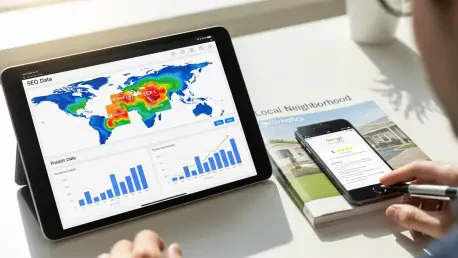

Achieving dominance in modern local search environments requires more than just possessing a physical storefront or an optimized Google Business Profile; it demands a sophisticated alignment of technical infrastructure, geographic relevance, and user intent. In the current landscape of 2026, the traditional methods of simply inserting a city name into a meta tag have been superseded by sophisticated algorithms that prioritize actual user experience and hyper-local authority. Businesses that fail to adapt to these shifts find their visibility diminishing as specialized local competitors and AI-driven answer engines become more discerning about which entities represent the best solution for a consumer. Success today is measured not just by traffic, but by the precision of that traffic—connecting with a motivated searcher at the exact moment they require a service or product within a specific neighborhood.
Establishing a dominant local presence involves a multi-layered approach that addresses everything from technical crawlability to the psychological cues of local trust. When a potential customer searches for a nearby service, they are often looking for immediate confirmation that a business understands their specific regional context, whether that involves local regulations, neighborhood-specific pricing, or travel proximity. By analyzing successful case studies across diverse industries, from healthcare in major metropolitan hubs to industrial services in international trade zones, clear patterns emerge regarding which strategies drive measurable revenue. This exploration provides a comprehensive look at how organizations are currently engineering their digital footprints to capture regional demand while maintaining a clean, authoritative site structure that search engines reward with high-ranking placements.
1. Focus Location Pages on User Requirements
Modern local landing pages must move beyond generic templates to address the highly specific concerns of local visitors, particularly in high-stakes industries like healthcare. A medical clinic in a major city, for instance, achieves significantly higher engagement when its location pages explain the exact patient journey, from parking availability to the specific types of insurance accepted at that particular branch. Instead of repeating identical service descriptions across multiple pages, the most effective strategy involves integrating location-specific FAQs and highlighting the unique expertise available at that specific site. This approach ensures that both users and search engines perceive the page as a dedicated resource rather than a low-effort duplicate designed solely for ranking purposes.
Strengthening the internal linking architecture is equally vital, as it allows search engines to understand the relationship between a central brand and its regional outposts. By connecting location-specific landing pages to relevant blog posts, service details, and the Google Business Profile, a cohesive network of authority is established. Furthermore, synchronizing website content with regional indicators—such as local landmarks, neighborhood names, and community-specific trust signals—reinforces the entity’s relevance to the area. This tactical alignment ensures that when a searcher enters a query with local intent, the business presents a unified front of credibility that directly answers the user’s underlying requirements.
2. End Internal Keyword Competition and Define Page Goals
Internal keyword competition, or cannibalization, frequently occurs when multiple pages on a single website target the same localized search terms, essentially forcing the site to compete against itself. A restaurant group with locations in both Manhattan and Brooklyn might find its homepage and individual location pages vying for the same “fine dining” keywords, which dilutes the authority of both. To resolve this, each page must be assigned a distinct topical focus; the homepage should represent the brand’s overarching identity, while location pages target borough-specific or neighborhood-specific intent. This clarity allows search engines to correctly index and rank the most relevant page for a user’s specific geographic query.
Beyond content separation, technical integrity is a prerequisite for ensuring these pages actually appear in search results. Identifying and resolving crawl errors or indexation bugs prevents high-quality pages from being ignored by search engines. Once the technical foundation is secure, the focus shifts to enhancing digital business profiles with high-quality media, accurate categories, and consistent operational details. This combination of structural clarity and rich media not only improves rankings but also provides the necessary information for a potential customer to choose one location over another. Eliminating internal friction allows the brand’s collective authority to support each individual branch more effectively.
3. Create Specific Neighborhood Guides with Original Information
Developing hyper-local guides for individual suburbs or neighborhoods remains one of the most consistent ways to drive targeted traffic to a service-based business. By placing both the service type and the specific neighborhood name in the # headers, metadata, and URL strings, a business sends a clear signal of relevance to local searchers. This strategy works best when the content is truly unique; rather than using a “spin” tool to swap city names, companies should include details about the local architecture, regional climate challenges, or community-specific regulations. These details prove to search engines that the business is genuinely active within those specific geographic boundaries.
To ensure these guides are easily discovered by both users and search crawlers, they should be organized under a central “service areas” directory or hub. This centralized structure prevents the site from becoming a disorganized collection of thin pages and instead presents a comprehensive atlas of the brand’s regional reach. Linking all neighborhood guides back to this directory provides a logical path for search bots to follow, ensuring that new pages are indexed quickly. When a homeowner in a specific coastal suburb searches for a “home builder,” a dedicated page that mentions local shoreline building codes will naturally outrank a generic city-wide page that lacks that specialized regional context.
4. Fix Technical Basics Before Growing Localized Material
Attempting to scale a local content strategy on a broken technical foundation is a common mistake that often leads to stagnant rankings and wasted resources. Before launching a series of new city-level landing pages, it is imperative to conduct a thorough technical audit to resolve broken internal links, redirect loops, and overlapping keyword targets. If a website is suffering from deep-seated crawl issues, search engines may never even discover the new localized material, regardless of its quality. By consolidating duplicate pages and implementing proper canonical tags, a business ensures that its “link juice” is concentrated on the pages that actually drive conversions and inquiries.
Once the technical basics are repaired, the organization can safely develop specific landing pages for surrounding municipalities using unique local data and schema markup. These pages should be supported by a robust network of local references and directory listings, which serve as third-party verification of the business’s physical presence. Establishing NAP (Name, Address, Phone) consistency across the web builds regional trust with search algorithms, confirming that the business is a legitimate entity. This two-step process—fixing the core infrastructure and then layering on geo-targeted content—creates a sustainable growth model that avoids the pitfalls of building on a fractured digital foundation.
5. Align Content with Regional Demographics and Preferences
Successful geographic optimization requires a deep understanding of the local audience’s lifestyle and socio-economic markers. For example, a financial advisory firm targeting a high-wealth coastal region must adapt its language to reflect the specific tax concerns, property types, and retirement goals of that demographic. This goes beyond simple translation or keyword insertion; it involves matching the tone and value proposition to the cultural expectations of the area. When the site language resonates with the wealth markers and daily realities of the local population, the business appears more like a community staple and less like a detached national corporation.
Building authority within a specific region also necessitates active engagement with local media and community organizations. Securing mentions or expert commentary in regional news outlets provides high-authority backlinks that are grounded in a specific geographic context. Furthermore, the conversion path on the website should be simplified to accommodate the typical communication preferences of the residents. Whether they prefer a direct phone call, a text-based inquiry, or an in-person consultation, the site must make these actions effortless. Aligning content with regional preferences ensures that the traffic generated by SEO efforts is far more likely to convert into actual business.
6. Organize Local Blog Posts for AI Search Results
In the current environment where AI-powered search engines and chatbots are increasingly used for local recommendations, the structure of blog content has become as important as the information itself. Businesses should focus on writing blog posts that directly answer the common, conversational questions residents ask about their local area. For instance, a landscaping company in a specific climate zone might write about the best native plants for local soil types or how to prepare for seasonal weather patterns unique to that region. By addressing these specific queries, the business positions itself as an authority that AI agents can easily reference when a user asks for local advice.
Formatting these articles correctly is essential for making them “readable” by both human visitors and AI software. This involves using clear headings, bulleted lists, and structured data that highlight the local context of the information. Focusing on specific high-priority neighborhoods allows a brand to build niche authority that larger, more generalized competitors cannot easily replicate. When a blog post is structured to be easily parsed, it often appears in the “sources” or “citations” of an AI-generated answer, providing a significant boost in brand awareness. This strategy ensures that the content remains visible across all the various surfaces where modern consumers go to find information.
7. Fix Crawling Errors Before Building Business Listings
A recurring issue for expanding regional brands is the creation of new city pages that fail to rank because they are not being indexed by search engines. It is often observed that while city-specific pages are live, they may be buried too deep in the site architecture or lack enough internal links to be discovered by crawlers. Before investing in external citations or directory management, a business must ensure that every city-specific page is correctly indexed and accessible. This triage process prioritizes indexing and internal link health, as external signals like citations are largely ineffective if the target page is invisible to the search engine’s primary crawl.
Once indexation is confirmed, the focus should shift to creating logical internal linking paths that lead from the main service hubs directly to the local pages. This structure passes authority down through the site, signaling to search engines which pages are most important for specific geographic markets. Furthermore, rewriting content to match the specific search intent of each market—taking into account local pricing, regulations, and consumer habits—ensures that once the page is indexed, it provides real value. This systematic approach prevents the common frustration of building a massive digital footprint that fails to generate any impressions or clicks due to simple underlying crawling errors.
8. Capture Local Business through Clear Messaging and Quick Responses
In the competitive local landscape, the speed of response is often the deciding factor in whether a lead becomes a customer. Geographic SEO strategies must therefore extend beyond the search results page to the actual conversion experience on the website. Building focused landing pages that are designed to convert visitors immediately through clear calls to action and simplified forms is essential. For high-urgency services like emergency legal aid or home repairs, the landing page should prioritize the most critical information and provide an immediate way for the user to get help. This focus on clarity and urgency ensures that the traffic earned through SEO is not wasted on a confusing or slow-loading interface.
Targeting attainable neighborhood-level keywords before pursuing high-volume, high-competition terms allows a business to build early momentum. Once these local wins are secured, the company can use automated tools to respond to inquiries instantly, ensuring that no potential client is left waiting while they continue their search elsewhere. These tools can pre-qualify leads and provide immediate answers to basic questions, keeping the user engaged with the brand. By combining aggressive niche targeting with a high-speed response system, a business can outperform much larger competitors who may have higher rankings but slower operational processes.
9. Customize Page Titles for Every Specific City
One of the most frequent technical oversights in local SEO is the failure to customize title tags for individual location pages, often resulting in multiple branches sharing a single generic title. If a commercial cleaning company has twenty locations but every page title displays the headquarters’ city, search engines will struggle to associate the other branches with their respective markets. A simple review of all location pages to ensure the specific city name is present in the title tag can lead to an immediate improvement in Local Pack visibility. This adjustment is a high-impact, low-effort fix that clarifies the geographic relevance of each branch to both users and search algorithms.
Effectively implementing this change often requires coordination with web developers to ensure that the site’s metadata architecture allows for unique titles across all branches. Beyond the city name, the title tag should ideally include the primary service offered in that location to maximize keyword relevance. This consistency in technical metadata across the entire digital footprint ensures that the brand appears organized and professional to search engines. When each location page is properly labeled, it can compete effectively in its own local market without being overshadowed by the main corporate office, allowing the business to capture a much broader range of regional search volume.
10. Streamline Site Structure to Focus Local Authority
A bloated site structure with overlapping content can confuse search engines and dilute the authority of a brand’s local pages. Organizations often make the mistake of creating endless pages for every possible combination of service and city, leading to a cluttered hierarchy that is difficult to navigate. Streamlining the site structure involves identifying and removing redundant content that splits authority between multiple URLs. By consolidating these assets into high-authority regional hubs, a business can present a much stronger signal to search engines regarding its primary locations and services. This editorial discipline often results in better performance than a strategy based purely on expansion.
Segmenting search demand by neighborhood and resident behavior allows for a more strategic distribution of content. Rather than creating generic pages, a business should enforce strict publishing rules that ensure every new page serves a unique purpose and targets a specific segment of the market. This approach maintains a clean page hierarchy and makes it easier for search bots to crawl the site efficiently. When a site is organized logically, with clear paths from general services to specific local implementations, it builds a sense of topical and geographic authority that search engines are more likely to trust.
11. Incorporate the Service and City into the Branding
In certain highly transactional markets, the most effective geographic strategy involves incorporating both the location and the service category directly into the brand’s identity. Researching the specific terms that locals use when searching for a service can reveal opportunities to align a business name or web domain with that high-intent demand. For industrial or business-to-business services in major trade hubs, having a brand that explicitly states what it does and where it does it provides instant clarity for prospective customers. This naming convention acts as a continuous relevance signal for search engines, often leading to rapid growth in organic visibility.
Beyond the name itself, the website should be designed specifically around the buying habits and expectations of that particular region. This might involve emphasizing different product features or adjusting the sales funnel to match how local procurement processes work. By aligning the branding, domain, and user experience with regional behavior, a business can capture existing demand much more efficiently than a company with a vague or purely national brand identity. This approach focuses on converting high-intent searchers by proving, through the very name of the company, that the business is the local expert in its specific category.
12. Remove Fraudulent Map Results and Build Professional Trust
Maintaining a clean and honest competitive environment is a critical but often overlooked component of local SEO. In many home service industries, unscrupulous competitors use fake business names or keyword-stuffed titles to manipulate their way to the top of map rankings. Actively reporting these fraudulent listings to search engines helps to level the playing field and ensures that legitimate businesses receive the visibility they deserve. This “map spam” cleanup should be a recurring part of any local strategy, as it directly impacts the business’s ability to appear in the high-value Local Pack results for its primary service area.
Building professional trust also involves securing listings on industry-specific directories and professional associations that carry significant weight within a particular niche. These authoritative links act as a vote of confidence from the industry, further distinguishing a business from low-quality competitors. Additionally, routing customer reviews to the specific location profiles nearest to where the service was performed ensures that each branch builds its own localized reputation. This decentralized approach to review management provides potential customers with relevant feedback from their own neighbors, which is a powerful psychological trigger for conversion.
13. Match Location-Based Search Terms to the Customer Journey
A sophisticated local strategy maps out search terms based on where the user is in their decision-making process, rather than treating all local queries as identical. A user searching for “benefits of local physical therapy” is at a different stage than someone searching for “best physical therapist in [neighborhood].” By creating content that addresses both discovery-phase questions and high-intent comparison queries, a business can engage with potential customers earlier in their journey. This requires updating structured data and internal linking to ensure that regional pages are supported by informational content that guides the user toward a local solution.
Incorporating regional proof signals, such as fresh reviews from local residents and mentions of community involvement, further builds trust during the validation stage of the journey. When a searcher sees that a business is consistently reviewed by people in their immediate area, the perceived risk of engaging with that company decreases. This alignment of content, technical signals, and social proof ensures that the business remains visible and persuasive throughout the entire local search process. By addressing the specific needs of the user at each stage, the organization can build a more resilient and effective digital presence.
14. Refine Business Data and Enhance Google Profile Specifics
In the current search landscape, the Google Business Profile often serves as the primary point of contact between a local business and a potential customer. It is essential to rewrite website landing pages to clearly emphasize the physical storefront or office location, providing a seamless transition from the search result to the actual business site. This refinement includes updating all categories, products, and service descriptions on the digital business profile to ensure they are as detailed and accurate as possible. A well-maintained profile that mirrors the information found on the website provides a strong signal of legitimacy to search algorithms.
Maintaining consistent business information across every online platform—from social media to industry-specific directories—is a foundational requirement for local success. Any discrepancy in the business’s name, address, or phone number can create confusion for search engines and potential clients alike. By auditing these listings regularly, a business can ensure that its digital footprint is unified and authoritative. This attention to detail in the business’s digital data ensures that it appears as a stable, trustworthy entity, which is a key factor in how search engines rank local results.
15. Include Specific Travel Paths and Regional Evidence
For businesses that serve clients across a wide geographic area or focus on logistics, developing dedicated pages for specific travel or shipping routes can be a highly effective way to capture niche demand. These pages should move beyond simple lists of towns and instead include detailed information about local regulations, typical transit times, and regional constraints. By providing this level of specialized information, the business proves its operational expertise within that specific corridor. This strategy is particularly useful for companies in the moving, shipping, or regional transport sectors where route-specific knowledge is a primary selling point.
Implementing localized code and schema markup that specifically identifies these regional connections helps search engines understand the geographic scope of the business’s services. Furthermore, expanding site content to include market-specific regulations or environmental factors provides a layer of regional evidence that generic competitors cannot match. When a search engine sees that a business provides specific, useful data about a particular region or route, it is more likely to rank that business for relevant queries. This focus on regional evidence transforms the website from a generic brochure into a specialized tool for local or regional commerce.
16. Ensure Map and Distance Tools Help Users Complete Goals
Interactive features that help users solve practical problems—such as distance calculators or address auto-completes—can significantly enhance the user experience on a local website. For real estate, home services, or retail businesses, connecting property or service data to real-time maps allows users to visualize the business’s proximity to their own location. These features not only keep users on the site longer but also provide a direct path toward completing a goal, such as booking a visit or requesting a quote. When a website provides functional tools that make a user’s life easier, it builds brand loyalty and improves conversion rates.
Providing direct, easy-to-use links to popular navigation apps further enhances the mobile user experience, which is where the majority of local searches occur. A user who can launch their GPS directly from a location page is much more likely to visit the physical store than someone who has to manually copy and paste an address. These small but meaningful improvements in functionality signal to both users and search engines that the business is focused on providing a high-quality, local-first experience. By prioritizing these “goal-completion” features, a business can differentiate itself from competitors who offer only static information.
17. Develop Centralized Local Pages and Secure Area Backlinks
In highly competitive metropolitan markets, creating city-specific hubs is an effective way to organize a brand’s regional presence without cluttering the main navigation. These hubs serve as a central point of authority for all branches or services within a specific metro area, allowing for a more focused accumulation of local backlinks. Earning links from trusted regional websites—such as local news outlets, chambers of commerce, and community organizations—is far more valuable than acquiring dozens of low-quality, generic directory listings. These regional backlinks serve as a powerful endorsement of the business’s standing within that specific community.
Standardizing business citations across the web remains a core task, but the focus should be on the quality and relevance of the sources. A link from a prominent local charity or a neighborhood-specific blog carries a geographic weight that search engines use to confirm a business’s local relevance. By developing these centralized hubs and supporting them with high-quality area backlinks, a business can establish a dominant position in even the most crowded local markets. This strategy emphasizes the importance of quality over quantity, focusing on building a digital presence that is deeply rooted in the local community.
18. Fix Geographical Data and Increase Customer Feedback
Correcting inaccuracies in geographic data is a critical first step for any business looking to improve its local rankings. If a company’s front-page text or metadata lists the wrong city or state, or if its coordinates are slightly off in a digital directory, it can severely handicap its ability to appear in relevant searches. Ensuring that every piece of geographic information on the site is 100% accurate provides a clear signal to search engines. This basic “data hygiene” is the foundation upon which more advanced strategies are built, as it eliminates the technical confusion that often holds back otherwise high-quality sites.
Encouraging clients to leave detailed, positive reviews on major search platforms is one of the most effective ways to build social proof and improve local visibility. Reviews that mention the specific service provided and the neighborhood where it took place are particularly valuable, as they provide search engines with additional geographic and topical context. A consistent stream of fresh, local feedback tells search algorithms that the business is active and currently meeting the needs of the community. This focus on customer feedback creates a virtuous cycle where high rankings lead to more customers, which in turn lead to more reviews and even higher rankings.
19. Adapt Site Structure for Different Languages and Cultures
For businesses operating in multilingual regions or international markets, adapting the site architecture to accommodate different languages and cultures is essential for local success. This involves more than just translating text; it requires creating specific navigation paths and metadata that reflect how different linguistic groups search for products and services. A multilingual site that is structured correctly will have clear, localized URLs and use technical tags to help search engines serve the right version of the page to the right user. This attention to cultural and linguistic detail allows a brand to capture a much larger share of the local market.
Enhancing technical metadata for international visibility ensures that a business is competitive across borders while still maintaining a strong local presence in each individual market. This might involve using specific regional dialects or referencing local cultural landmarks that resonate with a particular audience. When a user sees a website that is not only in their language but also reflects their local culture and values, they are far more likely to trust that business. By building a site that is truly inclusive and localized, an organization can effectively bridge the gap between global reach and local relevance.
20. Fill Content Voids Using Regional Customer Insights
Analyzing inquiry data and customer feedback can reveal unique questions and concerns that are specific to certain regions, providing a roadmap for new content creation. If customers in a particular city frequently ask about a specific local permit or environmental factor, creating a dedicated resource on that topic can fill a significant content void. This approach moves away from generic keyword research and instead focuses on the actual search behavior of real people in the area. By addressing these missing pieces of information, a business can become the go-to resource for local knowledge, driving high-quality traffic to the site.
Mapping regional search behavior also allows a business to structure its landing pages based on local concerns rather than national trends. This might mean highlighting different services or emphasizing different benefits depending on the specific needs of the local population. When a website is built around the real-world concerns of its regional audience, it naturally becomes more authoritative and useful. This strategy ensures that the content on the site is always relevant and that the business is staying ahead of the competition by providing the information that local customers are actually looking for.
21. Optimize Phone Loading Times and Business Directory Accuracy
Since the vast majority of local searches take place on mobile devices, optimizing a website for mobile performance is no longer optional. This involves using advanced image compression and efficient coding to ensure that the site loads almost instantaneously on smartphones, even on slower mobile networks. A slow-loading site is one of the primary reasons potential customers bounce back to the search results, often choosing a competitor who offers a faster experience. Prioritizing mobile speed is a direct way to improve user engagement and increase the number of phone-based inquiries a business receives.
Simultaneously, auditing business listings to ensure that the name, address, and phone number (NAP) are consistent across every directory is a fundamental task. Even small discrepancies can erode a search engine’s confidence in a business’s location data, leading to lower rankings in the Local Pack. Integrating payment and booking systems directly into the mobile site further streamlines the user journey, making it easier for customers to complete a transaction on the go. This combination of mobile performance and data accuracy ensures that the business is always reachable and ready to serve local customers whenever they need help.
22. Focus on Highly Specific Industry Terms and Technical Proof
In specialized or technical industries, local SEO success often depends on targeting the sophisticated terms that local experts and professional buyers use. Rather than competing for broad, generic keywords, a business should focus on the technical language and specific solutions that its target audience requires. Providing detailed technical data, such as latency stats or equipment specifications, on location-specific landing pages can serve as “technical proof” of the company’s expertise. This level of detail appeals to high-value leads who are looking for a professional partner rather than just a general service provider.
Partnering with local educational institutions or industry platforms for contextual links can further build a business’s technical authority within a specific region. These links are highly valuable because they come from trusted local sources that are relevant to the business’s niche. When a search engine sees that a company is connected to the local technical or professional community, it is much more likely to view that company as an authority. This focus on niche terminology and technical proof allows a business to dominate its specific corner of the local market, attracting the most qualified and valuable leads.
23. Demonstrate Presence with Street-Level Documentation
Demonstrating a genuine street-level presence is a powerful way to build trust with both potential customers and search engines. Businesses can achieve this by building location pages that are centered on specific neighborhood rules, local home styles, or community-specific projects. Including photos of completed work that are tagged with the specific job location provides visual evidence of the business’s activity in the area. When a potential customer sees a project that was completed just a few blocks away, it significantly increases their confidence in the company’s ability to handle their own needs.
Requesting that customers mention their specific neighborhood or street in their online reviews further reinforces this local connection. These “neighborhood markers” provide search engines with additional geographic signals that are difficult for generic or out-of-town competitors to replicate. By documenting their work at the street level, a business proves that it is an integral part of the local community. This strategy transforms a standard location page into a living record of the business’s local impact, making it far more persuasive to searchers who are looking for a truly local partner.
24. Address Specific Time-Sensitive Needs and Filter Leads
Local search intent is often tied to a specific window of time, such as an emergency repair or a seasonal service requirement. Writing content that addresses these exact moments of need—and using specific terminology that distinguishes a niche from broader categories—helps a business attract the most relevant leads. For example, a “24-hour emergency plumber” page will attract a very different type of lead than a general “plumbing services” page. By describing the specific local checklist details that matter most during these time-sensitive situations, a business can position itself as the ideal solution for an urgent problem.
Using targeted language also helps to filter out low-quality leads who may not be a good fit for the business’s specific niche. This ensures that the inquiries the company receives are from people who actually need and can afford their services. Describing local regulations or specific neighborhood requirements further qualifies the lead before they even reach out. This focus on time-sensitive needs and lead qualification ensures that the business’s SEO efforts are translating into actual revenue rather than just a high volume of unmanageable or irrelevant inquiries.
25. Adjust Brand Voice to Meet Cultural Expectations
When expanding into a new local market, it is essential to identify the credibility signals that carry the most weight with the local population. In some regions, a focus on heritage and long-standing community ties might be the most effective approach, while in others, a brand that emphasizes prestige and modern innovation may be more successful. Repositioning the brand’s message to prioritize these local values allows the business to connect with the audience on a deeper level. This adjustment in brand voice is a critical part of a successful geographic expansion strategy.
Structuring content around the specific search behavior and cultural expectations of the native-speaking audience ensures that the business is not seen as an outsider. This might involve using different idioms, referencing local traditions, or highlighting different aspects of the service that are particularly valued in that culture. When a brand successfully adopts the “local voice,” it becomes much more than just a search result; it becomes a trusted member of the community. This cultural alignment is often the missing piece in a geographic SEO strategy that is technically sound but fails to resonate with the local population.
26. Correct Logistics Information to Increase Sales
Geographical friction—such as unclear delivery areas or inaccurate shipping estimates—is a common reason for lost sales in local and regional commerce. By analyzing data to find exactly where customers are dropping out of the funnel due to logistics concerns, a business can make targeted improvements to its messaging. Adjusting delivery promises and estimates to be more accurate for remote or specific local areas builds trust and reduces the likelihood of a customer abandoning their purchase. This focus on logistical transparency is a direct way to improve conversion rates and increase customer satisfaction.
Using A/B testing to confirm that more honest and precise timing leads to better conversion rates allows a business to refine its logistics messaging over time. In many cases, a customer would rather have an accurate, slightly longer delivery window than a vague promise that is ultimately broken. Providing this level of detail on location-specific pages ensures that the customer has all the information they need to make an informed decision. By correcting this geographical friction, a business can capture a larger share of the local market and build a reputation for reliability and transparency.
27. Increase Website Speed to Improve Inquiry Numbers
The relationship between website speed and conversion rates is well-documented, particularly in the local search environment where users are often in a hurry. Prioritizing mobile performance by optimizing core site vitals—such as largest contentful paint and cumulative layout shift—ensures that the site is as responsive as possible. Configuring advanced caching and utilizing content delivery networks (CDNs) can further reduce loading times for users across different geographic regions. These technical improvements are a foundational part of any strategy designed to increase the number of inquiries and leads generated by a website.
Ensuring that location-specific pages load efficiently for users on the go is particularly important for businesses that rely on mobile-driven traffic. A user who is searching for a local service while walking or driving needs immediate access to information, and a slow site will almost certainly lose their business. By constantly monitoring and improving site speed, a business can maintain a competitive edge in the local search market. This focus on performance ensures that the high-quality traffic earned through SEO is successfully converted into measurable business outcomes, such as phone calls, bookings, and sales.
28. Establish Regional Dominance through Highly Specific Content
Dominating a specific region requires a move away from generic translations and toward highly specific, locally relevant content. This involves researching the unique terminology and local laws that impact the industry in that particular area. Writing articles that reference specific local institutions, costs, and regulatory requirements proves to both users and search engines that the business is a true regional expert. This level of detail is difficult for national competitors to replicate, providing a significant advantage in local search results.
Using business schema code to explicitly prove geographic relevance to search engines is another critical part of this strategy. This specialized code allows a business to clearly state its service area, headquarters, and branch locations in a format that search engines can easily understand. When combined with highly specific local content, this technical signal helps to establish the business as the dominant player in its region. This approach focuses on building a deep, authoritative presence that is rooted in local knowledge and supported by modern technical standards, ensuring long-term success in the local search market.
29. Obtain Local News Coverage and Authoritative Backlinks
The most effective local SEO strategies concluded with a concerted effort to move beyond digital directories and into the realm of authoritative regional press. Organizations that secured mentions in reputable local publications or served as expert sources for regional news stories witnessed a significant boost in their geographic authority. These legitimate press mentions acted as a form of high-quality validation that search engines used to verify the business’s standing within its community. By prioritizing a few high-impact local news links over hundreds of low-quality, automated directory submissions, businesses successfully differentiated themselves from the noise of the digital marketplace.
This transition toward earning real-world recognition reflected a broader shift in how local search operated by the middle of the decade. The focus moved away from technical manipulation and toward the cultivation of genuine trust and community involvement. Moving forward, businesses were encouraged to focus on building sustainable relationships with local media and community organizations as a core part of their growth strategy. These efforts not only improved search rankings but also built a resilient brand reputation that was grounded in the physical reality of the regions they served. Those who treated local SEO as a multifaceted public relations effort, rather than a purely technical task, were the ones who ultimately achieved the most durable business success.