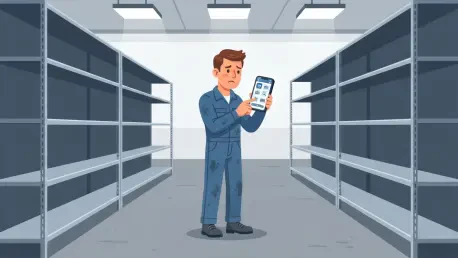

When retail staff members provide a cold or rude atmosphere, they inadvertently push professional clients toward the streamlined experience of online shopping. Recent trends in the automotive retail sector indicate that while large chains like O’Reilly Auto Parts possess the logistics and inventory to dominate the market, they are increasingly vulnerable to the erosion of brand trust caused by poor front-line interactions. This shift is particularly evident in the professional landscaping and mechanical sectors, where time is not just a resource but a direct component of profitability. When a contractor walks into a store expecting a quick resolution but meets a dismissive or apathetic staff, the immediate reaction is often a reassessment of the supplier relationship. The modern consumer, empowered by digital alternatives, no longer feels obligated to endure subpar treatment in exchange for local convenience. Consequently, the human element has transformed from a secondary concern into a primary competitive differentiator in the 2026 retail landscape.
The High Stakes: Challenges for Professional Contractors
Landscaping and mobile repair businesses treat vehicle maintenance as a primary operational expense, where every minute of downtime translates to tangible lost revenue. In this high-stakes environment, an auto parts store functions as more than a simple vendor; it acts as a critical link in the supply chain that keeps small operations functional. Professional contractors often arrive at these stores with specific needs and tight timelines, expecting a level of expertise that justifies the trip to a physical location. When they encounter staff members who are dismissive or seemingly uninformed, the resulting friction creates a significant bottleneck in their daily operations. The frustration is not merely about the lack of a part, but about the lack of urgency and respect for the contractor’s time. This segment of the market has historically been the most loyal, yet it is also the most sensitive to perceived incompetence because their profit margins are directly tied to the reliability of their parts providers.
Furthermore, the interpersonal dynamics at the retail counter serve as a proxy for the brand’s overall commitment to quality and professionalism. A contractor who feels disrespected is likely to generalize that experience to the entire corporation, leading to a permanent shift in purchasing habits. The cost of acquiring a new professional client is significantly higher than maintaining an existing one, yet many retail branches seem to ignore this fundamental economic reality. In the current year of 2026, the availability of technical data online means that if a store clerk cannot add value through superior service or diagnostic assistance, their presence becomes a liability rather than an asset. Small business owners are increasingly vocal about these experiences on social media platforms, creating a ripple effect that can tarnish a retailer’s reputation across an entire region. This heightened visibility ensures that a single instance of rude behavior can have long-lasting financial consequences far beyond one transaction.
The Strategic Solution: Navigating the Shift to Digital Competition
The move toward e-commerce alternatives is often accelerated by failures in basic communication, specifically regarding phone etiquette and stock verification. Many professional clients report instances where store employees hang up on callers or provide vague answers, forcing the customer to visit the store in person only to find the necessary parts are unavailable. This specific type of friction—unnecessary travel—is a major catalyst for the adoption of digital platforms like RockAuto or Carparts.com, which provide instant, transparent inventory tracking. While physical stores offer the promise of immediate gratification, that advantage is neutralized the moment a customer feels their time is being wasted by an unhelpful staff. Moreover, the inconsistency seen between different franchise locations makes brand loyalty difficult to sustain. A contractor might find one branch highly efficient and another completely dysfunctional, leading to a fragmented brand image that discourages long-term commitment and shopping around.
To counter these negative trends, forward-thinking retailers implemented rigorous training programs focused on emotional intelligence and technical communication for all counter staff. They recognized that the only way to compete with the pricing and convenience of online giants was to transform the physical store into a hub of expertise and genuine hospitality. By prioritizing staff retention and investing in deeper technical proficiency, these organizations turned the retail experience back into a strategic advantage that justified the higher overhead of brick-and-mortar operations. Management teams also began utilizing real-time customer feedback loops to address toxic local work cultures, ensuring that every individual branch adhered to a consistent standard of excellence regardless of its geographic location. The focus shifted from mere transaction volume to the cultivation of high-value professional relationships built on mutual respect and reliability, which secured the long-term viability of the physical storefront.