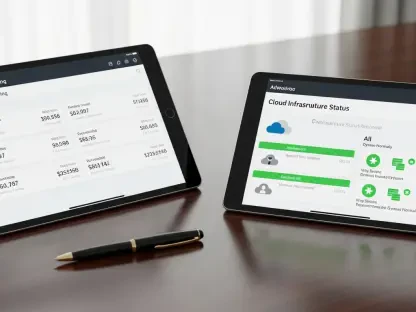

The moment a team hits its stride, the very tools that facilitated its early survival often transform into the primary obstacles hindering its next phase of growth. What started as a clean, manageable list of tasks in a platform like Paymo eventually morphs into a fragmented web of overlapping deadlines, hidden resource bottlenecks, and communication silos. As organizations expand their footprint, the need for a simple digital to-do list is replaced by a necessity for a sophisticated ecosystem that connects individual actions to high-level corporate strategy.
In the current landscape, the gap between “managing work” and “driving execution” has widened significantly. Scaling is no longer about just doing more; it is about maintaining synchronization as complexity increases exponentially. This shift in operational requirements is driving a mass migration toward platforms that offer more than just time tracking or task management. Organizations are searching for “connected work” environments where data flows autonomously between departments and predictive insights replace manual status checks.
When Growth Outpaces Your Project Management Tools
Success brings a unique set of complications that small-scale software is rarely equipped to handle. When a company moves from ten projects to a hundred, the administrative drag of manual updates begins to consume the time that should be spent on innovation. Leadership teams often find themselves making critical decisions based on outdated information because the system lacks real-time portfolio visibility. This friction is not a sign of failure but a clear indicator that the team has outgrown its digital infrastructure.
As departments like marketing, sales, and operations begin to overlap, the need for cross-functional coordination becomes paramount. A tool designed for siloed task tracking cannot effectively manage the intricate dependencies of a modern enterprise. When a delay in creative production ripples toward a product launch, the management system must flag that risk automatically. Without this level of interconnectivity, scaling becomes a reactive exercise in firefighting rather than a proactive march toward strategic milestones.
Why Scaling Organizations Are Moving Beyond Paymo
The primary catalyst for moving beyond lightweight solutions is the realization that resource planning cannot happen in a vacuum. In a growing environment, understanding who is working on what is only half the battle; the real challenge lies in understanding capacity and preventing burnout before it impacts delivery. Paymo, while effective for small teams, often lacks the high-level workload visualizations required to balance talent across multiple concurrent initiatives.
Furthermore, the demand for sophisticated automation has become a baseline requirement for efficiency. Modern scaling teams no longer accept manual entry for repetitive processes like approval workflows or project intake. They require systems that can trigger actions based on status changes, ensuring that work moves through the pipeline without human intervention at every step. This automation is not just a convenience; it is the engine that allows a team to double its output without doubling its headcount.
Top Alternatives for Connected Work at Scale
When evaluating the market for a successor to basic project management, monday work management frequently emerges as the most versatile core for cross-functional execution. It functions as the connective tissue for an organization, allowing different departments to maintain their unique workflows while feeding data into a centralized reporting layer. This platform empowers leaders with live dashboards that reflect the actual health of the business, moving away from the static presentations that used to define executive reporting.
The true strength of such a system lies in its ability to adapt to PMO-grade delivery requirements. With robust Gantt charts, workload views, and over ten different drag-and-drop widgets for reporting, it provides the granularity needed for complex project orchestration. Its “AI Blocks” represent a significant technological leap, allowing teams to categorize, summarize, and extract information from documents automatically. This reduces the time spent on administrative triage and ensures that high-value talent remains focused on execution.
For organizations with highly specialized needs, other platforms offer focused strengths that complement specific operational models. Wrike stands out for creative agencies that require embedded proofing systems and intricate resource management for client deliverables. Asana utilizes its “Work Graph” model to link daily tasks directly to strategic goals, ensuring that every team member understands their impact on the broader mission. Meanwhile, Smartsheet serves data-heavy teams that prefer a spreadsheet-style interface but require enterprise-level project orchestration and governance.
Modern Capabilities That Transform Work Management
The integration of artificial intelligence has fundamentally altered the trajectory of work management. In the modern workspace, AI does not just assist with writing; it acts as a silent coordinator that identifies patterns across timelines and budgets. Predictive analytics can now flag projects that are likely to slip weeks before a deadline is missed. By analyzing historical velocity and current resource loads, these systems provide a layer of oversight that was previously impossible without a massive dedicated PMO staff.
This evolution is accompanied by the rise of the “digital workforce”—intelligent agents that handle multi-step sequences like onboarding or budget approvals. As complexity increases, these agents ensure that the administrative effort does not grow at the same rate. This allows organizations to maintain a “flat” feel even as they scale, keeping the focus on collaboration rather than bureaucracy. These systems provide a proactive safety net, ensuring that nothing falls through the cracks as the pace of business accelerates.
Strategic Framework for a Successful Migration
Transitioning to a more robust platform is not merely a technical task; it is a strategic opportunity to audit and reset the way an organization functions. The first step involves a rigorous audit of existing data. Scaling teams must resist the urge to migrate every obsolete task from the past decade. Instead, they should clean their data, prioritize active projects, and ensure that only structured, high-quality information enters the new system to prevent bringing old inefficiencies into a new environment.
Success in migration is also heavily dependent on the human element. Empowering internal “champions”—department leads who spearhead the transition—ensures that the change is driven by peer support rather than executive mandate. A phased rollout strategy, where a pilot group tests the platform before a company-wide launch, allows for the discovery of edge cases without disrupting the entire organization. This gradual approach builds confidence and allows for the continuous optimization of workflows as new patterns of work emerge.
As organizations looked toward the horizon, they realized that the choice of a project management tool was actually a choice about the future of their culture. The teams that successfully transitioned to more robust, connected platforms found that they were no longer fighting their software to get updates. Instead, they leveraged these systems to create a more transparent and agile environment. By moving away from the limitations of basic tracking and embracing integrated ecosystems, these companies secured the operational maturity needed to turn their growth ambitions into sustainable reality.