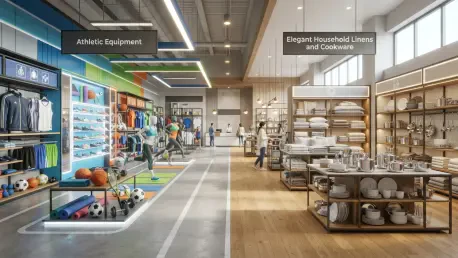

Managing Director Rod Duke identifies high fuel prices and general inflationary pressures as the primary drivers behind the subdued discretionary spending seen across New Zealand. Amidst this cooling economic climate, Briscoe Group Limited has demonstrated a remarkable level of operational resilience, as evidenced by its recently released third-quarter performance data. The organization reported unaudited sales of NZ$174.4 million for the thirteen-week period, representing a 1.98 percent increase over the same quarter in the previous year. This growth is particularly noteworthy given the broader retail slump, suggesting that the Group’s strategic focus on promotional agility and inventory management is successfully capturing the remaining consumer demand. Over the broader 39-week period ending in late October, the company achieved a cumulative sales total of NZ$548.6 million, marking a steady 1.17 percent improvement. This performance reflects a calculated effort to maintain market momentum through targeted value propositions while simultaneously safeguarding the company’s long-term financial health during a period of significant macroeconomic uncertainty and shifting buyer behavior.
Analyzing Growth Drivers and Digital Shifts
Sector Performance and Brand Resilience
The Rebel Sport brand remains the primary engine of growth for the Group, posting a robust 4.0 percent sales increase during the third quarter. This sustained performance, which follows a 3.0 percent growth rate over the first nine months of the year, suggests that New Zealanders continue to prioritize fitness and outdoor activities despite tightening their household budgets. The brand’s ability to resonate with consumers during a downturn is a testament to its strong market positioning and the agility of its merchandising teams. By offering a range of products that cater to both elite athletes and casual enthusiasts, Rebel Sport has managed to maintain high transaction volumes. This consistency provides a vital cushion for the Group, allowing it to navigate fluctuations in other retail categories while maintaining an overall positive sales trajectory. The sporting goods sector appears to be less sensitive to the immediate pressures of inflation, as consumers view health and wellness as essential components of their lifestyle that are not easily sacrificed.
In contrast, the Briscoes Homeware segment has navigated a more complex recovery path after experiencing a challenging second quarter. While its year-to-date growth remains marginal at 0.06 percent, the third quarter saw a return to positive territory with a 0.82 percent increase in sales. This pivot is a significant indicator that the decline in discretionary household spending, which saw a sharper drop in earlier periods, may finally be reaching a point of stabilization. The recovery in the homeware division suggests that consumers are beginning to replace essential items or engage in modest home improvements that were previously deferred. Management has focused on finding the precise balance between aggressive promotional pricing to drive volume and the necessity of protecting gross profit margins. This disciplined approach to pricing and inventory has allowed the homeware segment to regain its footing without engaging in a destructive race to the bottom. As consumer sentiment slowly improves, the stabilization of this core pillar is essential for the Group’s overall fiscal strength.
The Rise of the Omni-Channel Shopper
A significant highlight of the Group’s recent corporate update is the accelerated growth of its digital platforms, which continue to outperform physical storefronts. Online sales surged by 5.77 percent during the third quarter, now accounting for 19.17 percent of total revenue, up from 18.48 percent in the previous year. This shift underscores a fundamental change in consumer preferences, with shoppers increasingly relying on digital convenience for both research and final purchase execution. The Group has successfully integrated its physical and digital presence, ensuring that the online customer journey is seamless and efficient. This omni-channel strategy is particularly effective in the current environment, where consumers are more likely to price-compare and seek out online-exclusive deals before committing to a purchase. By leveraging data analytics from these digital interactions, the company can better predict inventory needs and tailor its marketing efforts to specific demographics. The continued rise of e-commerce is not just a trend but a structural shift that Briscoe Group is aggressively capitalizing on.
The digital surge was particularly pronounced in the homeware category, where online sales saw an impressive increase of 6.41 percent. Meanwhile, sporting goods online sales rose by 4.34 percent, indicating that the digital transition is widespread across all segments of the business. This growth in online revenue helps to offset some of the increasing operational costs associated with maintaining a large physical retail footprint, such as rising utility prices and labor expenses. The Group’s investment in a user-friendly digital interface and robust backend logistics has made it a leader in the New Zealand e-commerce space. As mobile shopping becomes the primary method of engagement for a younger generation of consumers, the ability to maintain high growth rates in this area is a critical competitive advantage. The focus on digital integration ensures that the brand remains relevant in an increasingly online-centric retail environment. By continuing to refine the digital experience, the Group is positioning itself to capture a larger share of the growing e-commerce market over the next several years.
Strategic Investments and Future Outlook
Optimizing the Physical and Technical Footprint
To ensure future competitiveness, the Group is aggressively refining its physical store network while simultaneously investing in massive infrastructure upgrades. Recent strategic moves include the relocation of the Rebel Sport Riccarton store to a higher-traffic location at Tower Junction in Christchurch and a major refurbishment of the Colombo Street branch. Furthermore, the Group has pioneered “store-within-a-store” concepts, such as the integration of a Chemist Warehouse within the Briscoes Homeware footprint in Panmure. This innovative approach maximizes floor space productivity and attracts a broader range of customers to the site. These physical optimizations are matched by heavy technical investments, including the implementation of the SAP S/4HANA enterprise resource planning system. While these projects represent a short-term hit to earnings due to commissioning costs, they are essential for streamlining data management and improving supply chain visibility. The Group is effectively trading current profitability for a more efficient and scalable operational model that will support growth well into the late 2020s.
The most ambitious part of this technical overhaul is the now-operational automated North Island Distribution Center. This facility is designed to significantly reduce order fulfillment times and lower the long-term costs of logistics and stock handling. Although the Group is currently incurring the expenses of optimizing this new system, the efficiencies gained are expected to materialize fully by the 2027 to 2028 financial years. The automation of the distribution chain is a direct response to the rising costs of labor and the increasing demand for rapid delivery in the e-commerce sector. By modernizing its backend operations, Briscoe Group is creating a structural advantage that will allow it to maintain superior margins compared to less technologically advanced competitors. This forward-looking investment strategy demonstrates a commitment to operational excellence that goes beyond mere sales growth. The combination of a refined physical presence and a state-of-the-art logistical foundation ensures that the organization can handle higher volumes with greater precision. This holistic approach to infrastructure is key to navigating the complexities of a modern retail supply chain.
Financial Forecast and Navigating Pressures
The organization maintained a cautiously optimistic financial outlook despite the persistent pressures of currency volatility and the high cost of imported goods. Managing Director Rod Duke noted that the business had to navigate a landscape where the fluctuating New Zealand dollar squeezed gross profit margins. To combat this, the management team successfully identified the “sweet spot” for promotional activity, ensuring that sales volume did not come at the expense of long-term sustainability. The projected year-end net profit after tax of up to NZ$55 million remained a realistic target, though it depended heavily on the success of the fourth-quarter holiday trading period. Throughout the year, the Group effectively balanced immediate revenue goals with the heavy capital expenditures required for technical upgrades. This disciplined financial oversight ensured that the company remained debt-free and well-capitalized, providing a strong foundation for future expansion. By focusing on margin protection and operational efficiency, the business demonstrated that it could thrive even when the broader economic environment was unfavorable for traditional retail growth.
As the fiscal period concluded, the Group proved that a focus on omni-channel integration and logistical automation was the most effective defense against a retail slump. The strategic decision to invest in the North Island Distribution Center and SAP software provided the necessary tools to manage inventory with unprecedented accuracy. Retail leaders should have viewed these results as a blueprint for operating in a high-inflation environment, where consumer loyalty is won through a combination of value and convenience. Looking forward, the company was well-positioned to capitalize on the logistical efficiencies that were set to fully realize in 2027. The ability to maintain sales growth in both Rebel Sport and Briscoes Homeware, even during a period of subdued spending, highlighted the enduring strength of the brands. By the end of the year, the organization had not only navigated the immediate economic challenges but had also built a leaner, more technologically advanced platform for the future. The transition toward a more automated and digitally focused business model was the key takeaway for investors looking for long-term stability in the New Zealand market.