
The contemporary logistics landscape has reached a critical juncture where the margin for error in fleet operations has virtually vanished due to rising costs and complex global demands. Fleet managers now face a volatile environment defined by fluctuating energy prices and a persistent shortage of qualified labor, making traditional manual planning methods not only obsolete but financially dangerous. As of 2026, the industry has transitioned toward a paradigm where data-centric optimization is the primary driver of operational survival, allowing companies to navigate intricate urban environments and strict regulatory frameworks with surgical precision. This shift is not merely about moving goods from one point to another; it represents a fundamental reorganization of how assets, personnel, and time are synchronized to meet the heightened expectations of a digital-first economy. By leveraging sophisticated algorithms, businesses are finally moving past the era of guesswork, establishing a foundation for resilience that can withstand sudden market shifts or logistical disruptions.
Driving Financial Efficiency Through Resource Management
Strategic deployment of route optimization software serves as a powerful hedge against the escalating costs of vehicle maintenance and fuel consumption. By calculating the most efficient paths and prioritizing delivery density, these platforms significantly reduce the total mileage driven by a fleet without sacrificing service quality. This reduction in unnecessary travel directly correlates to lower wear and tear on expensive physical assets, extending the lifespan of vehicles and reducing the frequency of unplanned repairs. Furthermore, the implementation of “what-if” planning scenarios provides a digital sandbox where managers can test various strategies, such as altering delivery windows or adjusting the size of the fleet, before any real-world resources are committed. This predictive capability ensures that capital is only allocated to proven strategies, effectively eliminating the trial-and-error approach that often leads to budget overruns in traditional logistics management.
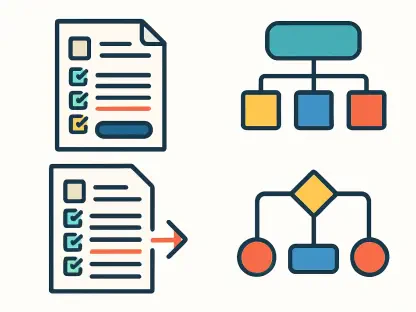
Beyond fuel and maintenance, the financial viability of a modern fleet depends heavily on the intelligent management of human capital and regulatory compliance. Optimization tools now automatically integrate complex labor laws and driver-hour regulations into every schedule, ensuring that routes are both mathematically optimal and legally sound. This automation prevents the occurrence of costly fines and minimizes the need for expensive overtime pay, which often erodes the profit margins of delivery-intensive businesses. By streamlining every journey and removing administrative bottlenecks, companies can effectively achieve higher delivery volumes with fewer vehicles and labor hours. This level of efficiency allows for a leaner operational structure where every asset is utilized to its maximum potential, transforming the logistics department from a traditional cost center into a lean, performance-driven engine of growth that can adapt to the economic pressures expected through 2028.
Real-Time Visibility and Operational Agility
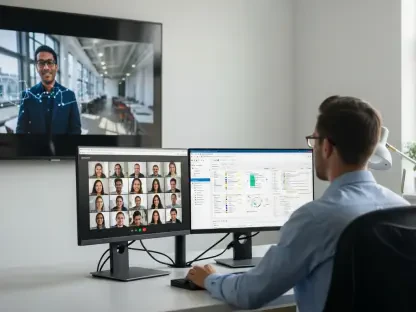
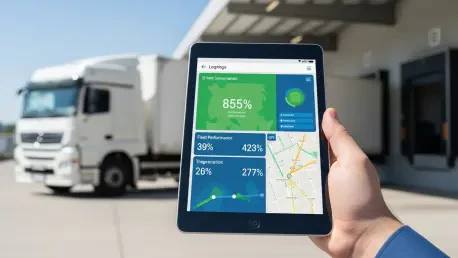
In the high-stakes environment of last-mile delivery, the ability to eliminate operational uncertainty is vital for maintaining schedule adherence and brand reputation. Modern optimization platforms achieve this by creating a seamless feedback loop through the integration of Global Positioning Systems and advanced telematics. This real-time visibility allows dispatchers to monitor the exact location of every vehicle and the status of every shipment, providing the transparency needed to address delays before they impact the customer. When a vehicle encounters an unexpected obstacle, such as a road closure or an equipment malfunction, the system provides immediate alerts, enabling the management team to pivot and reassign tasks dynamically. This proactive stance prevents minor issues from cascading into major delivery failures, ensuring that the integrity of the daily plan is maintained regardless of the external variables that often plague urban distribution networks.
The resilience of a transportation network is further bolstered when optimization technology is fully integrated with broader enterprise systems like Warehouse Management Systems and Transport Management Systems. This interconnected tech stack ensures that data flows freely between the warehouse floor and the driver’s mobile device, eliminating the need for manual data entry and reducing the likelihood of human error. By centralizing operational data, businesses gain a unified view of their entire supply chain, which facilitates more agile decision-making and faster response times to shifting consumer demands. This digital continuity ensures that all stakeholders, from warehouse coordinators to fleet supervisors, are operating from a single version of the truth. Consequently, the organization becomes far more capable of absorbing sudden shocks, such as spikes in order volume or supply chain bottlenecks, maintaining a consistent level of service that was previously impossible to achieve.
Sustainability and the Role of Predictive Analytics
Environmental stewardship has evolved into a mandatory business requirement as consumers increasingly align their spending habits with brands that demonstrate a commitment to eco-friendly practices. Fleet optimization technology serves as a critical tool in this green transition by drastically shortening routes and reducing the overall carbon footprint of delivery operations. Modern systems now feature carbon calculators and sustainability dashboards that allow companies to quantify their environmental impact in real time. Moreover, businesses are increasingly offering “green” delivery windows, which incentivize customers to choose slots where a vehicle is already scheduled to be in their specific neighborhood. This strategic approach not only reduces emissions per package but also increases stop density, creating a symbiotic relationship between environmental responsibility and operational profitability that defines the current industry standard.
The ongoing evolution of fleet performance is also being heavily influenced by the adoption of Artificial Intelligence and predictive analytics. These tools have moved beyond simple static routing to embrace machine learning models that learn from historical execution data and real-world performance metrics. For example, if a particular delivery location consistently presents challenges due to difficult parking or complex site access, the AI automatically adjusts future planning to account for these delays. By analyzing patterns in traffic congestion, weather events, and seasonal demand fluctuations, these systems ensure that routing plans remain realistic and achievable under diverse conditions. This move toward predictive management allows fleet operators to stay ahead of the curve, transforming historical data into a strategic asset that informs every decision and ensures that the fleet is always operating at the peak of its theoretical and practical capacity.
Improving the Driver and Customer Experience
The success of any logistics operation is fundamentally tied to the well-being of the workforce and the satisfaction of the end-user. Advanced route optimization addresses the persistent challenge of driver shortages by creating realistic and manageable schedules that significantly reduce workplace stress and burnout. When drivers are provided with efficient, well-sequenced routes that respect their time and effort, they are far more likely to experience job satisfaction and remain with the organization. This stability in the workforce is essential for maintaining a high level of operational expertise and reducing the substantial costs associated with recruiting and training new personnel. By prioritizing the driver experience through intelligent technology, companies foster a culture of reliability and professionalism that translates directly into the quality of service provided at the customer’s doorstep.
On the consumer side of the equation, the precision afforded by modern optimization tools has become a primary differentiator in an increasingly crowded marketplace. Customers now expect a high degree of transparency, including accurate Estimated Times of Arrival and narrow delivery windows that accommodate their busy schedules. Providing this level of detail builds long-term loyalty and trust, as it demonstrates a respect for the customer’s time and a commitment to reliability. Furthermore, the ability to provide real-time updates and proactive communication in the event of a delay helps to mitigate frustration and maintain a positive brand image even when challenges arise. By leveraging data to meet the dual demands of operational efficiency and customer centricity, fleet operators have established a resilient business model that is well-positioned to thrive as delivery expectations continue to rise through 2027 and beyond.
Strategic Integration for Future Resilience
The transition toward automated fleet optimization marked a significant turning point in the industry’s ability to manage complex logistical networks. Organizations that successfully implemented these data-driven strategies observed a measurable improvement in their ability to control costs while simultaneously increasing their service capacity. The past few years proved that manual processes were insufficient for the demands of a globalized, high-speed economy where fuel volatility and labor constraints are the norm. By centralizing control and utilizing real-time data, fleet operators transformed their daily routines from a series of reactive fire-fighting exercises into a streamlined, proactive discipline. This technological foundation became the prerequisite for any company wishing to maintain a competitive presence in a market that no longer tolerates inefficiency or lack of transparency.
Moving forward, the primary focus for fleet managers should be the deeper integration of predictive tools and the expansion of sustainability initiatives. The most effective next step involves moving beyond basic routing toward a holistic synchronization of the entire supply chain, where warehouse activities and fleet movements are perfectly aligned. Businesses are encouraged to invest in training programs that help staff interpret the insights provided by AI, ensuring that human expertise and machine intelligence work in harmony. Additionally, the adoption of electric and alternative-fuel vehicles should be accelerated, with optimization software playing a key role in managing the unique charging and range requirements of these assets. By viewing technology as a continuous journey of improvement rather than a one-time purchase, fleet operators will ensure their organizations remain agile, profitable, and environmentally responsible for years to come.