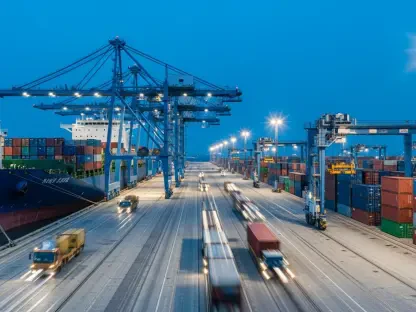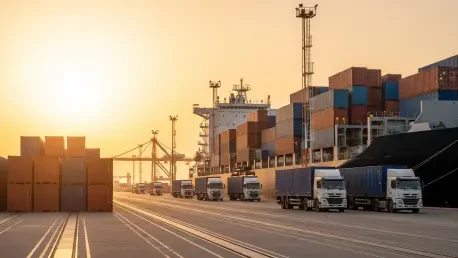

Global maritime trade routes are currently facing unprecedented disruption as regional instabilities necessitate a radical rethinking of how containerized cargo moves through the world’s most sensitive chokepoints. To address these escalating geopolitical tensions and the resulting navigational restrictions within the Strait of Hormuz, CMA CGM has implemented a sophisticated multimodal logistics strategy. This initiative focuses on the safety of personnel and the preservation of Middle Eastern trade continuity by utilizing an integrated network of sea, rail, and road transport. By bypassing high-risk maritime zones, the carrier is securing global supply chains against localized volatility. The primary strategy centers on leveraging strategic Omani and Emirati ports such as Khor Fakkan, Fujairah, and Sohar as entry points south of the Strait. From these locations, cargo is efficiently redistributed to major commercial hubs like Jebel Ali and Khalifa Port via robust regional road networks and feeder services, ensuring that goods reach their destination.
Strategic Land Bridges: Alternative Corridors for Regional Stability
Beyond the immediate coastal redistribution, the Port of Jeddah on the Red Sea has emerged as a critical pivot point for cargo originating from Mediterranean and Asian markets. By establishing dedicated road corridors from Jeddah, the logistics provider successfully delivers essential goods to Saudi Arabia, Qatar, Bahrain, Kuwait, and Iraq without requiring vessels to enter the contested waters of the Strait of Hormuz. These supplementary routes through Oman provided additional cross-border reliability by connecting maritime feeder services with expansive land-based transport systems. This shift from purely maritime routes to hybrid solutions represented the most effective method for managing contemporary threats while maintaining operational efficiency. Logistics managers sought to prioritize the diversification of transit methods to mitigate long-term maritime risks. Moving forward, stakeholders established more resilient infrastructure investments and adopted real-time tracking technologies to ensure that multimodal shifts remained economically viable and secure.