
Imagine launching a groundbreaking app or orchestrating a major corporate event, only to find tasks slipping through the cracks, deadlines missed, and teams scrambling to catch up. This chaos is all too common when projects lack a clear roadmap. A well-crafted project timeline can transform this disarray into a streamlined path, ensuring every piece falls into place at the right moment. It’s not just about dates on a calendar; it’s about creating a shared vision that keeps everyone aligned, reduces stress, and spots risks before they derail progress. With 2026 on the horizon, projects are becoming more complex, spanning diverse industries from tech innovations to large-scale marketing campaigns. This guide aims to demystify the process of building a project timeline, breaking it down into actionable steps, exploring various formats, and showcasing real-world examples. Whether managing a product rollout or a multifaceted build, mastering this skill will be a game-changer for teams aiming to deliver on time and on target.
1. Understanding the Power of a Project Timeline
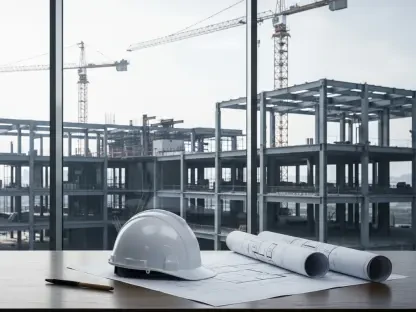
A project timeline isn’t merely a tool; it’s the backbone of any successful endeavor, turning a jumble of tasks into a coherent, visual plan. It illustrates the sequence of activities, from start to finish, highlighting start dates, end dates, and durations. More importantly, it connects milestones and dependencies, showing how one task hinges on another. Think of it as a blueprint for a construction project, where securing permits must precede laying the foundation. Without this clarity, projects risk descending into chaos, with missed deadlines and overlooked responsibilities piling up. The beauty of a timeline lies in its ability to make the abstract tangible, offering teams a clear view of what needs to happen and when. For 2026 initiatives, where stakes and complexities are often high, this structure becomes indispensable.
Beyond visualization, a timeline fosters strategic insight and prevents disorganization. It allows teams to break down sprawling projects into bite-sized phases, curbing the ever-looming threat of scope creep. Each phase becomes a checkpoint, ensuring nothing slips through the cracks. Additionally, laying out the schedule in advance helps anticipate bottlenecks or resource gaps, enabling proactive solutions rather than reactive firefighting. This forward-thinking approach not only maintains order throughout the project lifecycle but also builds confidence among stakeholders. When everyone can see the path ahead, trust in the process strengthens, making a timeline far more than a scheduling aid—it’s a unifying force for any ambitious 2026 project.
2. Why Project Timelines Matter
The significance of a project timeline extends far beyond mere organization; it’s a lifeline for maintaining momentum across a project’s lifespan. Without a defined schedule, even the most well-intentioned teams can lose sight of priorities, leading to missed tasks and slipping deadlines. A timeline acts as a guardrail, keeping everyone focused on the bigger picture while providing measurable milestones to track progress. For projects slated for 2026, where rapid innovation and tight turnarounds are often the norm, this structure prevents chaos from taking hold. It ensures that whether it’s a tech launch or a marketing blitz, every step is accounted for, and teams remain aligned on the end goal.
Moreover, timelines serve as a critical tool for risk management. By mapping out tasks and dependencies early, potential roadblocks become visible long before they cause delays. This foresight allows for contingency planning, ensuring smoother execution even when unexpected challenges arise. The clarity a timeline provides also boosts stakeholder trust—when progress is transparent and easy to follow, confidence in the project’s direction grows. Ultimately, a timeline isn’t just about keeping things on track; it’s about empowering teams to adapt, coordinate, and deliver with precision, especially in the fast-paced environment of upcoming 2026 initiatives.
3. Benefits That Drive Success
A well-constructed project timeline brings a host of advantages that can elevate any project from good to exceptional. At its core, it offers clear direction by defining the path ahead, complete with key milestones that connect each phase. This clarity ensures that every team member understands their role and how their work fits into the broader objective. For projects launching in 2026, where collaboration across departments or even organizations is common, this shared understanding minimizes confusion and keeps efforts aligned. The result is a cohesive team dynamic that drives steady progress without unnecessary detours.
In addition, timelines enhance coordination and resource planning in ways that are often underestimated. They provide visibility into who is needed where and when, allowing project managers to balance workloads and avoid overburdening any single individual or team. This foresight also aids in early detection of risks, such as scheduling conflicts or dependency delays, giving ample time to adjust plans. Furthermore, defined deadlines and task owners foster accountability, reducing last-minute scrambles. For stakeholders, a transparent timeline builds trust, as they can easily track advancements and feel assured of the project’s management. These benefits collectively ensure that ambitious goals for 2026 are not just dreamed up but delivered with finesse.
4. Exploring Different Timeline Formats
Project timelines come in various shapes and sizes, each tailored to specific needs and preferences, offering flexibility for diverse 2026 initiatives. Among the most recognized is the Gantt chart, a bar chart that visually represents project duration and task dependencies over time. Milestone charts, on the other hand, focus on key achievements, providing a high-level overview ideal for spotting potential issues. Flowcharts map tasks as interconnected steps, perfect for detailing workflows, while the Critical Path Method (CPM) identifies the longest sequence of dependent tasks to pinpoint critical delays. Each format serves a unique purpose, allowing teams to choose based on project complexity and planning style.
Other options include the Program Evaluation and Review Technique (PERT), which analyzes tasks to boost efficiency and manage risks, and historical timelines that chronologically highlight significant events for context on progress. Vertical chart timelines track data-heavy projects, such as financials, in a clear format, while Kanban timelines, popular with Agile teams, break tasks into subtasks completed in short sprints for focused progress tracking. This variety ensures that whether managing a tech rollout or a corporate event in 2026, there’s a timeline style that fits. Selecting the right format can make the difference between a cluttered plan and one that communicates intent with crystal clarity.
5. Core Elements Every Timeline Needs
Building an effective project timeline requires including several key components that provide structure and clarity for any 2026 project. Start with defining the project’s start and end dates, setting the boundaries within which all work must occur. A comprehensive task list comes next, capturing every activity or phase needed to reach the final outcome. Each task should have specific start and end dates to manage expectations and identify overlaps, alongside estimated durations based on scope and available resources. These elements form the foundation, ensuring no detail is overlooked.
Additionally, milestones play a vital role by marking significant progress points or phase completions, acting as checkpoints for teams to gauge advancement. Dependencies are equally crucial, as they highlight the relationships between tasks, showing what must be completed before another can begin. Incorporating these components creates a timeline that’s not just a list of dates but a dynamic guide. For projects in 2026, where timelines often span multiple teams or complex deliverables, having these pieces in place ensures accuracy and usability. A timeline with these essentials becomes a reliable tool, helping teams navigate challenges and stay focused on delivery.
6. Real-World Applications of Timelines
To grasp the practicality of project timelines, consider how they apply across different industries for 2026 projects. Take software development for an app launch—a six-month cycle might include stages like planning, UI/UX design, feature coding, testing, and a controlled rollout. Mapping these phases ensures specialists coordinate effectively and handoffs are seamless, aligning builds with release goals. This structured approach prevents delays in critical areas like testing, which could otherwise push back the entire launch. A visual timeline here acts as a unifying thread, keeping technical and creative teams in sync.
Contrast this with a marketing campaign for a new product, where the timeline evolves through strategy, content creation, multi-channel launch, and performance analysis. Each stage, from audience research to post-launch insights, builds on the last, and a timeline ensures no channel is neglected during rollout. Similarly, event planning for a corporate conference demands meticulous coordination—covering budgeting, venue selection, speaker outreach, logistics, and on-site execution. A clear timeline prevents oversights in high-pressure moments. These examples show how timelines adapt to varying complexities, offering a tailored framework that drives success across diverse 2026 endeavors.
7. Step-by-Step Process to Build Your Timeline
Creating a project timeline for 2026 initiatives doesn’t have to be daunting if approached methodically. Start by defining objectives and contingency plans. Establish deliverables and assign team responsibilities to craft a realistic schedule. Drafting a Statement of Work (SOW) to outline deliverables and time commitments provides a clear foundation. Equally important is identifying potential obstacles and brainstorming solutions as backups. This preparation ensures the timeline isn’t just a hopeful sketch but a practical tool that anticipates real-world challenges, setting the stage for smoother execution.
Next, break the project into manageable pieces using a Work Breakdown Structure (WBS). This method divides large goals into smaller, actionable tasks, maintaining momentum by making the scope less intimidating. The WBS acts as a checklist, ensuring all tasks are covered while accounting for dependencies. Following this, assign deadlines for each task by evaluating budget, team skills, and capacity. Setting due dates based on available resources shapes the timeline’s structure. Tools like monday work management can streamline this by tracking tasks and linking dependencies in real time. This phase transforms abstract plans into a concrete roadmap.
Then, develop a visual chart using features like the Timeline Column in platforms such as monday work management to display durations and tasks clearly. Adding details—tasks, dates, assignees, and dependencies—makes budget and schedule management easier. A unified project dashboard can serve as a single source of truth for the team. Finally, distribute the timeline to stakeholders, treating it as a dynamic document that evolves with shifting priorities. Holding a team meeting to align everyone on the plan, while ensuring stakeholders have full visibility, fosters transparency. These steps collectively build a timeline that guides 2026 projects with precision.
8. Best Practices for Timeline Management
Once a project timeline for a 2026 initiative is in place, managing it effectively is key to sustained success. Use the timeline as a central communication hub, making it the primary reference for updates, deadlines, and project statuses. Encouraging team members and stakeholders to check it regularly reduces the clutter of constant emails or messages asking for the latest details. This centralized approach streamlines interactions and keeps everyone on the same page, especially in fast-moving projects where clarity is paramount. A timeline that’s actively referenced becomes a unifying tool rather than a forgotten document.
Equally critical is keeping the timeline current. Projects evolve—priorities shift, and obstacles emerge—so regular updates are necessary to reflect real-time progress. An outdated timeline loses relevance and can mislead teams, leading to costly missteps. Beyond maintenance, analyzing timeline data offers valuable insights. Reviewing trends, such as consistent delays in certain tasks or overbooked resources, helps refine future planning and resource allocation. This data-driven approach turns a timeline into a learning tool, ensuring each project in 2026 benefits from lessons of the past, paving the way for continuous improvement.
9. Choosing the Right Timeline Software
Selecting the appropriate software to build and manage a project timeline for 2026 projects can significantly enhance efficiency. Prioritize a user-friendly interface—complex systems with steep learning curves discourage adoption among teams. An intuitive platform with simple navigation ensures everyone can engage with the timeline without frustration. Additionally, look for software that supports task dependencies easily, allowing seamless sequencing of interconnected activities. This feature saves time and reduces errors in planning, making it a must-have for intricate projects with multiple moving parts.
Further, consider tools offering real-time updates to ensure all changes are instantly reflected across the team, preventing confusion over outdated versions. Mobile accessibility is another vital aspect, enabling on-the-go updates for team members in the field or away from desks. Integration capabilities with existing tools, such as Slack or Google Drive, streamline workflows by reducing the need for multiple logins. A platform like monday work management, with its quick setup, clear milestone tracking, and automated workflows, exemplifies these qualities. Choosing software with these features transforms a timeline from a static plan into a dynamic, collaborative asset for any 2026 endeavor.
10. Looking Back to Move Forward
Reflecting on the journey of crafting project timelines, it’s evident that their role in past successes cannot be overstated. Many teams in recent years found that a structured timeline turned potential chaos into streamlined delivery, ensuring milestones were met with precision. The ability to visualize tasks, anticipate risks, and adapt to challenges proved invaluable for projects across industries. Those who embraced tools with real-time updates and flexible views often recalled how much smoother coordination became, even under tight deadlines. This historical perspective underscores the power of a well-managed timeline.
Moving ahead into 2026, the focus should shift to refining these lessons into actionable strategies. Teams are encouraged to invest time in selecting software that enhances visibility and collaboration, ensuring timelines remain living documents. Regular analysis of timeline data should become standard practice, turning insights into better resource planning for future initiatives. By building on what worked in the past, and adapting to evolving project demands, the path to successful delivery in the coming year becomes clearer. A commitment to continuous improvement in timeline crafting will undoubtedly pave the way for impactful results.