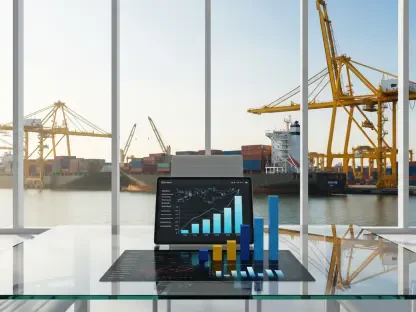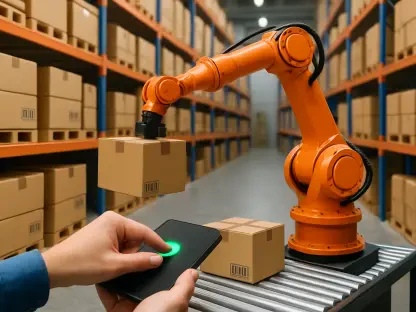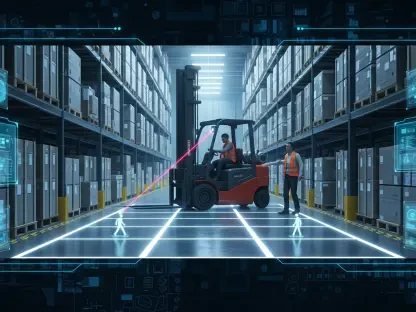

In the intricate world of global trade, customs has long been perceived as a necessary evil—a bureaucratic checkpoint focused on paperwork and compliance, often viewed as a cost center and a potential source of frustrating delays. However, a seismic shift is underway. Driven by relentless geopolitical volatility, escalating regulatory complexity, and an insatiable demand for data, customs is rapidly transforming from a transactional necessity into a core strategic business capability. This article explores this profound evolution, detailing how leading organizations are moving beyond a reactive, siloed approach to customs. It will examine how integrating customs into the heart of corporate strategy is becoming essential for building resilient supply chains, controlling costs, mitigating risk, and unlocking a powerful new source of commercial insight.
The Evolution from Transactional Hurdle to Strategic Imperative
Historically, customs management was a largely administrative function, delegated to local teams or outsourced to a network of brokers with minimal central oversight. The primary goal was simple: get goods across the border with as little friction as possible. This fragmented model was adequate in a more stable global environment, but the landscape has changed dramatically. The rise of complex free trade agreements, heightened security concerns, and the weaponization of tariffs and sanctions have rendered this traditional approach obsolete. The cost of getting it wrong—in the form of crippling fines, seized shipments, and reputational damage—has skyrocketed. This new reality demands a paradigm shift, forcing businesses to recognize that customs is no longer just a logistical task but a high-stakes function that directly influences financial performance and operational continuity.
Unpacking the Strategic Dimensions of Modern Customs Management
Beyond Tariffs: Mastering Cost Control and Supply Chain Predictability
In today’s competitive market, a proactive customs strategy is a powerful lever for financial control and operational excellence. It moves beyond simply paying duties to actively managing them through sophisticated approaches like tariff engineering, leveraging free trade agreements, and utilizing duty-relief programs. This strategic management directly protects the bottom line by minimizing liabilities and avoiding costly penalties for non-compliance. Equally important is the impact on the supply chain. When customs is managed effectively, it ensures predictability and service reliability, two cornerstones of customer satisfaction. By eliminating unforeseen delays and customs-related disruptions, businesses can maintain lean inventories, meet tight delivery windows, and build a reputation for dependability that serves as a significant competitive advantage.
Navigating a Minefield: Mitigating Risk in an Era of Geopolitical Uncertainty
The modern trade environment is a minefield of regulatory and geopolitical risks. Sanctions can be imposed overnight, licensing requirements can change without warning, and new trade barriers can disrupt established supply routes. In this context, a passive approach to customs compliance is a recipe for disaster. A strategic customs capability functions as a critical risk mitigation tool, providing the visibility and control needed to navigate this complex terrain. This involves continuous monitoring of global regulatory changes, conducting rigorous due diligence on trade partners, and establishing robust internal controls to ensure compliance across all jurisdictions. By embedding customs expertise within the core operational framework, organizations can proactively identify and neutralize threats before they escalate into costly disruptions or severe legal entanglements.
The Data Dividend: Turning Compliance Data into a Commercial Asset
A fundamental shift in modern customs is the recognition of trade data as a strategic asset. The information required by customs authorities—detailing product origins, values, classifications, and destinations—creates a rich, structured dataset that offers immense value beyond compliance. Historically, this data was filed away and forgotten. Today, forward-thinking companies are harnessing it to generate powerful commercial insights. By analyzing this data, businesses can optimize sourcing strategies, evaluate the true landed cost of goods from different markets, and identify opportunities for supply chain improvements. This transforms customs from a department that consumed resources into one that generated actionable intelligence, providing a clear, data-backed view of global trade flows that informed smarter, more profitable business decisions.
The Future of Global Trade: Technology and the Next Frontier in Customs
The evolution of customs is being accelerated by a wave of technological innovation. Digitalization is replacing paper-based processes with streamlined platforms like government-led “Single Window” systems, which allow traders to submit all required information in one place. Artificial intelligence and machine learning are emerging as powerful tools for automating tariff classification, conducting risk analysis, and predicting potential delays. Furthermore, the demand for end-to-end supply chain visibility is driving the integration of customs data with logistics and ERP systems, creating a unified view of goods in transit. Looking ahead, this trend will only intensify, with technologies like blockchain promising to enhance transparency and security, further embedding customs as a data-driven, technology-enabled strategic function.
Building a Strategic Customs Capability: An Actionable Framework
To harness the strategic potential of customs, organizations must move beyond a fragmented and reactive posture. The first step is to establish centralized oversight, creating a unified framework that governs customs operations across all markets. This ensures consistency, quality control, and a single source of truth for trade data. Second, businesses must break down internal silos by fostering collaboration between customs, supply chain, finance, legal, and procurement teams. This cross-functional alignment ensures that customs considerations are embedded in key decisions, from product design to market entry. Finally, investing in the right blend of in-house expertise and strategic partnerships is crucial. This model provides the internal control and external knowledge needed to navigate regulatory complexities and leverage data for a competitive edge.
Conclusion: Redefining Customs as a Pillar of Corporate Strategy
The days of viewing customs as a simple administrative checkpoint were officially over. In an era defined by global complexity and data-driven decision-making, it had become an undeniable strategic capability. By proactively managing customs, organizations did more than just avoid penalties and delays; they secured their supply chains, optimized costs, mitigated critical risks, and unlocked valuable commercial intelligence. Integrating customs into the core fabric of business strategy was no longer an option for ambitious global enterprises—it was an absolute necessity. Those who continued to treat it as a back-office function found themselves increasingly exposed and outmaneuvered, while those who embraced its strategic power built a more resilient, efficient, and competitive global operation.