
The ability to sustain a military force in a high-intensity conflict depends less on the size of the initial stockpile and more on the velocity and intelligence of the supply chain supporting it. As global tensions rise and traditional logistics models fail to meet the demands of rapid mobilization, the Torus Defence Supply Chain alliance has emerged as a pivotal solution. This collaborative powerhouse combines the expertise of Amentum, GXO, Accenture, and Maersk to redefine how a nation manages its strategic assets. By merging commercial agility with military-grade security, the alliance offers a blueprint for a modernized, sovereign capability that moves beyond the limitations of legacy systems.
Introduction: The Torus Alliance and Defense Supply Chain Modernization
The Torus alliance represents a calculated shift in the United Kingdom’s approach to national security, prioritizing integrated logistics over fragmented procurement. Historically, defense supply chains have operated in silos, leading to delays and a lack of transparency that can prove fatal in active theater. Torus addresses these vulnerabilities by synthesizing global commercial expertise into a unified framework designed for the modern threat landscape.
This evolution is driven by the realization that multi-domain integration requires more than just interoperable hardware; it demands a seamless flow of information and materiel across land, sea, and air. By establishing a collaborative model, the UK is strengthening its sovereign capability while ensuring that its logistical backbone is as resilient as its frontline units. This shift signifies a departure from old-fashioned, static warehousing toward a dynamic, responsive network.
Key Components: Technical Framework of the Modernized Supply Chain
Lead System Integration: Military Interoperability
Amentum serves as the strategic architect within the alliance, applying decades of operational experience to bridge the gap between complex procurement and real-world transformation. Their role as a lead system integrator ensures that disparate technologies and platforms speak the same language. This technical cohesion is essential for maintaining interoperability with allied forces, particularly during joint international operations where fragmented data could lead to logistical bottlenecks.
By translating modern military standards into actionable protocols, Amentum ensures that the procurement phase is not just about buying equipment, but about building a system that functions under pressure. Their approach focuses on the lifecycle of a mission, ensuring that systems are scalable and adaptable to the needs of the force as it evolves. This level of integration is what separates a modernized supply chain from a traditional delivery service.
Scalable Logistical Infrastructure: Distribution Networks
The physical backbone of the alliance is managed by GXO, which utilizes its extensive network of warehousing and distribution centers to create a highly flexible infrastructure. The recent acquisition of Wincanton has significantly increased the density of this network, allowing for greater efficiency and a faster response time across the UK. This density is crucial for maintaining a decentralized supply chain that can survive disruptions to major hubs.
GXO’s contribution goes beyond mere storage; it is about the intelligent positioning of assets to ensure that critical supplies are always within reach. By leveraging commercial best practices in inventory management, the alliance can achieve a level of responsiveness that traditional military logistics often lack. This capability ensures that the transition from storage to deployment is instantaneous, supporting the high-tempo demands of modern warfare.
Digital Reinvention: AI-Powered Decision Support
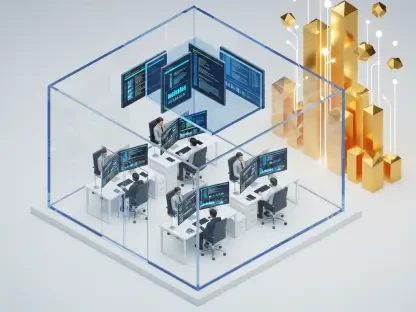
Accenture leads the digital charge by implementing a data-driven approach that establishes a “single version of the truth” for all stakeholders. Through the use of advanced analytics and artificial intelligence, commanders can now visualize the entire supply chain in real-time. This level of transparency allows for predictive modeling, where potential shortages or transport delays are identified and mitigated before they impact the mission.
This technical framework allows for a delicate balance between cost-efficiency and mission success. AI-powered insights provide decision support that helps officers choose the most resilient path for sensitive cargo, rather than just the cheapest or fastest one. In an environment where data is a mission-critical asset, this digital reinvention ensures that information exploitation becomes a strategic advantage rather than an administrative burden.
Global Asset Management: Secure Transit
Maersk provides the final, essential link by offering a global network of owned assets for the secure movement of government cargo. Unlike third-party logistics providers that rely on leased space, Maersk’s control over its ships and terminals provides a higher degree of security and compliance. This end-to-end visibility is vital when moving sensitive equipment across international borders or through contested maritime zones.
Performance metrics within this framework are tied to reliability and reach. The ability to track a single container from a UK warehouse to a remote operational base with 100% visibility changes the risk profile of global deployments. By integrating maritime and land solutions under a single management structure, Maersk eliminates the “dark spots” in the supply chain that often compromise security and planning.
Emerging Trends: Defense Logistics and Strategic Shifts
A fundamental shift is occurring as the defense sector moves from “just-in-time” logistics to “assured readiness” models. The old model, which focused on minimizing inventory to save costs, proved insufficient for handling large-scale, unpredictable operational demands. Today, the focus is on resilience, ensuring that the supply chain has enough “slack” to absorb shocks without failing, which is a critical requirement for national defense.
Moreover, the industry is seeing the rise of data exploitation as a core military discipline. Information is no longer treated as a byproduct of logistics but as a primary tool for achieving operational effects. This trend favors alliances like Torus, which can integrate commercial speed with the rigorous security requirements of sovereign mission readiness. The goal is to move faster than the adversary, not just in combat, but in the replenishment of the forces engaged in it.
Real-World Applications: Industrial Impact
The implementation of these frameworks has already begun to support rapid deployment and a sustained presence in challenging environments. For instance, the movement of sensitive cargo across complex borders now utilizes integrated solutions that simplify customs and security protocols. This streamlined approach reduces the time a force is vulnerable during transit and ensures that resources arrive exactly when needed.
Beyond the battlefield, the alliance acts as a catalyst for the UK’s industrial base. By developing large-scale infrastructure and creating thousands of high-tech jobs, such as Amentum’s planned expansion of its local workforce, the alliance strengthens the national economy. This dual-purpose impact—supporting both national security and economic growth—demonstrates the broader value of modernized defense logistics in the current geopolitical climate.
Challenges: Implementation and Market Obstacles
Despite the technological advancements, significant hurdles remain, particularly regarding data transparency across legacy systems. Many older military platforms were never designed to share data, making it difficult to achieve a truly unified digital picture. Bridging these gaps requires significant investment and a willingness to overhaul established administrative processes that often resist change.
Furthermore, managing sovereign defense data within a commercially-led framework presents unique regulatory and security challenges. Ensuring that sensitive information remains protected while still being accessible for AI-driven analysis is a constant balancing act. Additionally, there is a growing talent gap in the defense sector, as the need for specialized digital skills often outpaces the availability of trained personnel in the local workforce.
Future Outlook: Path Toward Autonomous Logistics
The next phase of modernization will likely involve breakthroughs in autonomous delivery systems and predictive maintenance. Using the data framework established by the Torus alliance, future systems could automatically redirect supplies based on real-time attrition rates or predict a mechanical failure before it happens. This would drastically reduce the human footprint required for logistics and increase the sustainability of defense spending.
In the long term, this “Global Combat Support” model could become a standard for other allied nations seeking to modernize their own frameworks. As the speed of response becomes the ultimate metric of success, the ability to automate the mundane aspects of supply chain management will allow military leaders to focus entirely on strategic objectives. The evolution of this model points toward a future where logistics is a silent, automated force multiplier.
Summary: Final Assessment
The transition from traditional warehousing to a high-tech, integrated supply chain has fundamentally altered the landscape of military readiness. By prioritizing data exploitation and physical network density, the Torus alliance has successfully built a resilient framework that addresses the volatility of the current global environment. This review found that the synthesis of commercial speed and military security provides a significant advantage over legacy models that relied on fragmented, slow-moving processes.
Moving forward, the success of such initiatives will depend on the continued integration of autonomous technologies and the aggressive recruitment of digital talent. Military organizations should look to expand these collaborative models into more specialized areas, such as the management of green energy transition in the field. Ultimately, the long-term strategic value of this collaboration lies in its ability to ensure that the UK remains economically robust and militarily prepared, turning logistics from a potential point of failure into a primary source of national strength.