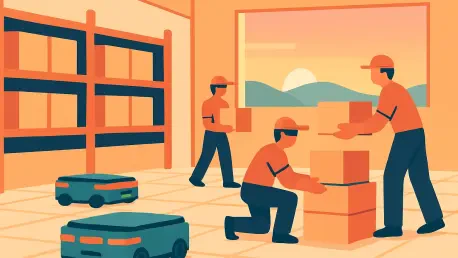

Imagine a warehouse in Mexico buzzing with activity, where robots glide alongside workers, not to replace them, but to lighten their load and turbocharge efficiency. This isn’t a futuristic dream—it’s the reality DHL Supply Chain has brought to life with the deployment of Carter™ robots in Latin America. As automation reshapes logistics across the globe, this initiative stands out as a bold step toward blending technology with human ingenuity. This roundup gathers diverse opinions, tips, and perspectives from industry voices to explore how DHL’s partnership with Robust.AI is revolutionizing supply chain operations, starting with Mexico, and what it means for the broader Americas region. The goal is to uncover the nuances of this technological shift, from efficiency gains to human-centric design, while comparing varied viewpoints on its impact.
Unpacking the Robotics Revolution in Latin America
DHL Supply Chain’s move to integrate Carter robots into its retail operations in Mexico marks a significant milestone in logistics automation. Through a five-year collaboration with Robust.AI, the initial rollout of 15 robots has already shown a remarkable 30% boost in operational efficiency. Industry observers note that this aligns with a growing demand for automation in a region hungry for innovative solutions to supply chain challenges. Many agree that Latin America, often seen as an emerging market for tech adoption, could become a testing ground for scalable logistics models, with DHL leading the charge.
However, not all perspectives are uniformly optimistic. Some logistics analysts caution that while the efficiency gains are undeniable, the readiness of facilities across the region varies widely. Adapting to diverse infrastructure and ensuring seamless integration remain key hurdles. Others highlight the potential tension between automation and human labor, suggesting that DHL’s success will hinge on striking a balance. These differing views paint a complex picture of opportunity tempered by practical challenges.
Diving into the Carter Robot Rollout: Expert Takes
Pioneering Efficiency in Mexico’s Warehouses
The deployment in Mexico has drawn significant attention for its early results. A 30% improvement in operations is no small feat, and many in the sector point to this as evidence of automation’s immediate value. Logistics managers familiar with the rollout praise the robots for streamlining repetitive tasks, allowing workers to focus on more strategic roles. This shift, they argue, could redefine productivity standards in the region if replicated across other facilities.
In contrast, some workforce advocates raise concerns about job displacement, even in a collaborative setup. They emphasize the need for upskilling programs to ensure employees aren’t left behind as technology advances. This debate underscores a broader question: can automation truly complement human roles without eroding job security? The consensus seems to lean toward cautious optimism, provided companies like DHL invest in training alongside tech.
Moreover, facility managers note logistical challenges in implementation. Older warehouses may struggle with spatial constraints or outdated systems, slowing adoption. These practical insights suggest that while the technology is promising, its success depends on tailored solutions for each site, a point DHL appears to be addressing with a phased approach.
Building on North American Success for Wider Impact
Drawing from a 60% productivity surge in North American operations, DHL’s expansion into Latin America is seen as a logical next step. Industry watchers highlight how features like motor-assisted movement reduce physical strain on workers, a benefit that resonates across regions. Plans to integrate the robots with DHL’s Warehouse Management System by 2026 are viewed as a game-changer, potentially setting a new benchmark for synchronized operations.
Yet, some technology consultants warn of over-reliance on such systems. A breakdown or delay in tech updates could disrupt workflows, especially in markets less accustomed to rapid digital shifts. This risk, they argue, must be weighed against the scalability benefits that automation offers. The differing opinions reveal a tension between embracing innovation and safeguarding operational stability.
Still, proponents of the rollout argue that the adaptability of Carter robots to varying needs—seasonal spikes or unique customer demands—offers a compelling case for expansion. As discussions evolve, many agree that lessons from North America could help mitigate risks, provided there’s flexibility in deployment strategies across diverse Latin American markets.
Phased Integration as a Model for Innovation
DHL’s strategy of starting with basic functionalities and progressing to autonomous navigation garners praise for its pragmatism. Logistics innovators see this phased integration as a blueprint for other firms, allowing time to assess impact and adjust. This modular approach, they note, respects the unique technological landscapes of different facilities, a crucial factor in a region as varied as Latin America.
On the other hand, some skeptics question whether this slow-and-steady method can keep pace with the urgent demands of global supply chains. They argue that competitors might leap ahead with faster, all-in automation. This critique highlights a divide between those who value adaptability and those who prioritize speed in tech adoption.
Despite these contrasting views, there’s agreement on the potential for expansion beyond Mexico. Analysts suggest that tailoring integration to regional nuances—such as labor laws or infrastructure—will be key. This balance of patience and ambition in DHL’s plan offers a nuanced lesson for others eyeing similar transformations.
Human-Centric Design as a Defining Factor
Carter robots’ employee-friendly design stands out as a point of consensus among industry voices. Tech developers in the logistics space commend how this approach lowers adoption barriers, making it easier for workers to embrace the tools. Unlike traditional automation, which often prioritizes output over experience, this focus on usability is seen as a refreshing shift.
Some human resources specialists, however, stress that design alone isn’t enough. They advocate for ongoing dialogue with employees to address fears of obsolescence and ensure well-being remains central. This perspective adds depth to the conversation, suggesting that cultural acceptance of robots is just as vital as their engineering.
Looking ahead, many in the field believe this human-centric philosophy could influence global robotics trends. If DHL’s model proves sustainable, it might encourage a broader rethink of how automation interacts with workforces, blending efficiency with empathy in ways previously unimagined.
Key Takeaways from DHL’s Automation Path
Reflecting on the varied insights, several lessons emerge for logistics firms. The standout outcomes—improved safety, productivity boosts, and adaptability—suggest that collaborative robots like Carter hold immense potential. Industry consensus leans toward phased integration as a practical strategy, allowing for measured growth without overwhelming systems or staff.
Additionally, prioritizing human-centric technology appears non-negotiable. Voices across the sector agree that automation must enhance, not alienate, the workforce. For businesses considering similar paths, starting with pilot programs and investing in employee training are actionable steps drawn from DHL’s journey, ensuring tech serves both profit and people.
Reflecting on a Milestone in Logistics Evolution
Looking back, DHL’s partnership with Robust.AI in Mexico sparked a vibrant discussion among industry players, revealing both the promise and pitfalls of logistics automation. The blend of efficiency gains with a focus on worker well-being stood as a defining achievement, while debates over speed versus adaptability enriched the dialogue. For companies inspired by this rollout, the next steps involved exploring pilot projects of their own, learning from tailored integration, and fostering open communication with employees. Beyond logistics, this story offered a glimpse into how technology and humanity could coexist, urging industries everywhere to rethink automation with purpose and care.