
The transformation of the global freight landscape is no longer a distant theoretical goal but a concrete reality as the massive hum of diesel engines begins to fade into the quiet whine of high-capacity electric motors. The electric heavy duty truck represents a significant advancement in the sustainable transportation sector, marking a departure from century-old reliance on internal combustion. This review will explore the evolution of the technology, its key features, performance metrics, and the impact it has had on various applications. The purpose of this review is to provide a thorough understanding of the technology, its current capabilities, and its potential future development.
Introduction to Electric Heavy Duty Transportation
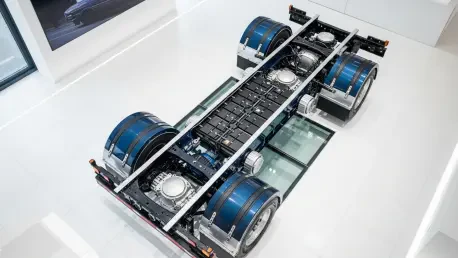
Modern electric heavy duty trucks have transitioned from experimental prototypes to robust logistical assets. At their core, these vehicles utilize massive lithium-ion battery arrays to power high-torque electric motors, eliminating the tailpipe emissions that have historically plagued the logistics sector. The emergence of these vehicles is a response to both tightening environmental regulations and the urgent corporate need to decarbonize supply chains. This shift is not merely about swapping fuel sources; it is a fundamental reimagining of vehicle architecture that optimizes energy recovery through regenerative braking and simplifies mechanical maintenance.
The relevance of this technology in the broader landscape is profound. As urban centers implement stricter low-emission zones, electric trucks provide a viable pathway for companies to maintain operations without incurring heavy penalties. This evolution is driven by a convergence of improved energy density in battery cells and a societal push toward carbon neutrality. Consequently, the heavy duty electric vehicle has become a cornerstone of the green industrial revolution, proving that even the most demanding transport tasks can be achieved without fossil fuels.
Technical Specifications and Infrastructure Integration
High-Performance Electric Powertrains and Fleet Configuration
The heart of the modern electric truck, such as the Volvo FM Electric, lies in a powertrain designed to deliver instant torque, which is essential for hauling heavy construction materials or industrial goods. Unlike diesel engines that require complex gearing to reach peak power, electric motors provide maximum pull from a standstill. This capability simplifies the transmission system and reduces the number of moving parts, which inherently lowers the probability of mechanical failure. For fleet operators, this translates to higher uptime and a more predictable maintenance schedule.
In the context of fleet configuration, the versatility of these units allows for various chassis setups, including tractor units for long-distance hauling and rigid trucks for local distribution. The integration of advanced battery management systems ensures that power is distributed efficiently, maximizing the range even under heavy loads. This technical sophistication makes electric trucks a superior alternative to traditional vehicles in environments where stop-and-go traffic is common, as they recover energy during every deceleration phase, something a diesel engine simply cannot do.
Advanced Charging Solutions and On-Site Infrastructure
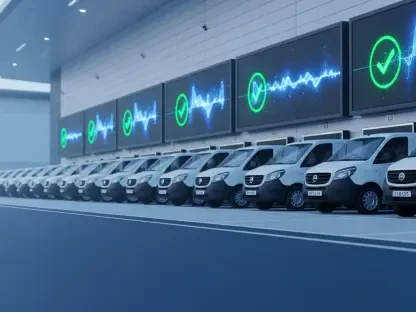
The successful deployment of electric freight hinges entirely on the sophistication of the supporting charging infrastructure. High-capacity charging stations, developed in partnership with energy specialists like GRIDSERVE, now allow these massive vehicles to reach an 80% charge in approximately 90 minutes. This speed is critical for maintaining the high-frequency delivery cycles required by modern industries. By establishing dedicated supercharging hubs at central distribution points, companies can implement a “back-to-base” model that ensures vehicles are always ready for their next mission without relying on the still-developing public charging network.
This on-site infrastructure serves as more than just a power source; it is a strategic logistical node. By integrating smart charging software, operators can balance the load on the local electrical grid, charging vehicles during off-peak hours to reduce costs. This level of control is something that fuel-based logistics never offered. The ability to generate or store energy on-site via solar arrays or stationary batteries further enhances the resilience of the system, making the transition to electric power a holistic upgrade to the traditional fueling paradigm.
Emerging Trends and Strategic Decarbonization Initiatives
The heavy transport industry is currently witnessing a shift toward large-scale demonstrator programs that test the limits of electric scalability. Recent initiatives, such as the UK’s Zero Emission HGV & Infrastructure Demonstrator, have moved the conversation from “if” to “how fast.” We are seeing a trend where competitors and partners are forming ecosystems to share the risk of infrastructure investment. This collaborative approach is accelerating the development of Megawatt Charging Systems, which aim to reduce charging times to match the duration of a mandatory driver rest break.
Furthermore, industry behavior is shifting toward data-driven decarbonization. Companies are no longer satisfied with vague sustainability claims; they are demanding precise metrics on carbon reduction. The move toward electric fleets allows for granular tracking of energy consumption and emissions savings, providing transparent data for environmental audits. This trend is influencing the design of the trucks themselves, with manufacturers focusing on aerodynamic improvements and lightweight materials to squeeze every possible mile out of the battery capacity.
Real-World Implementation in the Construction Logistics Sector
The construction sector has become an unexpected leader in the adoption of electric heavy goods vehicles. Companies like Saint-Gobain are integrating these trucks into their daily operations to transport heavy building materials such as gypsum. In Nottinghamshire, a fleet of electric trucks is performing multiple delivery cycles per day, proving that zero-emission vehicles can handle the rigorous demands of industrial hauling. This implementation is particularly notable because it involves heavy loads and tight schedules, which were once considered the exclusive domain of high-displacement diesel engines.
What makes this use case unique is the specialized nature of the equipment and the predictability of the routes. By servicing specific hubs, the trucks can operate within a “closed-loop” system that minimizes range anxiety. This successful deployment serves as a blueprint for other heavy industries, demonstrating that with the right infrastructure and route planning, electric trucks can match the operational cadence of their fossil-fuel predecessors. The construction sector’s move toward electrification is a powerful signal that the technology is ready for the most taxing logistics challenges.
Overcoming Operational and Technical Hurdles
Despite the progress, significant hurdles remain, particularly regarding the initial capital expenditure and the weight of battery packs. The high cost of electric trucks remains a barrier for smaller operators who lack the capital of multinational corporations. Additionally, the weight of the batteries can reduce the total payload capacity of the vehicle, a critical factor in a sector where every kilogram of cargo counts toward profitability. Regulatory frameworks are evolving to allow for higher weight limits for zero-emission vehicles, but this adjustment is not yet universal.
Technical development is focused on mitigating these limitations through the introduction of solid-state batteries and more efficient motor designs. There is also the challenge of the “charging desert” in remote areas, which limits the flexibility of electric trucks for long-haul, non-repeating routes. Ongoing research into hydrogen fuel cells as a complementary technology for long-distance travel is one way the industry is looking to address the limitations of pure battery-electric systems. Overcoming these obstacles requires a combination of government subsidies, technological innovation, and a reimagining of traditional logistics routes.
The Future of Zero-Emission Heavy Goods Vehicles
Looking toward the coming years, the trajectory of electric heavy duty transport points toward total autonomy and seamless grid integration. We will likely see trucks that not only transport goods but also act as mobile energy storage units, capable of feeding power back into the grid during peak demand. This “Vehicle-to-Grid” capability could turn logistics fleets into a vital component of national energy security. Furthermore, as battery costs continue to decline through economies of scale, the total cost of ownership for electric trucks is expected to drop below that of diesel vehicles by the late 2020s.
The long-term impact on society will be a drastic reduction in noise and air pollution along major transit corridors. This will enable more nighttime deliveries in urban areas, potentially reducing daytime traffic congestion. As the technology matures, we can expect to see a shift in the labor market as well, with a growing demand for technicians skilled in high-voltage systems and software diagnostics. The heavy duty truck of the future will be a sophisticated, silent, and data-rich machine that serves as the backbone of a circular, sustainable economy.
Conclusion and Overall Assessment
The transition to electric heavy duty vehicles proved to be a pivotal shift in the history of industrial logistics. The review of current deployments and technical specifications revealed that the technology was capable of replacing diesel in high-frequency, regional applications. While the challenges of infrastructure and weight remained significant, the operational data showed a clear path toward scalability. The partnership between manufacturers, logistics providers, and energy firms created a viable ecosystem that moved beyond the limitations of individual components.
Ultimately, the move toward zero-emission freight was judged as both a technical success and a strategic necessity. The elimination of thousands of tonnes of carbon emissions demonstrated the environmental potential, while the increased mechanical reliability offered a compelling business case. The heavy duty electric truck established itself not just as a cleaner alternative, but as a superior tool for the modern age, setting a new standard for how the world moves its most essential goods.