
The global supply chain no longer rewards those who simply move the most weight; it now belongs to the architects of precision who can navigate a world of shifting trade lanes and tightening capacity with surgical accuracy. As the air logistics sector moves away from the reactive, volume-heavy strategies of the early 2020s, a new standard for excellence has emerged. This shift is defined by “disciplined and purposeful growth,” a philosophy that replaces the chaotic pursuit of market share with a rigorous focus on high-value reliability. At the center of this transformation is Etihad Cargo, which has effectively decoupled its performance from the typical volatility of the general cargo market by anchoring its future in a highly integrated, hub-centric ecosystem.
This evolution represents a departure from the traditional model of decentralized expansion. Instead of spreading resources thin across a global map, the emphasis is now on the strength of the home base and the ability to handle complex, time-sensitive shipments with absolute certainty. For stakeholders across the globe, the priority has moved from seeking the lowest cost per kilogram to finding a partner that offers “Cargo with Conviction.” By leveraging the unique infrastructure of Abu Dhabi, the carrier is not just participating in global trade; it is actively shaping the resilience of modern supply chains through a blend of physical infrastructure and digital intelligence.
Beyond the Pandemic: A New Era of Disciplined Air Logistics
The air cargo industry has officially transitioned from the frantic, volume-chasing reactive measures of recent history into a sophisticated phase of growth that prioritizes quality over quantity. While many carriers are still grappling with uneven capacity returns and geopolitical shifts, the current landscape requires a strategic pivot toward stability. This change is not merely a response to market cooling but a deliberate move away from commoditized lift toward a strategy anchored in precision. By focusing on core strengths, the goal is to create a network that can withstand external shocks while delivering consistent value to high-priority sectors.
In this environment, success is measured by the ability to remain agile despite aircraft delivery delays and fluctuating yields. The traditional model of decentralized network expansion is proving insufficient for the demands of modern commerce. A carrier’s ability to remain competitive depends heavily on the strength of its primary hub and its capability to handle high-value cargo with total visibility. Understanding how an integrated ecosystem functions provides a blueprint for navigating a landscape where a single delay at a transit point can trigger a cascade of failures across multiple continents, threatening the integrity of global medicine and technology distributions.
Why Integrated Ecosystems Define Modern Trade Resilience
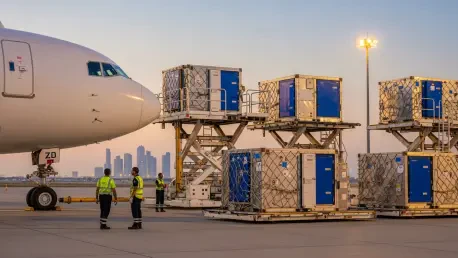
The symbiotic relationship between aviation and local infrastructure in Abu Dhabi creates a cross-sector alignment that goes far beyond basic airport operations. By integrating with local healthcare, manufacturing, and government entities, the airline ensures that its network expansion is backed by domestic industrial demand and favorable regulatory frameworks. This alignment allows for exceptionally short transfer times, which serve as a critical performance indicator for time-sensitive shipments. When the carrier, the ground handler, and the local authorities move in lockstep, the entire hub becomes a frictionless gateway for global trade.
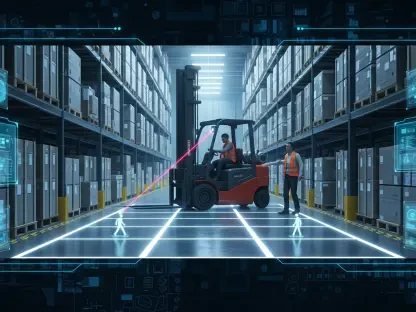
Central to this reliability is the 24/7 Operations Control Centre (OCC), which serves as the “brain” of the entire network. This facility provides real-time oversight, allowing the carrier to move from reactive troubleshooting to proactive intervention. By predicting risks before they manifest, a carrier maintains a competitive differentiator in service quality that larger, more cumbersome competitors often struggle to replicate. This “centralized intelligence” model ensures that every shipment is monitored with the same level of scrutiny, regardless of its destination, turning operational data into a strategic asset that builds long-term customer trust.
Core Pillars of the Hub-Centric Strategy
High-value verticals have become the primary focus, as the industry intentionally pivots toward specialized logistics sectors that require more than just space in a cargo hold. In the pharmaceutical sector, leveraging a robust healthcare ecosystem allows for world-class, temperature-controlled life science logistics. These shipments are not just boxes; they are critical medical supplies that require a cold chain that never breaks. By treating these goods with specialized care, the carrier moves beyond being a transport provider and becomes a vital link in the global healthcare infrastructure.
E-commerce and perishables similarly benefit from this specialized approach. As digital trade continues its structural shift toward cross-border fulfillment, speed and visibility have become the new currency for small and medium-sized enterprises and global integrators alike. Meanwhile, the perishables sector relies on hub efficiency to ensure that fresh goods reach their final destination with minimal loss of shelf life. By prioritizing these specific sectors, the strategy ensures that the aircraft are filled with high-yield, mission-critical cargo that commands a premium and remains resilient even when general consumer demand fluctuates.
Digital Innovation and Strategic Partnerships
Digital transformation is no longer just about end-to-end visibility; it is about predictive intelligence that anticipates the needs of the supply chain. Through advanced tools like SmartTrack, the industry is utilizing AI to foresee disruptions before they impact the schedule. This transition from reactive to predictive logistics addresses the industry-wide pain point of fragmented data, offering customers a level of transparency that is often more valuable than the transport price itself. When data becomes a predictive tool, the carrier can offer a guarantee of performance that was previously impossible in the volatile world of air freight.
To overcome the ongoing global delays in new-generation aircraft manufacturing, smart partnerships have become a necessity for scaling capacity without excessive capital expenditure. Collaborative agreements with regional leaders, such as SF Airlines, allow a carrier to access localized strengths and maintain service quality despite manufacturing bottlenecks. This flexible approach ensures that the organization remains agile, scaling operations based on actual market conditions rather than being tied down by fixed assets. By sharing capacity and infrastructure, the industry creates a more interconnected and resilient network that can adapt to sudden shifts in trade lanes.
Frameworks for Implementing Purposeful Growth
Sustainability has evolved from a peripheral concern to a central operational pillar that influences every strategic decision. The focus remains on immediate efficiencies through fleet renewal and transparent carbon reporting for corporate clients who are increasingly under pressure to green their own supply chains. Looking further ahead, the exploration of future technologies, including autonomous systems and hybrid Vertical Take-Off and Landing (VTOL) aircraft, prepares the industry for a decarbonized logistics future. These innovations are not just environmental goals; they are the keys to future operational efficiency in an increasingly regulated world.
Implementing this growth requires a careful alignment of capacity with infrastructure readiness. To avoid the pitfalls of over-expansion, growth must be synchronized with the physical and digital tools available at the hub. Carriers must prioritize lanes where they can guarantee service levels, rather than simply chasing high-volume routes that lead to operational bottlenecks. This measured expansion protects the brand’s reputation and ensures that the human expertise within the Operations Control Centre is never overwhelmed by sheer volume. Ultimately, the successful integration of technology and human insight provides a level of resilience that technology alone cannot provide.
The shift toward hub-centric integration proved that the future of air cargo was not found in the size of the fleet, but in the intelligence of the network. By aligning infrastructure with digital innovation and specialized cargo needs, the logistics industry redefined what it meant to be a global carrier. Moving forward, the industry adopted a framework of measured growth that prioritized long-term stability over short-term gains. This strategy prepared organizations to handle the complexities of a decarbonized economy while maintaining the agility needed to bypass manufacturing delays through collaborative partnerships. Strategic resilience became the new benchmark, ensuring that the global flow of essential goods remained uninterrupted by the volatility of the modern age.