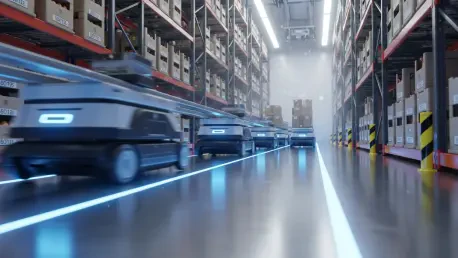

The sound of a chilled warehouse is usually defined by the low hum of refrigeration units, but today it is punctuated by the swift, silent movement of autonomous robots racing against the ticking clock of food safety. For HelloFresh, the ability of a robot to maintain peak performance while operating in a permanent deep-freeze determines whether a customer receives a diverse, fresh meal kit or a limited selection of shelf-stable goods. By deploying specialized autonomous mobile robots, the meal-kit giant reduced mission times to just three minutes and 36 seconds, proving that extreme speed and precise temperature control are no longer mutually exclusive.
This shift represents a fundamental change in how perishable goods move through the supply chain. Rather than relying on massive, slow-moving systems, the focus shifted toward agility and the preservation of ingredient integrity. Maintaining such a high standard requires a seamless integration of technology and logistics, ensuring that every second saved contributes to the overall freshness of the final product delivered to the consumer doorstep.
The Operational Hurdles of Traditional Cold Storage Environments
Cold-chain logistics historically acted as a graveyard for standard automation because sub-zero temperatures rapidly drain batteries and cause mechanical components to seize. Most warehouse operators previously faced a binary choice: rely on manual labor, which is notoriously difficult to retain in harsh environments, or install rigid, fixed conveyor systems that are expensive and impossible to reconfigure. These limitations created a significant bottleneck, preventing meal-kit providers from scaling their inventory to meet the growing demand for specialized, fresh diets.
The physical toll on equipment in these zones is immense. Lubricants thicken, and electronics often fail due to condensation or extreme thermal contraction. Consequently, many facilities remained manual out of necessity, which restricted the variety of items they could effectively manage. This operational friction hindered the ability to introduce new SKUs quickly, as every additional item increased the complexity and labor requirements within the refrigerated zones.
Engineering for Extremes: Specialized Hardware and SKU Expansion
The collaboration between HelloFresh and Locus Robotics centers on the Locus Origin AMR, which underwent significant mechanical modifications to survive chilled zones. By incorporating heated motor enhancements and internal temperature management, these robots charge and operate entirely within refrigerated spaces, eliminating the need to cycle out of the cold for maintenance or power. This technical breakthrough allowed HelloFresh to quintuple its chilled SKU capacity from 100 to 500, directly supporting a wider range of offerings for brands like Factor and EveryPlate.
Engineering for these extremes required a rethink of the robot internal climate. By keeping the core components warm while the exterior navigates the chill, the system maintains consistent uptime. This expansion of SKU capacity means that customers now choose from a much larger menu, reflecting the sophisticated inventory management that only specialized automation can provide. The ability to keep more fresh ingredients on hand without increasing the footprint of the facility transformed the business model.
Performance Benchmarks: The Factor Pilot and Real-World Results
During a high-stakes pilot in July 2025, the integrated fleet of autonomous mobile robots demonstrated a level of precision that far exceeded traditional third-party logistics standards. While typical industry benchmarks measure fulfillment windows in hours, the system achieved order induction to drop-off in a fraction of that time across 12,000 square feet of fulfillment space. This speed became a critical food safety component, ensuring that perishable items spent the absolute minimum amount of time in transit within the warehouse environment.
Efficiency in these high-speed picking lines allowed for a more responsive supply chain. The data gathered during the pilot showed that the robots could handle complex routes without the delays associated with human navigation in cold suits. This precision meant that the facility could handle higher volumes during peak order cycles without requiring additional floor space. The transition from induction to the packing station happened so rapidly that it effectively mitigated the risk of temperature fluctuations for the most sensitive ingredients.
Implementing a Modular Framework for Agile Grocery Fulfillment
To replicate this level of scalability, organizations shifted from fixed integrated systems to a software-driven, modular approach. HelloFresh utilized virtual testing to validate the workflow before the first robot even arrived on-site, which allowed for full deployment in just a few days. This strategy prioritized flexibility, as individual robots were added to picking lines during peak seasons without disrupting existing production or requiring massive capital expenditures for floor-bolted machinery.
The move toward agile grocery fulfillment established a new blueprint for the industry. Operators recognized that the future of cold-chain logistics lay in the ability to scale up or down based on real-time demand rather than static infrastructure. Industry leaders looked toward expanding these robotic fleets into even more challenging environments, such as blast freezers, to further enhance the resilience of the global food supply chain. This transition emphasized that the ultimate goal remained the delivery of high-quality nutrition through a more sustainable and efficient technological framework.