
Imagine a comforting plate of chicken tikka masala, a beloved British staple, sitting on your dinner table, its rich aroma wafting through the air. Beneath the surface of this seemingly simple ready meal lies a web of global connections so intricate that a single hiccup—be it a storm in Southeast Asia or a trade dispute in Europe—could disrupt its journey to your plate. A groundbreaking study by researchers at Cranfield University has peeled back the layers of this popular dish’s supply chain, uncovering the hidden vulnerabilities faced by small and medium-sized enterprises (SMEs) in the food industry. By examining the sourcing of over 20 ingredients and packaging materials from 36 countries for a single ready meal, this research shines a spotlight on the fragility of modern supply chains. It’s a stark reminder that even everyday products are tethered to a volatile global network, where risks loom large and resilience is often just out of reach.
Unpacking the Complexity of a Simple Dish
Global Sourcing and Hidden Fragility
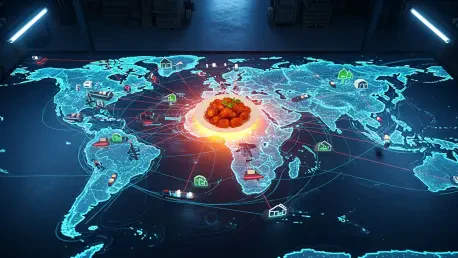
The journey of a ready-made chicken tikka masala begins far beyond the kitchen, stretching across continents to source everything from spices to packaging. With over 20 components coming from 36 different countries, the supply chain for this dish is a labyrinth of dependencies. The Cranfield University study reveals how each link in this chain—whether it’s a farmer in India supplying turmeric or a packaging manufacturer in South America—represents a potential breaking point. Extreme weather, geopolitical tensions, or even cyber-attacks can halt production or delay shipments, leaving SMEs scrambling to keep shelves stocked. What’s striking is how a product so familiar to consumers hides such complexity, exposing businesses to risks they often can’t control. For smaller companies, the challenge isn’t just navigating these global networks; it’s doing so with limited resources and bargaining power, making every disruption a potential catastrophe that ripples through their operations.
The Domino Effect of Disruptions
When a single ingredient for chicken tikka masala is delayed or unavailable, the impact isn’t isolated—it cascades through the entire supply chain. Imagine a delayed shipment of tomatoes due to a port strike in a distant country; suddenly, production slows, retailers face shortages, and consumers turn to competitors. The research highlights how SMEs, unlike larger corporations, often lack the financial cushion or alternative suppliers to weather such storms. This vulnerability is compounded by their reliance on international networks, where even minor hiccups can escalate into major crises. Moreover, the study points out that while these businesses may excel at reacting to immediate problems, they struggle to anticipate or prevent future ones. The lesson here is clear: a seemingly small glitch in sourcing can unravel an entire operation, emphasizing the urgent need for strategies that don’t just patch up issues but fundamentally strengthen the supply chain against inevitable global shocks.
Building Resilience in a Volatile World
Balancing Robustness and Recovery
Resilience in supply chains isn’t just a buzzword—it’s a lifeline for SMEs producing goods like ready-made chicken tikka masala. The Cranfield study identifies robustness and recovery as two pillars businesses lean on when disruptions strike. Robustness means designing systems to withstand shocks, such as diversifying suppliers to avoid over-reliance on a single source. Recovery, on the other hand, focuses on bouncing back quickly after a setback, often through contingency plans or stockpiling critical ingredients. However, the research notes that SMEs often prioritize these immediate fixes over long-term adaptation due to tight budgets and limited manpower. While these tactics can keep a business afloat during a crisis, they don’t address the root causes of vulnerability. The challenge lies in finding a balance—investing in prevention without draining resources, and ensuring recovery efforts don’t become a cycle of temporary solutions that leave deeper weaknesses unchecked.
The Overlooked Power of Reorientation
Beyond short-term fixes, the concept of reorientation emerges as a game-changer for supply chain resilience, though it’s often sidelined. Reorientation involves rethinking and restructuring operations for future stability—think shifting to local suppliers or adopting new technologies to track supply risks. The study’s lead researcher emphasizes that while this approach holds immense potential to prevent recurring disruptions, it demands significant time, money, and expertise—resources many SMEs simply don’t have. Larger companies might absorb these costs, but smaller players face a steep uphill climb, often stuck in a reactive mode. What’s more, power imbalances in supply chains worsen this struggle, as SMEs are frequently outmaneuvered by bigger buyers during shortages. The takeaway is sobering: without a focus on reorientation, businesses risk being perpetually caught off guard, unable to break free from a pattern of crisis and patchwork recovery that undermines their long-term survival.
Final Thoughts: A Recipe for Stronger Supply Chains
Reflecting on the insights from this study, it’s evident that the vulnerabilities exposed through the lens of a humble ready meal carried profound implications for SMEs. The intricate dance of sourcing ingredients across the globe for chicken tikka masala mirrored the broader fragility many businesses grappled with in an unpredictable world. Looking back, the emphasis on immediate recovery and robustness often overshadowed the critical need for forward-thinking adaptation. Moving forward, the path to resilience must involve a shift in mindset—prioritizing strategic reorientation even when resources are scarce. Industry leaders and policymakers could play a pivotal role by supporting smaller enterprises with tools, funding, or partnerships to rethink their supply networks. Ultimately, the story of this dish served as a powerful call to action: fortify supply chains not just to survive the next disruption, but to thrive in spite of it, ensuring that everyday comforts remain within reach no matter the global challenges ahead.