
The traditional image of a warehouse as a chaotic hub of manual labor is rapidly being replaced by a sophisticated ecosystem where machines communicate with the fluid precision of a biological swarm. Toyota Material Handling Europe has moved to the forefront of this transformation by introducing its Swarm Automation Transport solution, a framework that moves beyond simple automation toward a truly scalable and intelligent logistical network. This system is not merely about replacing human drivers with robots; it represents a fundamental shift in how material handling is perceived, focusing on flexibility and the ability to adapt to the unpredictable surges of modern commerce.
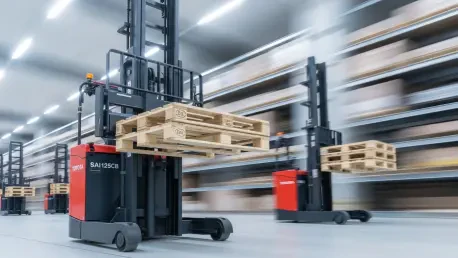
As logistics complexities grow, the need for a cohesive control strategy becomes paramount. The integration of the SAI125CB Automated Counterbalance Stacker into the T-ONE Control System creates a unified environment where diverse hardware components work in concert rather than in isolation. This setup addresses the high-stakes demands of the current market by providing a clear path for businesses to transition from manual operations to fully optimized, data-driven workflows without disrupting their existing infrastructure.
The Strategic Importance of Implementing Swarm Intelligence
Transitioning to intelligent automated systems is no longer a luxury but an essential move for any warehouse management team aiming to remain competitive. Swarm logic allows for a level of coordination that traditional automation fails to reach, ensuring that every vehicle in the fleet understands its position relative to others. By adopting this intelligence, facilities can achieve a significantly higher throughput while virtually eliminating the human errors that lead to goods damage and workplace accidents.
Moreover, the implementation of swarm technology allows for a more strategic allocation of human labor. Instead of performing repetitive and physically taxing transport tasks, employees can focus on high-value roles that require problem-solving and oversight. This shift reduces operational bottlenecks and improves overall cost-efficiency, as the system constantly calculates the most effective paths and task assignments to keep the supply chain moving without hesitation.
Best Practices for Integrating Swarm Technology into Warehouse Operations
Leveraging the T-ONE Control System for Fleet Orchestration
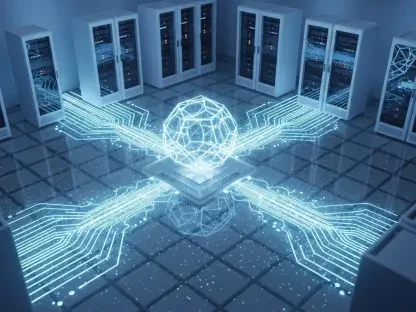
Effective fleet orchestration begins with the deployment of the T-ONE software, which acts as the central nervous system for the entire operation. This platform does more than just track vehicles; it integrates the Toyota SAI125CB with the facility’s Warehouse Management System to synchronize every movement. To ensure a seamless traffic flow, managers should utilize the software to define priority zones and dynamic routing, which allows automated guided vehicles to navigate around manual trucks without causing delays.
Case Study: Optimizing Multi-Pallet Handling in Retail Distribution
In a recent application within a large-scale retail distribution center, the T-ONE system was used to manage a complex mix of Euro and bottom-deck pallets. By utilizing the software’s ability to recognize and sort different pallet types in real time, the facility managed to reduce sorting errors by nearly thirty percent. This precision allowed the facility to maintain a high pace of fulfillment even during peak seasonal demands, proving that software-led orchestration is the key to handling logistical variety.
Implementing a Hybrid Workflow with Automated Counterbalance Stackers
The SAI125CB stacker excels in specialized procedures, particularly when dealing with turned pallet loading at mid-lift heights. Integrating these automated units into a hybrid workflow means they can take over the most repetitive replenishment tasks between production lines and storage zones. Best practices involve setting up these stackers for independent storage tasks up to five meters, allowing them to operate in the same aisles as manual reach trucks without requiring a complete floor plan overhaul.
Real-World Application: Streamlining Buffer Management in Manufacturing
An industrial manufacturing site successfully utilized swarm technology to automate the constant flow of components to assembly lines. By using the automated stackers to manage buffer areas, the site eliminated the wait times that previously plagued their production cycles. The robots worked autonomously to keep the lines fed, demonstrating how specialized hardware can act as a bridge between high-density storage and active manufacturing zones.
Maximizing Safety and Sustainability Through Sensor Integration
Safety is a foundational element of the swarm philosophy, achieved through the deployment of a 360-degree Personal Protection System. These advanced scanners and bumpers allow robots to work in close proximity to human coworkers by instantly detecting obstacles and adjusting speed or pathing accordingly. Furthermore, the use of lithium-ion battery technology combined with automatic charging stations ensures that the fleet remains operational with minimal energy overhead and zero downtime for manual refueling.
Case Study: Enhancing Workplace Safety in High-Volume E-Commerce Hubs
A fulfillment center specializing in high-volume e-commerce implemented these sensor-driven safety protocols to protect its workforce during 24-hour operations. The integration of advanced scanners prevented several potential collisions in high-traffic intersections, which significantly reduced the insurance costs and equipment downtime associated with manual accidents. This proactive approach to safety not only protected the staff but also fostered a more reliable and predictable operating environment.
Scaling Operations Through Vertical Synchronization
The true power of swarm technology is realized when stackers are synchronized with automated reach trucks to tackle high-density storage challenges. While stackers handle the lower-level movement, they can hand off loads to reach trucks capable of soaring up to 12 meters. This vertical synchronization is vital for facilities looking to expand their capacity within the same physical footprint, as it optimizes every cubic inch of available space through a tiered automation strategy.
Example: Vertical Space Optimization in Food Logistics
In the demanding environment of cold-storage food logistics, vertical space is a premium asset. A facility demonstrated that by synchronizing its swarm fleet, it could maximize its vertical square footage without the need for expensive structural expansions. The automated units managed the transition from receiving docks to high-rack storage with such efficiency that the facility increased its total pallet capacity by twenty percent while maintaining the strict temperature controls required for their inventory.
Final Evaluation: Is Swarm Automation the Right Investment?
Adopting Toyota’s flexible and logically structured automation framework provided a clear return on investment for those who prioritized infrastructure readiness. The transition required a shift in mindset, moving away from isolated machinery toward an interconnected ecosystem that valued data as much as physical movement. Leaders in e-commerce and manufacturing found that the modular nature of the swarm allowed them to start small and expand their automated fleet as demand grew, making the initial capital expenditure more manageable.
Successful implementers moved beyond the pilot phase by focusing on the long-term ROI of high-performance systems, such as reduced energy consumption and lower maintenance costs. The journey toward a fully automated warehouse proved that the most effective path involves a balance of sophisticated software, versatile hardware, and a commitment to safety. Future considerations for logistics managers should involve evaluating how these synchronized flows can be further integrated with global supply chain data to create a truly predictive and self-optimizing operation.