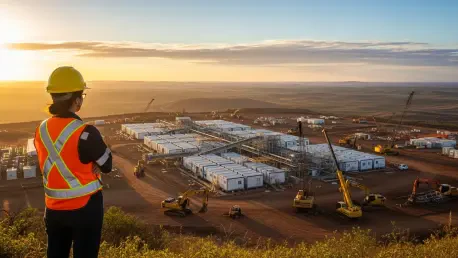

As the global demand for lithium continues to surge, driven by the electric vehicle revolution and energy storage solutions, the race to bring new, reliable sources of this critical mineral to market has become more intense than ever. In this high-stakes environment, junior mining companies face immense pressure to transition from exploration and development to full-scale production efficiently and cost-effectively. Atlas Lithium Corporation has recently signaled a major step forward in this journey, advancing its flagship Neves Project, strategically located in Brazil’s burgeoning Lithium Valley, by entering the final stages of a critical contracting process. This move is not just a procedural step but a clear indication of a disciplined strategy aimed at accelerating the project’s timeline and de-risking the complex path to becoming a significant lithium concentrate producer. The company is now on the cusp of transitioning from meticulous planning to full-scale execution, a pivotal moment for any resource developer.
A Disciplined Approach to Project Execution
A cornerstone of Atlas Lithium’s strategy involves the engagement of a specialized firm to provide comprehensive project management and construction supervision, a move designed to instill professional oversight across all facets of the build-out. The scope of this forthcoming contract is extensive, encompassing the detailed planning, coordination, continuous monitoring, and strict control of the entire project execution. The primary objective is to ensure that the development of the Neves Project adheres rigorously to its established schedule, budget, scope, and the highest standards of quality and safety. The selected partner will work in close collaboration with Atlas Lithium’s own management team, creating a synergistic framework for decision-making and problem-solving. This methodical approach reflects a commitment to operational excellence and risk mitigation, ensuring that every phase of construction is managed by seasoned experts with a deep understanding of large-scale industrial projects. By delegating this critical function to a top-tier firm, the company aims to optimize resource allocation and maintain a sharp focus on its core objective: bringing a high-quality lithium product to market as swiftly as possible.
The selection of a project management partner was the result of an exhaustive and highly competitive due diligence process, which itself speaks to the perceived quality and attractiveness of the Neves Project. Atlas Lithium evaluated five experienced firms, each with a significant footprint in the industry, underscoring the depth of interest from qualified contenders. The selection criteria were exceptionally stringent, focusing on a combination of technical excellence, a proven and verifiable track record in successfully delivering similar large-scale mining projects within Brazil, and the sophistication of their proposed project management methodologies and systems. Furthermore, a heavy emphasis was placed on the qualifications and experience of the technical teams proposed by each candidate. This meticulous vetting process serves as a foundational element of the company’s risk-mitigation strategy, ensuring that its chosen partner not only possesses the requisite skills but also aligns with its commitment to disciplined and transparent execution. This careful selection is designed to prevent common pitfalls that can plague large construction projects, such as budget overruns and schedule delays.
De-Risking the Path to Production
A significant factor that distinguishes the Neves Project from many other development-stage lithium assets is its advanced state of readiness, which has been achieved through proactive and strategic planning. Unlike competitors who are still in the procurement and logistics phase, Atlas Lithium has already purchased and successfully delivered its modular lithium processing plant to Brazil. The plant is currently staged and ready for assembly and subsequent pre-operational testing, a milestone that dramatically reduces a major variable in the project timeline and mitigates potential supply chain disruptions. This forward-thinking move, combined with the fact that the company has already secured key environmental and installation permits, substantially de-risks the project’s path to production. With these critical logistical and regulatory hurdles already cleared, the company is positioned to move seamlessly into the next phase. The formal contract award for management and supervision services, expected in early 2026, will serve as the official trigger for the commencement of the project’s full implementation phase, allowing for an accelerated construction schedule.
While the company’s progress and strategic initiatives paint an optimistic picture, it is crucial to acknowledge the inherent risks and uncertainties associated with any major mining development. The successful execution of the Neves Project is subject to a variety of factors that could cause actual results to differ from current expectations. These forward-looking challenges include the ability to successfully assemble, commission, and operate the processing plant to its designed capacity, as well as the possibility of discrepancies between the estimates laid out in the Definitive Feasibility Study and the actual production levels, mineral reserves, and operational costs realized. Broader risks also come into play, such as those associated with conducting business in Brazil, including regulatory changes and economic shifts. Furthermore, geopolitical events, the availability of sufficient capital for ongoing operations, and competitive pressures within the global lithium market represent external variables that could impact the project’s ultimate success and profitability, adding a layer of necessary caution to the outlook.
Strategic Outlook and Future Milestones
The company’s recent move to finalize the selection of a top-tier project management partner represented a crucial turning point, solidifying its deliberate transition from a planning-focused entity to an execution-driven developer. This decisive action, coupled with the pre-emptive procurement and delivery of its processing plant and the securing of essential permits, effectively placed the Neves Project on a de-risked and accelerated trajectory. The rigorous and competitive selection process not only ensured technical expertise but also served as external validation of the project’s quality and viability, attracting strong interest from industry leaders. By proactively addressing major logistical and regulatory hurdles well in advance, the company meticulously cleared a path toward the formal initiation of its implementation phase, slated for early 2026. This methodical execution strategy was purposefully designed to optimize both cost discipline and schedule adherence, ultimately positioning Atlas Lithium to emerge as a significant new producer of lithium concentrate in the near future.