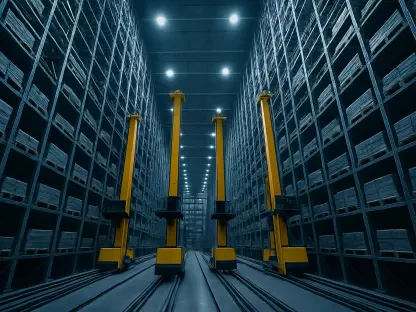

The global supply chain operates on a scale so vast that even a minor mechanical failure in a single load carrier can trigger a cascading series of operational delays and financial losses. Pallets are frequently described as the silent workhorses of international trade, moving millions of tons of cargo daily across various transport modes. However, these essential wooden and plastic structures are subjected to extreme physical stress, including heavy vertical loads, rough handling by forklifts, and fluctuating environmental conditions during transit. When a pallet fails due to a cracked stringer or a protruding nail, the consequences range from damaged inventory to catastrophic automated warehouse jams that can halt production for hours. The industry is currently witnessing a fundamental shift as logistics providers move away from the traditional reliance on manual labor toward sophisticated automated inspection systems that ensure every carrier meets exact safety and quality specifications before it ever enters a high-speed sorting facility.
The Technological Foundation of Modern Inspection
Advanced Sensor Integration and Data Capture
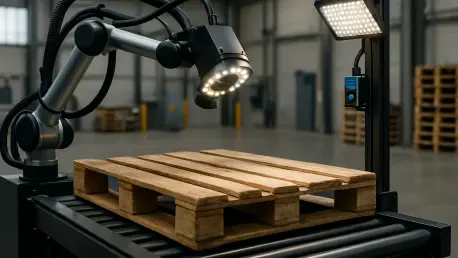
The transition to automated pallet grading is primarily driven by the integration of hybrid sensor arrays that offer a level of scrutiny far beyond human capability. Systems like breeze-PAVE utilize a combination of high-speed laser scanners and optical sensors to perform a comprehensive 360-degree evaluation of the pallet in a fraction of a second. These sensors are strategically positioned to capture high-resolution spatial data from the top deck, the bottom lead boards, and all four lateral sides simultaneously. By projecting laser lines across the surface of the timber or plastic, the system can detect structural deviations as small as a few millimeters. This precision is vital for identifying hairline fractures in blocks or warped boards that might appear stable to a human eye but would likely fail under the weight of a two-ton load. Such a rigorous scanning process ensures that only pallets with verified structural integrity are permitted to proceed through the supply chain, significantly reducing the risk of mid-transit collapse.
Beyond the physical dimensions and structural soundness of the pallet, modern automated systems are equipped to evaluate surface conditions that impact hygiene and safety. Advanced sensors can detect a wide range of contaminants, including chemical residues, oil stains, and moisture levels that could compromise sensitive cargo. For industries such as pharmaceuticals or food and beverage, the presence of even a small amount of paint or a stray piece of cardboard adhered to a pallet can lead to the rejection of an entire shipment. Automated inspection units use brightness and color detection to distinguish between different pooling providers and to assess the “freshness” of the wood. This capability allows companies to automatically sort pallets into different quality grades based on their aesthetic appearance and cleanliness, ensuring that premium-grade carriers are reserved for high-sensitivity applications while older, weathered pallets are diverted to less demanding industrial tasks.
Precision Measurement and Material Verification
The implementation of automated inspection technology also addresses the growing problem of non-standard or counterfeit pallets entering the global pool. Using precise dimensional checking, these systems measure the exact thickness of deck boards and the positioning of stringers to ensure they comply with international standards like those set by EPAL. Even a slight variation in the thickness of a board can cause a pallet to sit unevenly on a conveyor belt, leading to tracking errors in automated storage and retrieval systems. Automation provides a mathematical certainty that every pallet in circulation matches the required geometric profile. This level of detail effectively acts as a gatekeeper, identifying and rejecting “pirate” pallets that lack the structural reinforcement of certified carriers. By maintaining a uniform standard of hardware, logistics providers can optimize their machinery settings for a specific pallet profile, leading to smoother mechanical operations and reduced wear on warehouse infrastructure.
Furthermore, the data captured during the scanning process allows for a detailed analysis of the pallet’s material condition over time. Sensors can identify wood rot, fungal growth, or insect damage that might not be immediately visible on the surface but could compromise the internal strength of the timber. In the case of plastic pallets, the system can detect stress whitening or micro-cracks that indicate the material has become brittle due to UV exposure or extreme cold. This proactive identification of material fatigue allows logistics managers to remove failing units from the cycle before they cause an accident. By collecting this data across thousands of units, companies can also gain insights into the durability of different pallet brands or materials under specific operating conditions. This shift from reactive maintenance to data-driven quality control represents a major evolution in how the industry manages its most basic yet essential physical assets.
Digital Twins and Intelligent Evaluation
From Physical Objects to Actionable Data
A cornerstone of modern pallet inspection is the creation of a “digital twin,” a high-fidelity virtual representation of the physical object generated in real-time. As a pallet moves through the scanning zone, the system captures millions of 3D measurement points to construct a detailed point cloud that mirrors every contour and defect of the actual unit. This digital replica serves as the basis for all subsequent analysis, allowing the software to perform complex calculations without the need for further physical handling. The transition from a physical asset to a digital data point means that the history and condition of a pallet can be stored in a cloud-based database and accessed by stakeholders at any point in the supply chain. This visibility transforms the pallet from a simple wooden platform into an intelligent component of the digital supply chain, enabling more sophisticated tracking and lifecycle management than was ever possible with manual labeling or visual checks.
The software used to evaluate these digital twins is designed with a high degree of flexibility, allowing it to apply different logic sets depending on the specific needs of the operator. For example, a logistics provider might use one set of parameters to identify pallets suitable for a high-tech cleanroom environment while using a more relaxed set for outdoor construction materials. The evaluation happens almost instantaneously, with the software comparing the digital twin against predefined “parameter sets” that define what constitutes a Grade A, B, or C pallet. This eliminates the subjectivity inherent in manual grading, where two different inspectors might categorize the same pallet differently based on their personal experience or fatigue levels. By providing an objective, repeatable metric for quality, automation ensures that every pallet is utilized at its highest and best use, maximizing the value of the pallet pool while minimizing the risk of using sub-standard equipment for critical tasks.
Adaptive Sorting and Compliance Monitoring
The intelligence of these systems extends to their ability to adapt to changing regulatory environments and customer-specific requirements on the fly. In the modern logistics landscape, compliance with international phytosanitary standards, such as ISPM 15, is mandatory for wooden pallets crossing borders. Automated inspection systems can be programmed to look for the specific heat-treatment stamps or markings required by these regulations, flagging any units that lack the proper documentation. If a new regulation is introduced or a customer updates their internal quality standards, the software can be updated remotely across an entire network of inspection units. This ensures that all facilities remain in sync and that quality control remains consistent across different geographic regions. This adaptive capability is particularly valuable for global companies that must navigate a complex web of varying standards while maintaining a unified corporate quality benchmark.
Beyond simple pass-fail metrics, the digital twin approach enables a deeper level of diagnostic analysis that helps companies understand the root causes of pallet damage. By analyzing the patterns of wear and tear recorded in the digital twins, warehouse managers can identify specific points in their conveyor systems or certain forklift maneuvers that are causing excessive damage to the pallet fleet. For instance, if a high percentage of pallets show damage to the lead board at a specific facility, it may indicate that a particular loading dock is misaligned or that operators require additional training. This transformation of pallet inspection from a simple sorting task into a source of operational intelligence allows companies to make data-backed decisions that extend the lifespan of their assets. Ultimately, the integration of digital twins into the logistics workflow creates a feedback loop that improves both the quality of the pallet pool and the efficiency of the entire material handling process.
Operational Efficiency and Integration
Maximizing Throughput and System Connectivity
One of the most significant advantages of automated pallet inspection is its ability to operate at speeds that far exceed any manual process without sacrificing accuracy. In high-volume distribution centers where thousands of pallets are moved every hour, the inspection process must be seamless to avoid becoming a bottleneck. Modern automated units are designed for “on-the-fly” inspection, meaning they can scan and evaluate pallets as they move at full speed along a conveyor line. With the capacity to process over 1,000 units per hour, these systems ensure that the flow of goods is never interrupted for quality checks. The evaluation of each pallet takes less than a second, allowing the sorting mechanism to divert defective units to a repair lane while the high-quality pallets continue toward the loading bays. This high throughput is essential for maintaining the pace of modern e-commerce and retail distribution, where every minute of downtime translates into lost revenue.
The physical design of these systems is also optimized for easy integration into existing warehouse infrastructures, requiring a minimal footprint that belies their technological complexity. Most modern inspection units can be installed over existing conveyor lines with only minor modifications, such as a small gap in the rollers to allow for bottom-side scanning. This ease of installation allows companies to upgrade their facilities without the need for extensive remodeling or lengthy shutdowns. Furthermore, because these systems are natively digital, they are easily linked to warehouse management systems and cloud-based analytics platforms. This connectivity ensures that every scan is recorded and that quality reports are immediately available to managers, even if they are located at a different corporate site. The ability to monitor pallet quality across a global network of facilities in real-time provides a level of transparency that was previously unattainable in the logistics industry.
Streamlining the Maintenance and Repair Cycle
Automation also revolutionizes the way pallets are handled once a defect is identified, turning a chaotic repair process into a structured, data-driven workflow. When the system flags a pallet as “defective,” the digital twin precisely identifies which components need attention, such as a broken block or a missing deck board. This information can be transmitted directly to a repair station, where technicians receive a clear “digital blueprint” of the work required before the pallet even arrives at their bench. This targeted approach eliminates the time spent by workers manually searching for defects, significantly increasing the efficiency of the repair cycle. In some advanced setups, the inspection data can even be used to automate the repair process itself, guiding robotic arms to replace damaged components with surgical precision. This integration of inspection and maintenance ensures that pallets are returned to service as quickly as possible, maintaining the necessary volume of the pallet pool.
In addition to improving individual repair tasks, the aggregate data from automated inspection units allows for more effective inventory planning and procurement. By tracking the rate at which pallets move from Grade A to Grade B and eventually to the repair lane, companies can predict when they will need to purchase new units or schedule bulk maintenance. This predictive capability prevents the sudden shortages of high-quality pallets that often plague logistics operations during peak seasons. Furthermore, the detailed logs of pallet condition can be used to hold pallet pooling providers or suppliers accountable for the quality of the assets they deliver. If a delivery of “new” pallets consistently fails the automated brightness or dimensional checks, the company has objective data to support a claim for replacement or a credit. This systemic approach to pallet management ensures that every dollar spent on load carriers is backed by verifiable data regarding their performance and longevity.
Economic and Interpersonal Impact
Strategic Value and Conflict Resolution
The implementation of automated pallet inspection delivers substantial economic benefits by mitigating the risks associated with equipment failure and operational downtime. A single damaged pallet that breaks apart inside an automated storage and retrieval system can cause damage to the racking, the robotic shuttles, and the surrounding inventory, resulting in repair costs that far exceed the price of an inspection system. By acting as a rigorous filter at the entrance of the warehouse, automation prevents these “invisible” costs from accumulating. Moreover, the precision of 3D scanning technology makes it nearly impossible for counterfeit or substandard pallets to enter the system. These fraudulent units often use inferior materials that appear acceptable to a human eye but fail under load, posing a significant safety risk. Automation protects the company’s financial interests and the physical safety of its employees by ensuring that every asset in use meets the required structural safety margins.
Beyond the purely financial metrics, automation plays a crucial role in resolving the interpersonal conflicts that frequently occur on the warehouse loading dock. Traditionally, the handover of pallets between a truck driver and a warehouse receiver has been a point of friction, with disputes often arising over the condition and grading of the load carriers. One party may claim a pallet is “Grade A,” while the other insists it is “Defective,” leading to heated arguments and delays in the unloading process. Automated inspection provides a neutral, objective “source of truth” that eliminates these subjective disagreements. When the system generates a data-backed report for every delivery, the quality of the pallets is no longer a matter of opinion but a matter of recorded fact. This transparency streamlines the handover process, allowing drivers to move on to their next destination faster and fostering a more professional, collaborative relationship between logistics partners.
Long-Term Sustainability and Resource Management
The shift toward automated inspection also supports broader corporate sustainability goals by maximizing the lifecycle of each pallet and reducing material waste. By identifying and repairing pallets at the earliest sign of wear, companies can prevent minor issues from escalating into unfixable structural failures. This “proactive repair” philosophy keeps pallets in circulation for longer, reducing the demand for new timber and the energy required to manufacture and transport replacement units. Furthermore, the detailed data collected by these systems allows companies to optimize their pallet usage, ensuring that high-quality assets are not wasted on low-impact tasks where older units would suffice. This careful management of resources is becoming increasingly important as the industry faces rising material costs and growing pressure to document the environmental impact of its supply chain operations. Automation provides the granular data necessary to track the carbon footprint and material efficiency of the pallet pool with unprecedented accuracy.
To fully capitalize on these technological advancements, organizations should focus on integrating their automated inspection data into their broader enterprise resource planning and supply chain visibility platforms. The next logical step is to utilize this information not just for sorting, but as a strategic tool for vendor management and facility optimization. Companies should consider establishing standardized digital quality benchmarks across all their locations to ensure a uniform customer experience and operational reliability. Additionally, investing in staff training to interpret and act on the data generated by these systems will be essential for turning raw metrics into actionable operational improvements. As the logistics industry continues to move toward a more digital and automated future, the ability to manage the physical foundation of trade with precision and objectivity will be a key differentiator for successful global enterprises. In conclusion, the adoption of automated pallet inspection has proven to be a transformative investment that enhances safety, eliminates operational bottlenecks, and establishes a transparent, data-driven standard for the global movement of goods.