
A strategic push toward the democratization of construction technology is making high-level quality control tools available to the broader infrastructure and transport sectors. This shift addresses a historical challenge in the building industry where a reliance on subjective human oversight often led to costly errors and safety oversights. In the current landscape of 2026, the transition from manual, paper-based workflows to integrated digital ecosystems is no longer a luxury but a fundamental requirement for large-scale urban development. Hyundai Engineering & Construction is leading this movement by transforming its proprietary smart integrated inspection system into a comprehensive collaboration platform. By facilitating real-time data access for clients, supervisory teams, and subcontractors simultaneously, the organization is effectively breaking down the barriers that once prevented transparent communication. This evolution from a localized internal tool into an industry-wide standard reflects a commitment to operational excellence.
Digital Integration: Field Environments
Transitioning to Paperless Ecosystems
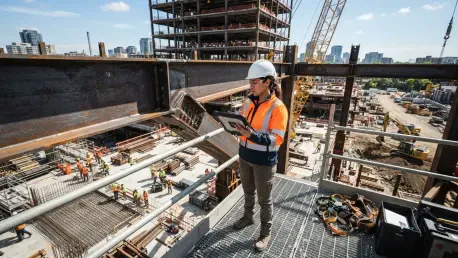
The core of this digital overhaul centers on the Q-Pocket platform, which has evolved from a basic data entry point into a sophisticated analytical engine. This system facilitates a completely contactless and paperless workflow, allowing site personnel to conduct quality inspections and material assessments via mobile devices. By eliminating the need for physical paperwork, the platform significantly reduces the time spent on administrative tasks and minimizes the potential for human error. Furthermore, the real-time nature of the system ensures that all stakeholders have immediate access to updated site reports, which is vital for maintaining project momentum. This transparency allows for the swift identification and resolution of defects before they can impact subsequent construction phases. The standardization of these digital workflows ensures that quality control remains consistent across diverse projects, regardless of their geographic location.
Beyond simple data entry, the system serves as a centralized hub for defect reporting and resolution tracking, creating a clear digital trail of accountability. When a quality issue is identified on-site, it is immediately logged into the platform with accompanying photographic evidence and precise location data. This information is then automatically routed to the responsible subcontractor for correction, while simultaneously notifying the project manager and the client. This level of granular oversight ensures that no detail is overlooked and that every corrective action is verified against established safety standards. As a result, the subjective nature of human inspection is replaced by an objective, data-driven process that prioritizes structural integrity. The integration of such tools signifies a shift toward a more professional and reliable construction sector where high-quality outcomes are the standard expectation for all participants.
Precision Through Real-Time Monitoring
Modern construction increasingly relies on Off-Site Construction techniques, where components are manufactured in a controlled factory environment before being shipped for on-site assembly. To manage this complexity, the smart inspection platform now includes dedicated modules for tracking these factory-produced parts throughout their entire lifecycle. From the moment a component is cast at the factory to its final placement in a structure, its status and quality metrics are logged and monitored. This end-to-end visibility is essential for ensuring that pre-fabricated elements meet the exact specifications required for seamless integration on-site. Any deviations in dimensions or material quality are flagged early in the process, preventing costly delays and ensuring that the final structure adheres to the highest engineering standards. This application of digital tracking provides a level of control that was previously unachievable in traditional projects.
Another significant technological leap involves the use of Intelligent Character Recognition to bridge the gap between traditional field habits and digital requirements. In many cases, field engineers still prefer to make quick handwritten notes while moving through a complex site environment. To accommodate this, the system can automatically digitize these handwritten entries from photographs, integrating them into the formal project database. This capability ensures that valuable field insights are captured without requiring engineers to spend excessive time on manual data entry. Additionally, the system utilizes high-resolution imaging to monitor crack development post-pour, providing a continuous record of the building’s health. By combining human observation with automated data capture, the platform creates a more robust and comprehensive record of the construction process. This hybrid approach respects the practical realities of site work while maintaining the rigorous data standards.
Advanced Analytics: Global Standards
Structural Integrity: Predictive Concrete Data
One of the most critical aspects of structural safety involves the management of concrete quality, which is now overseen by the advanced QCON v3 module. This specialized suite represents years of iterative development, transitioning from simple data collection to sophisticated predictive analytics. By analyzing big data from thousands of previous pours and current ready-mixed concrete shipments, the system can forecast the quantitative strength of the material before it has even fully cured. This predictive capability allows engineers to make informed decisions about the timing of structural loads and the removal of formwork, significantly enhancing both safety and efficiency. This scientific approach to material management replaces traditional guesswork with a reliable, data-driven methodology that ensures every cubic meter of concrete meets its intended design strength. As structural requirements become more demanding, these analytical tools are becoming indispensable.
Environmental factors play a massive role in the curing and longevity of concrete, and the system now addresses this by integrating with public meteorological data. By tracking temperature and rainfall forecasts in real time, project managers can draft pouring and curing plans that are specifically tailored to the expected weather conditions. For instance, the system can suggest specific curing compounds or insulating covers if a period of extreme heat or cold is predicted. This level of environmental coordination is crucial for preventing thermal cracking and ensuring that the concrete reaches its peak durability. Furthermore, the platform can automatically adjust schedules based on weather alerts, ensuring that quality is never compromised for the sake of speed. This proactive management of environmental variables represents a significant evolution in construction planning, where data is used to mitigate the natural risks inherent in large-scale outdoor projects.
Industry Democratization: Future Insights
The strategic decision to license these patented technologies to third-party developers represents a major step toward industry-wide democratization. By sharing these advanced tools, the organization is helping to elevate the safety and quality standards of the entire sector rather than maintaining a closed proprietary advantage. This initiative is further supported by the registration of these systems on government data-sharing portals, making them accessible to a broader range of infrastructure and transport projects. This open-access model encourages smaller firms and subcontractors to adopt smart construction standards, leading to more uniform quality across various types of development. This collaborative approach not only improves public safety but also fosters a more innovative and competitive industry landscape. As more players adopt these standardized digital frameworks, the collective data pool grows, allowing for the further refinement of predictive algorithms and safety protocols for everyone.
As the industry reflected on the progress made during this period of digital expansion, it became evident that the move toward a fully integrated, data-driven ecosystem was essential for modern engineering. Firms successfully implemented strategies that replaced subjective oversight with objective analysis, ensuring that quality benchmarks were consistently met across all active worksites. These actions prioritized the safety of the public and the longevity of infrastructure through the transparent sharing of technology and best practices. To build on this foundation, stakeholders focused on expanding these digital frameworks to include deeper artificial intelligence layers that could automate complex logistical decisions. It was clearly demonstrated that the democratization of construction tech created a more resilient supply chain and a higher standard of structural reliability. By embracing these collaborative frameworks, the sector established a new baseline for excellence that transcended individual company interests.