
Global food supply chains are currently facing an unprecedented level of scrutiny as consumer demand for fresh, high-quality produce remains at an all-time high despite geopolitical instabilities and climate fluctuations. The complexity of transporting perishable goods across vast oceans has historically resulted in significant losses, with nearly one-third of all food produced globally intended for human consumption being wasted or lost before it reaches the table. Within this challenging environment, A.P. Moller-Maersk has pivoted from being a traditional shipping giant to a technology-integrated logistics provider, leveraging the Internet of Things (IoT) to gain absolute control over atmospheric conditions within its refrigerated containers. This transformation addresses the inherent vulnerabilities of the cold chain by replacing manual checks with a constant stream of digital data, effectively turning every shipping unit into a smart node within a global network.
Technical Integration
Remote Monitoring
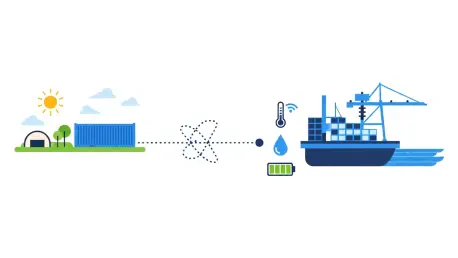
The cornerstone of this technological evolution is the Remote Container Management (RCM) system, which provides real-time monitoring for over 380,000 refrigerated containers across the global fleet. Each unit is equipped with advanced sensors that capture critical parameters such as internal temperature, humidity levels, and oxygen concentrations. This granularity of data allows for immediate intervention if a deviation occurs, preventing the degradation of sensitive cargo like fresh berries or high-value pharmaceuticals. By utilizing satellite and cellular connectivity, the system transmits this information to a centralized cloud platform where algorithms analyze the health of the cargo. Unlike legacy systems that relied on crew members manually logging temperatures every few hours, RCM provides a continuous digital record that ensures transparency from the point of origin to the destination, reducing insurance claims and improving trust between all stakeholders in the chain.
Predictive Repairs
Beyond simple temperature tracking, the current iteration of Maersk’s IoT framework incorporates predictive maintenance capabilities to identify potential mechanical failures before they compromise the cargo. For instance, the system can detect unusual power consumption patterns or vibration anomalies in the refrigeration compressor unit, signaling a need for service at the next port. This proactive approach minimizes the risk of catastrophic cooling loss during long transpacific voyages where technical support is unavailable. Furthermore, the integration of ambient light sensors helps detect unauthorized door openings, adding a layer of security against theft and tampering. As the network matures through 2027 and 2028, these IoT devices are becoming more energy-efficient, drawing power directly from the container’s electrical system while maintaining a battery backup. This reliability ensures the digital twin of each container stays active regardless of the environmental challenges faced.
Strategic Impact
Economic Growth
The financial implications of implementing such a wide-scale IoT infrastructure are profound, as the shift toward data-driven logistics significantly lowers the total cost of ownership for cargo owners. By reducing the volume of spoiled goods, Maersk enables exporters to expand their market reach, shipping delicate items to distant regions that were previously considered too risky for traditional transport. This level of precision allows for the optimization of ripening processes for fruits like bananas and avocados during transit, ensuring they arrive at the distribution center in peak condition. Additionally, the availability of real-time data facilitates better inventory management, as retailers can adjust their shelf-stocking schedules based on the exact arrival time and quality of the incoming shipment. This integration between the physical movement of goods and the digital flow of information streamlines the supply chain, removing bottlenecks and reducing administrative burdens on trade.
Data Resilience
The successful deployment of IoT across the cold chain demonstrated that visibility was the most effective tool for mitigating risk in global trade. It was through the rigorous application of Remote Container Management that stakeholders finally moved away from reactive problem-solving and toward a model of predictive resilience. For businesses looking to mirror this success, the primary takeaway was the necessity of investing in standardized data protocols and robust hardware that can withstand harsh maritime conditions. Looking ahead, the focus must shift to integrating this IoT data with blockchain ledgers to create immutable records of the cold chain’s integrity. Companies should prioritize the training of logistics personnel to interpret complex data streams, ensuring that the human element remains capable of making informed decisions based on the insights provided by automated systems. This evolution showed that the future of logistics belonged to those who treated data as a critical physical asset.