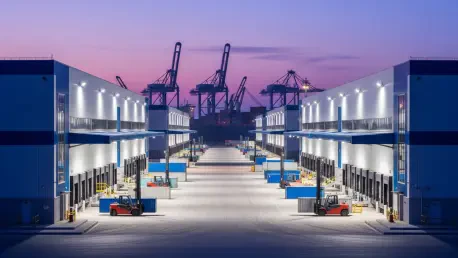

The surge in global trade volume has placed unprecedented pressure on Thailand’s primary shipping arteries, forcing a radical rethink of how goods move from vessel to consumer. SINO Logistics Corporation has responded by shifting from a traditional ocean freight focus to a comprehensive end-to-end supply chain architecture. This transformation is deeply rooted in physical infrastructure located within the Eastern Economic Corridor, specifically near the critical Laem Chabang Port. By establishing a high-density logistics hub that integrates storage, handling, and distribution, the organization has created a model that prioritizes agility and localized expertise. This evolution reflects a broader trend where shipping agencies must become total solution providers to remain competitive. Rather than merely booking vessel space, the strategy now involves managing the entire lifecycle of cargo, ensuring that the transition from maritime transport to inland distribution is seamless.
Strategic Proximity: The Power of Location Near Laem Chabang
The decision to concentrate resources within a narrow radius of Thailand’s primary deep-sea gateway represents a calculated move to minimize the friction points inherent in international trade. By operating multiple warehouse units near the docks, the logistics provider has effectively shortened the drayage distance, which directly translates to lower operational costs and faster container turnaround times. This geographical advantage allows for the rapid evacuation of cargo from the port, bypassing the common bottlenecks associated with long-distance inland trucking. Furthermore, the proximity enables more flexible scheduling for gate-in and gate-out activities, providing a buffer against port congestion that often plagues less strategically placed competitors. The concentration of assets in this specific corridor serves as a high-velocity bridge between global maritime routes and the domestic industrial heartland, creating a synchronized flow of goods that supports the manufacturing demands of modern commerce.
Diversification of storage capabilities has become equally important as physical location, particularly for industries with highly specialized cargo requirements. The expansion includes facilities designed for temperature-controlled goods as well as bonded warehouses for regulated items like alcohol and tobacco. These specialized zones allow for more nuanced inventory management, where environmental conditions and legal compliance are maintained to the highest international standards. Providing such a variety of options under a single operational umbrella eliminates the need for businesses to juggle multiple vendors for different product lines. For instance, a retailer importing both general merchandise and perishable goods can consolidate their entire supply chain within one ecosystem, simplifying billing and oversight. This versatility effectively positions the regional logistics network as a one-stop shop capable of handling everything from heavy industrial machinery to sensitive consumer products.
Digital Transformation: Speed and Visibility in the Modern Era
Complementing the physical expansion, real-time visibility has evolved from a premium feature into a baseline requirement for any enterprise managing complex global distribution networks. At the core of this operational shift is a sophisticated Warehouse Management System that digitizes every aspect of the facility’s workflow, from initial receiving to final dispatch. This system allows operations teams to provide detailed inventory reports within a 24-hour window, drastically reducing the traditional lag time associated with manual data entry and cross-referencing. When clients inquire about their stock levels or order status, the information is readily available in minutes, fostering a level of trust that was previously difficult to achieve in the freight forwarding industry. This digital backbone does more than just track boxes; it provides the analytical data necessary for businesses to optimize their stock-keeping units and improve their overall order fulfillment rates.
Moving beyond internal systems, the integration of client-facing digital portals marks a significant step toward total transparency in the supply chain. These platforms are designed to give exporters and importers direct access to tracking data, eliminating the need for constant phone calls or email chains to verify a shipment’s location. This self-service model is supported by advanced security infrastructure, including high-resolution surveillance systems that maintain an extended history of video footage for every bay and aisle. Such measures provide an additional layer of accountability, ensuring that any discrepancies in cargo handling can be quickly investigated and resolved using verifiable visual evidence. For international partners, this combination of data accessibility and physical security builds a foundation of reliability that is essential for high-value trade. The goal is to create a seamless digital thread that connects the manufacturer, the logistics provider, and the final destination.
Sustainable Practices: The Shift to Green Warehousing
As technological capabilities matured, environmental responsibility became a central pillar of logistics planning as global corporations sought to align their operations with stringent sustainability targets. The adoption of a Green Warehouse model involved a comprehensive overhaul of traditional facility management, starting with energy consumption and waste reduction. One of the most immediate changes was the transition to high-efficiency LED lighting across all storage units, which significantly lowered electricity usage without compromising the safety or visibility of the workspace. Additionally, the replacement of traditional combustion-engine machinery with electric forklifts removed harmful emissions from the indoor environment. These electric vehicles were equipped with specialized non-marking tires, which prevented the buildup of dust and rubber particles on warehouse floors. This small but significant detail was crucial for maintaining the cleanliness required for sensitive products.
Future-proofing the supply chain also involves a long-term commitment to renewable energy sources, with solar panel installations becoming a standard feature for modern logistics hubs. By utilizing vast roof spaces for power generation, facilities can offset a substantial portion of their energy costs while contributing clean electricity back to the local grid. This move toward self-sufficiency is not merely an environmental statement; it is a strategic advantage that attracts multinational clients who are mandated to work only with eco-conscious partners. The integration of environmental, social, and governance principles into the core business model ensures that the logistics provider remains relevant in an increasingly regulated global market. As carbon taxes and environmental reporting become more common, having a pre-certified green infrastructure allows businesses to bypass potential regulatory hurdles and avoid future financial penalties. This proactive approach to sustainability demonstrates that efficiency and ecological stewardship are compatible.
Strategic Growth: Expanding the Regional Logistics Network
Beyond the environmental and digital upgrades, operational excellence in the warehouse is the key driver behind broader retail and production success, as inventory precision directly impacts a company’s bottom line. By focusing on the meticulous accuracy of receiving and packing processes, a logistics partner can enable leaner manufacturing cycles and more responsive market strategies for its clients. Bonded warehouse facilities further enhance this value proposition by allowing importers to defer the payment of duties and taxes until the goods are actually released for domestic consumption. This financial flexibility is vital for companies managing high volumes of international cargo, as it significantly improves cash flow and reduces the upfront capital tied up in inventory. When the physical logistics provider understands these financial nuances, they cease to be just a service provider and instead become a strategic ally in the client’s fiscal planning.
Looking toward the horizon, the focus has shifted toward a massive expansion project aimed at reaching a total capacity of 100,000 square meters of storage space. While the initial concentration has been on the Laem Chabang corridor, the development roadmap includes vital industrial zones such as Bangkok, Samut Prakan, and Rayong. This expansion is designed to create a comprehensive, interconnected network that mirrors the geographical footprint of Thailand’s major manufacturing clusters. By establishing a presence in these varied locations, the logistics provider can offer a more cohesive distribution strategy that covers the entire lifecycle of a shipment from the initial port of entry to the final delivery point. This regional growth strategy ensures that as the Thai economy continues to evolve, the supporting infrastructure will be ready to handle the increased complexity and volume of trade. For businesses operating in Southeast Asia, this means access to a unified logistics platform.
The evolution of the supply chain in Thailand reached a critical juncture where traditional methods were no longer sufficient for the pace of global trade. SINO Logistics pioneered a path forward by integrating massive physical infrastructure with cutting-edge digital transparency and a deep commitment to environmental stewardship. Stakeholders across the industry observed that the move toward high-density hubs near major ports effectively mitigated many of the logistical risks that previously hindered regional growth. Organizations prioritized the adoption of unified digital platforms that provided real-time inventory visibility to eliminate operational silos. It was also essential for companies to audit their logistics partners for green certifications, as sustainable infrastructure became a prerequisite for participating in the global economy. Those that embraced these integrated solutions found themselves better positioned to navigate the complexities of international commerce. Investing in localized expertise and resilient warehouse networks served as the most effective way to ensure long-term stability.