
With decades of experience in management consulting, Marco Gaietti is a seasoned expert in Business Management, specializing in the intricate logistics that power the global automotive industry. Today, we delve into the landmark partnership between the innovative electric vehicle company NIO and the logistics giant DHL, a move set to redefine aftermarket services for EVs in Europe. We will explore the strategic importance of their new logistics hub in the Netherlands, how DHL’s multifaceted divisions unite to create a seamless experience, and what this collaboration signals for the future of user-centric EV ecosystems and their scalability as NIO expands its European footprint.
The DHL automotive campus in Holtum is now central to NIO’s European aftermarket services. How does this specific location’s proximity to major transport corridors improve delivery times, and what are the key steps in the integrated storage and customs clearance process you’ve established? Please provide some details.
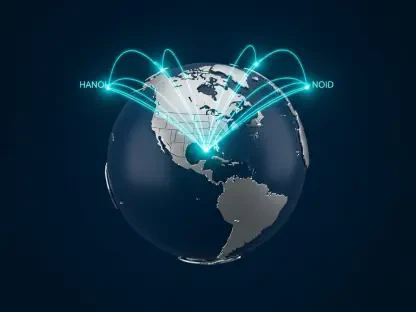
The choice of Holtum is a masterclass in strategic logistics. It’s not just a warehouse; it’s a nerve center deliberately positioned at the crossroads of major European transport corridors. This proximity is the bedrock of the entire operation, allowing us to dramatically slash delivery times for parts and accessories to customers across Northwestern Europe. The process itself is designed to be a single, fluid motion. From the moment parts arrive, DHL’s integrated solution takes over, seamlessly handling everything from secure storage in a facility with flexible capacity to meticulous customs clearance. This isn’t a series of handoffs but a unified flow, ensuring that a critical component for a premium NIO model or a new Firefly vehicle is processed and dispatched with maximum efficiency, building a truly resilient and future-ready supply chain.
This partnership combines the expertise of DHL Supply Chain, Global Forwarding, and Freight. Could you walk me through how these three divisions collaborate on a daily basis to create a seamless supply chain for NIO’s aftermarket parts, from origin to a customer in Northwestern Europe?
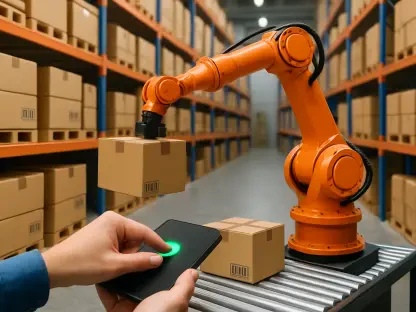
It’s a truly symbiotic relationship where each division plays a critical, interlocking role. Think of it as a relay race with a single, perfectly coordinated team. DHL Global Forwarding and Freight manage the initial, heavy-lifting part of the journey, ensuring the parts and accessories get from their point of origin to the Holtum campus compliantly and efficiently. Once they arrive, DHL Supply Chain takes the baton. They are the specialists on the ground, managing the sophisticated warehousing, inventory control, and the final distribution. This integrated model eliminates the typical friction and delays you see when multiple, independent logistics providers are involved. The communication and operational standards are unified, meaning we can react quickly and flexibly to NIO’s users’ needs, whether it’s for a simple accessory or a critical aftersales service part.
NIO is building a user-centric ecosystem with concepts like Power Swap Stations. How does this enhanced logistics partnership for parts and accessories directly support the operational needs of that unique model, and what specific metrics will you track to measure improvements in the user experience?
NIO’s entire philosophy revolves around the user experience, which extends far beyond the driver’s seat to concepts like their innovative Power Swap Stations and NIO Houses. A model like that is incredibly demanding on the backend; it requires a logistics foundation that is not just efficient but almost predictive. This partnership provides exactly that. By ensuring parts and accessories are readily available and delivered swiftly, we directly support the uptime and flawless operation of these unique service points. Imagine the frustration if a Power Swap Station were down waiting for a part. Our goal is to make that scenario virtually non-existent. Key metrics will focus on speed and reliability: order fulfillment time, delivery accuracy, and inventory availability. Ultimately, the most important metric is the user’s perception—we want to ensure their interaction with NIO’s aftersales service is as premium and effortless as the vehicle itself.
As NIO expands with its premium models and the new Firefly brand, this logistics setup is described as supporting efficiency and scalability. What specific capabilities does this partnership provide that will allow NIO to rapidly scale its aftermarket operations as its European footprint grows?
Scalability is the cornerstone of this partnership. When you’re launching new brands like Firefly and expanding into new European markets, you can’t afford for your logistics to be a bottleneck. This collaboration provides NIO with a turnkey solution that can grow with them. The Holtum automotive campus offers flexible capacity, meaning we can expand storage and processing capabilities as volumes increase without needing to build new infrastructure from scratch. Furthermore, by leveraging DHL’s dense, established global network, NIO can confidently enter new territories knowing the logistical framework is already in place. It’s about providing a future-ready supply chain that supports their ambition, giving them the operational confidence to focus on innovation and enhancing the user experience, rather than worrying about the complexities of aftermarket distribution.
What is your forecast for the European EV aftermarket logistics sector over the next five years?
I foresee an era of intense specialization and integration. As the European EV market matures, the aftermarket will become far more complex. It won’t just be about moving parts; it will be about managing battery logistics, recycling, and specialized components that require delicate handling and compliant transport. We’ll see a consolidation toward large, integrated logistics partners like DHL who can offer end-to-end solutions—from warehousing and distribution to customs and compliance for hazardous materials. The pressure to create a seamless, user-centric experience, mirroring the tech-forward nature of the vehicles themselves, will force the entire sector to become faster, more transparent, and more sustainable. Companies that can provide a scalable, efficient, and resilient ecosystem will not just survive; they will define the future of electric mobility support.