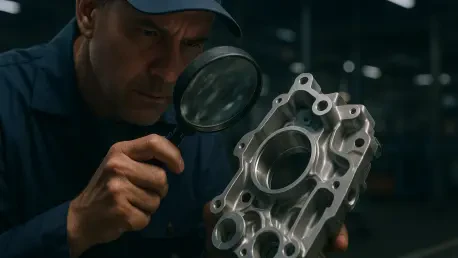

Independent quality control should be viewed as a fundamental component of a professional supplier relationship rather than an act of institutional distrust. As procurement professionals increasingly look toward Southeast Asia to diversify their operational footprints, the rapid industrialization of Vietnam has presented both unparalleled opportunities and significant logistical hurdles. The migration of high-value manufacturing from traditional centers to Vietnamese provinces requires a recalibration of how quality is defined and enforced across borders. This shift is not merely about cost reduction; it is about building a resilient ecosystem that can withstand the pressures of global demand while maintaining stringent European and American safety standards. Organizations that fail to implement an external verification layer often find that initial savings are quickly evaporated by the hidden costs of non-compliance. Consequently, the establishment of a robust oversight framework is now a prerequisite for any business aiming to scale its operations within the region successfully.
The Evolving Landscape of Vietnamese Industrial Capability
Over the last few years, Vietnam has transitioned from a niche production site to a sophisticated, multi-industry manufacturing powerhouse that now competes on a global scale. This evolution is characterized by several key factors, including the expansion of the electronics sector and the rapid growth of automotive component fabrication. The country no longer focuses solely on low-tech assembly but instead supports a complex array of industries such as machinery, metal products, and high-end furniture. This industrial diversification is backed by massive investment in logistical infrastructure, including an extensive network of deep-water ports that facilitate rapid international transit. As companies adopt more resilient production networks through diversification strategies, Vietnam has emerged as a primary beneficiary. However, the success of this transition is not guaranteed by the mere selection of a factory but is instead dependent on the rigorous implementation of objective third-party oversight.
Despite this rapid advancement, the influx of new business into the region can lead to a steep learning curve for both international buyers and local suppliers. New partnerships often encounter friction due to misaligned quality standards or differing interpretations of technical specifications. As factories scale up to meet global demand, the pressure to maintain speed can sometimes result in a lapse in attention to detail, making independent verification essential to maintain the high standards required for international markets. This is particularly true in sectors like electronics and precision engineering, where even a minor deviation from the original design can lead to total product failure. Ensuring that a factory has the capacity is only half the battle; the other half is ensuring that the capacity is utilized correctly every single time. Without a physical presence to monitor these transitions, buyers remain vulnerable to the fluctuations of a manufacturing sector that is still maturing.
Financial Implications of Manufacturing Inconsistencies
The financial consequences of manufacturing errors are most severe when defects are discovered late in the procurement cycle, often long after the goods have left the origin port. Quality issues are rarely the result of a single catastrophic event; instead, they typically stem from a phenomenon known as incremental drift. This occurs when dimensions, colors, or material tolerances slowly deviate from the master sample over a long production run. When these minor errors go unnoticed by internal factory staff, the cost of remediation—including emergency air freight for replacements, extensive rework, or protracted legal disputes—can be prohibitively expensive once the goods have reached a Western warehouse. The capital tied up in defective inventory can cripple the cash flow of small and medium enterprises, turning a profitable venture into a significant liability. Proactive inspection at the source prevents these financial drains by stopping non-compliant goods before they ship.
Beyond the immediate logistical costs, poor quality poses a significant threat to the long-term viability of a company and its brand reputation. For businesses serving major retailers or working on time-sensitive infrastructure projects, a single failed shipment can lead to missed deadlines and the permanent loss of future contracts. The indirect costs of brand damage and customer dissatisfaction often far outweigh the investment required for early-stage inspection, making rigorous quality control a vital form of financial insurance. In the current market, consumer loyalty is hard-won and easily lost to competitors who can guarantee consistent product integrity. By viewing quality control as a strategic investment rather than a cost center, companies protect their market share and ensure that their procurement activities contribute to sustainable growth. The goal is to build a reputation for reliability that becomes a competitive advantage in an increasingly crowded and volatile global marketplace.
Operational Advantages of Objective Oversight Models
Independent quality control serves as an objective second set of eyes that prioritizes the interests of the buyer over the production quotas of the manufacturing facility. While factory-based internal teams are often pressured to meet shipping deadlines or reduce waste, an independent inspector evaluates the goods against the specific Purchase Order and approved gold samples with total impartiality. This objective verification covers everything from basic workmanship and functionality to the accuracy of labeling and the durability of the packaging, ensuring the product is retail-ready upon arrival. This separation of production and inspection is crucial for maintaining a high standard of accountability. It creates a system where quality is not negotiated but verified through data. This model is especially important when dealing with complex products that require specialized testing equipment and expertise that may not be available within the factory’s own quality department.
For small and medium-sized enterprises that cannot afford to station full-time staff in Southeast Asia, third-party inspectors provide a crucial physical presence on the factory floor. This local expertise allows buyers to navigate the nuances of the local manufacturing culture while maintaining a high level of transparency. By providing real-time data and unbiased reporting, independent inspectors empower buyers to make informed decisions before goods leave the factory floor. This presence acts as a deterrent against unauthorized material substitutions and ensures that the factory remains committed to the agreed-upon standards throughout the lifecycle of the contract. Furthermore, having a professional representative on-site facilitates better communication, as inspectors can often explain technical requirements to factory managers in their native language. This bridge between cultures and technical expectations is what allows remote sourcing to function at the same level of precision as domestic production.
Structural Components of a Comprehensive Inspection Cycle
Effective quality management is not a final pass or fail test but a continuous process that begins before mass production even starts. A Pre-Production Inspection is the first line of defense, verifying that raw materials and components meet the required standards before they are processed. This stage is critical for preventing widespread errors that can occur if a factory unknowingly uses sub-standard materials or incorrect components. For example, verifying the grade of stainless steel or the moisture content of wood before assembly can save thousands of dollars in potential losses. As production progresses, a During-Production Inspection allows for the identification of recurring defects when only a portion of the order is finished. This intervention is perhaps the most cost-effective, as it allows the factory to adjust its processes and correct errors for the remainder of the batch, ensuring that the majority of the shipment meets the buyer’s quality expectations.
The final stages of the oversight cycle involve the Pre-Shipment Inspection and Container Loading Supervision, which provide the final layer of security. The pre-shipment phase involves a statistically significant sampling of the finished goods to ensure that the entire batch is consistent with the approved samples. This is followed by loading supervision, which ensures that the correct quantity of goods is loaded into the container and that the container itself is in good condition to prevent water damage or contamination during transit. This comprehensive approach ensures that the products are not only manufactured correctly but are also handled and packed in a way that preserves their integrity until they reach the final destination. By breaking the inspection process into these logical stages, companies can mitigate risk at every critical juncture. This structured framework transforms quality control from a reactive response to a proactive strategy that guarantees the reliability of the entire supply chain.
Integrating Data Analytics and Professional Expertise
The modernization of quality oversight has been greatly accelerated by the integration of digital reporting and real-time documentation. Today’s inspectors use sophisticated mobile platforms to provide buyers with instant access to high-resolution photos, video evidence, and technical data directly from the factory floor. This digital transparency is particularly beneficial for remote management, as it allows stakeholders to review production status and address concerns immediately without the need for expensive and time-consuming international travel. The ability to track quality trends over multiple shipments using data analytics allows companies to identify systemic issues and work with factories to implement long-term process improvements. Digital tools have turned the inspection report from a static document into a dynamic source of business intelligence that can be used to optimize the performance of the entire global supply chain.
While technology provides the tools for better visibility, the core value of quality control remains rooted in human expertise and technical judgment. An experienced inspector possesses the ability to identify subtle issues that a camera might miss, such as the tactile feel of a fabric, the specific sound of a mechanical component, or the faint odor of a non-compliant chemical treatment. The combination of advanced digital reporting and seasoned professional judgment creates a resilient framework for managing the complexities of Vietnamese sourcing. This human element is irreplaceable when it comes to interpreting the “spirit” of a quality standard and negotiating corrective actions with factory management. Professionals who understand both the technical requirements and the local business environment can provide insights that go beyond a simple checklist. This synergy between data-driven technology and expert human analysis is what defines a modern, sophisticated approach to international quality assurance.
Strengthening Supplier Relations Through Detailed Documentation
The success of any quality control program is ultimately determined by the quality of the documentation that guides it. To eliminate ambiguity, buyers must provide comprehensive specification sheets, clear acceptance or rejection criteria, and physical reference samples. When the factory, the buyer, and the independent inspector all reference the same set of gold samples and technical benchmarks, the potential for disputes is significantly reduced. This clarity creates a professional environment of accountability where expectations are well-defined and measurable. Managers who integrated these systems found that data-driven decision-making reduced lead times and improved the overall consistency of their product lines. They established clear benchmarks that rewarded high-performing factories and provided a roadmap for those needing improvement. By fostering a culture of precision and transparency, these organizations secured their supply chains against the risks of rapid industrial expansion.
Strategic procurement managers utilized these detailed records to build long-term partnerships based on mutual respect and verified performance. They moved away from reactive troubleshooting and instead adopted a methodology of continuous improvement. By documenting every deviation and success, they created a historical record that informed future sourcing decisions and contract negotiations. This approach ensured that the benefits of sourcing from Vietnam—such as cost efficiency and industrial diversity—were fully realized without the burden of unforeseen quality crises. For businesses looking to thrive in the current global economy, the implementation of independent oversight was the definitive step toward operational excellence. They proved that the most resilient supply chains were those that prioritized visibility and proactive risk management at every stage. Ultimately, the cost of preventative inspection was a minor investment compared to the massive gains in reliability and brand trust achieved through disciplined oversight.