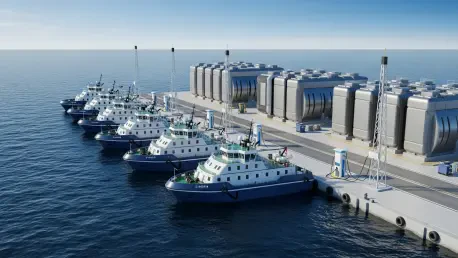

The massive, soot-belching smokestacks that have long defined global harbor horizons are finally facing a silent, high-voltage reckoning as industrial-scale electrification enters the commercial mainstream. As the global logistics chain seeks to distance itself from the volatility of fossil fuel markets, the transition from traditional internal combustion engines to high-capacity electric propulsion systems has emerged as a critical frontier for innovation. This review explores the evolution of maritime electrification technology, examining how the rigorous demands of modern port infrastructure are being met by a new generation of heavy-duty workhorses. By analyzing the strategic shift toward high-performance utility vessels, this article highlights the technological maturation required to support the heavy lifting of global trade. The objective of this review is to provide a comprehensive understanding of current electrification capabilities in high-stakes commercial environments and to assess the long-term viability of battery-powered shipping.
Evolution and Core Principles of Maritime Electrification
The maritime sector is no longer content with incremental improvements to traditional diesel-electric designs that merely used batteries as a secondary buffer. Fully battery-powered industrial vessels represent a radical departure from these hybrid ancestors, utilizing an architecture where the electric motor is the sole source of propulsion. This evolution is predicated on the inherent superiority of high-torque electric motors for the grueling duty cycles associated with harbor maneuvers. Unlike diesel engines that require significant time and RPM build-up to reach peak power, electric systems provide maximum torque almost instantaneously, which is a decisive advantage when a vessel must manipulate a 100,000-ton cargo ship in a confined channel.
This technological trajectory has moved with surprising speed from the realm of small-scale recreational boats to 80-foot industrial machines designed for the world’s busiest ports. While early electric boats were often dismissed as luxury novelties for weekend enthusiasts, the current generation of vessels is engineered for 24-hour operational reliability. This shift is deeply rooted in the broader context of energy security, as port operators look to insulate their fleets from the unpredictable price shocks of the oil market. By adopting fully electric powertrains, the industry is moving toward a future where “bunker fuel” is replaced by stabilized grid energy, fundamentally altering the economics of maritime logistics.
Primary Technical Components of Industrial Electric Vessels
High-Capacity Battery Energy Storage Systems: The Industrial Core
Modern industrial maritime vessels rely on massive battery energy storage systems that far exceed the capacity of anything found in the automotive sector. Most current designs favor lithium-iron phosphate (LFP) chemistry over the nickel-manganese-cobalt (NMC) variants common in passenger cars. Although LFP is slightly less energy-dense, it offers significantly higher thermal stability and a much longer cycle life, which is essential for a vessel that must undergo rapid charging cycles several times a day. These battery packs often exceed 6 megawatt-hours (MWh), providing the sustained power necessary to drive 4,000-horsepower motors through an entire shift of heavy towing and pushing.
The physical integration of these massive battery arrays also plays a critical role in the naval architecture of the vessel. At this scale, the weight of the batteries is not a drawback but a functional asset that provides necessary ballast. Engineers utilize the high mass of the battery packs to maintain a low center of gravity, which enhances the stability and pulling power of the vessel during high-stress operations. This synergy between energy storage and physical stability demonstrates how electrification allows for a more cohesive design approach than traditional internal combustion systems, which require heavy engines and separate fuel tanks that shift in weight as they are depleted.
Vertically Integrated Power Management Software: Solving Market Fragmentation
The success of an industrial electric vessel depends as much on its software as its hardware, necessitating a “full-stack” approach to power management. In the traditional marine market, equipment was notoriously fragmented, with engines, transmissions, and battery packs often coming from different vendors who used proprietary communication protocols. Modern innovators are overcoming this by developing vertically integrated software solutions that coordinate the battery management system (BMS), motor controllers, and navigational hardware. This integration ensures that every kilowatt of energy is tracked and optimized in real-time, preventing the performance bottlenecks that plague piecemeal systems.
Furthermore, these integrated software platforms provide 24/7 remote monitoring and predictive diagnostics, which are vital for maintaining the high uptime required in harbor environments. A centralized software “brain” can manage the thermal loads of the batteries during fast-charging sessions and adjust power delivery based on current water conditions or the specific weight of a tow. By eliminating the communication lags between disparate components, these systems offer a level of reliability and responsiveness that is impossible to achieve with mechanical linkages. This digital-first approach marks a significant shift in how marine engineers perceive vessel performance and maintenance.
Latest Developments and Market Innovations
Recent volatility in the global energy market has accelerated the adoption of electric powertrains as a strategic defensive measure. Significant oil shocks, often triggered by geopolitical instability, have driven diesel prices up by as much as 50% in short windows, making the predictable cost of electricity increasingly attractive to fleet owners. This economic pressure has led major startups to pivot away from high-end consumer products toward the high-value industrial utility sector. These companies have recognized that while the recreational market is susceptible to economic downturns, port infrastructure is a critical, recession-proof necessity that justifies massive investment in new technology.
Technological innovations are also manifesting in the development of “fast-charging” harbor infrastructure designed specifically for commercial turnover. Unlike passenger cars that can sit idle for hours, an industrial tugboat or ferry must be back in the water as quickly as possible. New harbor charging stations are being designed to deliver massive amounts of power in short bursts, often utilizing onsite stationary storage to buffer the grid. Additionally, the declining cost of battery technology is rapidly reshaping the economic calculus, with the total cost of ownership for electric vessels now approaching parity with diesel counterparts when accounting for reduced maintenance and fuel expenses.
Real-World Applications and Industrial Deployment
The most prominent testing grounds for this technology are currently the Port of Long Beach and the Port of Los Angeles. These hubs are deploying 80-foot electric tugs that assist massive container ships, proving that battery power can handle the “brute force” requirements of harbor work. These vessels must operate in congested waterways where precision and instant responsiveness are non-negotiable. The successful deployment of these machines has demonstrated that electric propulsion is not just a cleaner alternative but a more capable one, providing a level of maneuverability that diesel engines struggle to match in high-torque scenarios.
Secondary applications are also emerging in the short-sea shipping and ferry sectors, where fixed routes make charging infrastructure easier to manage. Specialized barges and offshore energy support vessels are being outfitted with electric systems to reduce the environmental footprint of coastal operations. In many cases, regulatory environments, particularly the strict emissions mandates in California, are acting as the primary catalyst for these deployments. These mandates force a level of early-stage adoption that allows the technology to be refined in the field, providing a template that other global shipping hubs are beginning to follow.
Technical, Regulatory, and Market Challenges
Despite the clear performance advantages, the high initial capital expenditure (CapEx) remains a formidable barrier to widespread adoption. An industrial electric vessel can cost significantly more than a conventional diesel-powered equivalent, largely due to the massive cost of the battery arrays. While the operational savings are compelling, the lack of dedicated government subsidies for marine construction—comparable to those available for electric trucking—slows the pace of transition. Fleet owners are often hesitant to commit to such large upfront costs without a guaranteed return on investment or clearer financial incentives from federal agencies.
Technical hurdles also persist, particularly regarding the retrofitting of aging port infrastructure to support the massive electrical loads required for fast-charging. Many older docks were never designed to provide the megawatt-level service needed to recharge several tugboats simultaneously. Furthermore, the longevity of marine assets presents a unique market obstacle; tugboats are frequently kept in service for 40 to 50 years. This long replacement cycle means that even with superior technology available, the total turnover of the global fleet will take decades unless aggressive retrofitting programs are implemented to modernize existing hulls.
Future Outlook and Long-Term Industry Impact
Looking ahead, the next major milestone for maritime electrification will be the transition from harbor operations to transoceanic voyages. While current lithium-ion technology lacks the energy density for multi-week ocean crossings, breakthroughs in solid-state batteries or hydrogen-electric hybrids are being explored as potential solutions. As ports evolve into integrated “energy hubs,” they will likely play a double role as both logistics centers and power providers for electric fleets. This transformation will eventually lead to the electrification of military watercraft and specialized offshore support vessels, where silent operation and reduced thermal signatures offer significant tactical advantages.
The long-term impact on global shipping lanes will be a total departure from the era of diesel dominance. As the “code is cracked” for heavy industrial marine power, the reliance on bunker fuel will likely fade into obsolescence. This shift will not only reduce the carbon footprint of global trade but also lead to a more decentralized and resilient energy model for the maritime industry. The convergence of improved battery chemistry and sophisticated power management software is setting the stage for a world where the ocean’s most powerful machines operate with zero local emissions, fundamentally changing the relationship between global commerce and the environment.
Summary of Findings and Assessment
The review of the maritime industrial sector indicated that electrification moved from a niche environmental goal to a central pillar of operational strategy. It was observed that the transition was fueled by the convergence of high-performance electric motors and the economic stability of battery-based energy systems. The data showed that vertically integrated software solutions were essential for managing the massive energy demands of harbor work, providing a level of reliability that legacy systems could not match. Furthermore, the pilot programs in major shipping hubs established that electric tugs and utility vessels were fully capable of meeting the rigorous performance standards required by modern global trade.
The industry successfully navigated the initial skepticism regarding battery capacity and durability in harsh saltwater environments. It was concluded that while high upfront costs and infrastructure limitations remained as hurdles, the long-term benefits in maintenance and fuel predictability outweighed the initial investment. The shift toward electrification ultimately represented more than just a reduction in emissions; it was a fundamental modernization of the world’s most critical logistics infrastructure. By decoupling maritime power from fossil fuel volatility, the sector positioned itself for a more stable and technologically advanced future.