
The persistent echo of empty workstations across manufacturing floors tells a story not just of a labor shortage, but of a fundamental shift in the industrial landscape where relentless pressure to increase output collides with a shrinking pool of skilled workers. In this challenging environment, the traditional approach of expanding the workforce to meet rising demand has become unsustainable. Forward-thinking organizations are discovering that the key to stability and growth lies not in a larger payroll, but in smarter technology. Modern Enterprise Resource Planning (ERP) systems have evolved far beyond their administrative roots to become the foundational engine for lean manufacturing operations. By enabling intelligent automation, facilitating data-driven strategic planning, and fostering enhanced workforce engagement, ERP presents a definitive path toward achieving the greater efficiency, productivity, and resilience required to thrive in today’s demanding market.
Automating Operations to Overcome Staffing Gaps
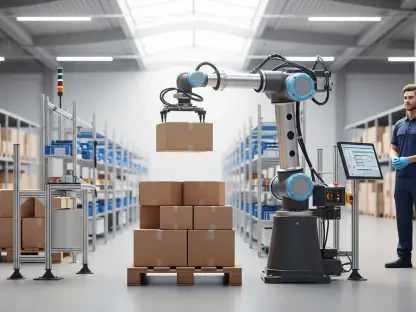
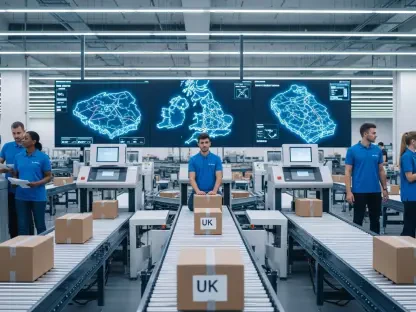
With over 80% of manufacturers struggling to find and retain the skilled labor they need, the conventional model of scaling staff to meet growing production targets is no longer a viable strategy. Modern ERP solutions directly confront this crisis by championing the principle of “doing more with less,” embedding intelligent workflow automation to fundamentally reshape daily operations. These advanced platforms take over a wide spectrum of routine and repetitive tasks, which drastically reduces the burden of manual data entry, minimizes the frequency of costly planning errors, and significantly curtails operational downtime. Unlike antiquated legacy systems that demand constant, hands-on human oversight, modern ERPs are designed to streamline the entire production lifecycle, from initial order fulfillment and complex inventory management to dynamic production scheduling and rigorous quality control. This pervasive level of automation allows companies to fully optimize their existing capacity, giving them the power to scale productivity and meet fluctuating market demands without needing to expand their current staff.
The tangible benefits of this technological intervention are both immediate and profound, transforming the persistent skills shortage from an overwhelming existential threat into a manageable component of strategic operational planning. By automating core processes, ERP systems empower the existing workforce to focus on higher-value activities that require critical thinking and specialized skills, rather than being bogged down by administrative minutiae. The data substantiates these gains, with nearly 80% of companies that adopt modern ERP solutions reporting higher overall productivity and over 60% noting a significant reduction in their operational costs. This efficiency empowers organizations to not only weather the current labor crisis but to build a more resilient and agile operational framework. They can respond to market opportunities with greater speed and confidence, secure in the knowledge that their core processes are optimized for maximum output, regardless of external hiring conditions. This creates a powerful competitive advantage in a market where agility is paramount.
Building a Resilient and Engaged Workforce
Beyond the immediate gains in operational efficiency, the most significant strategic value of a modern ERP system lies in its ability to help foster a more engaged, stable, and satisfied workforce. These platforms function as powerful data aggregation and analysis engines, continuously collecting and interpreting a vast array of historic and real-time insights on production metrics, sales trends, demand patterns, and resource utilization. This wealth of information provides the data-rich foundation necessary for developing sophisticated, long-term workforce planning and accurate demand forecasting models. Instead of reactively grappling with staffing crises as they arise, leadership can leverage these analytics to proactively identify potential gaps in critical roles or departments well in advance. This foresight enables highly flexible capacity planning that can adapt to both seasonal and cyclical needs, ensuring the company stays ahead of the curve and avoids the disruptive cycles of overstaffing and understaffing.
This data-driven approach to management has a deeply positive and lasting impact on workplace culture. When workloads are balanced and optimized by intelligent technology, and when processes are streamlined to eliminate frustrating bottlenecks, employees are far less likely to experience the burnout and dissatisfaction that fuel high turnover rates. Furthermore, when teams see their company actively investing in advanced systems designed to simplify their jobs and support their professional success, they perceive it as a tangible commitment to their value and well-being. This perception fosters a stronger sense of loyalty, boosts morale, and improves overall engagement. Organizations utilizing such advanced technologies report up to 20% higher employee satisfaction, which in turn creates a highly attractive environment for the very skilled workers that are in such high demand. This cultural shift transforms the workplace into a competitive asset for talent acquisition and retention.
The Strategic Imperative of Early Adoption
Ultimately, the early and decisive adoption of a modern ERP solution proved to be a competitive imperative for survival and growth in the evolving manufacturing industry. Waiting for the widespread labor shortage to resolve itself spontaneously was a flawed strategy, a point underscored by the fact that nearly 40% of manufacturers cited direct revenue losses as a consequence of employee scarcity. The failure to act decisively became more damaging to these businesses than the labor deficit itself. However, this challenge also presented a significant opportunity for proactive companies to strengthen their operational excellence and solidify their market position. By leveraging the power of ERP-driven automation, these forward-thinking manufacturers achieved significant productivity gains without requiring proportional increases in headcount. They found that adopting these solutions was essential for building a solid foundation for sustained growth, improved profitability, and a lasting competitive advantage that not only saw them through the labor crisis but also carried them confidently into the industry’s next chapter.