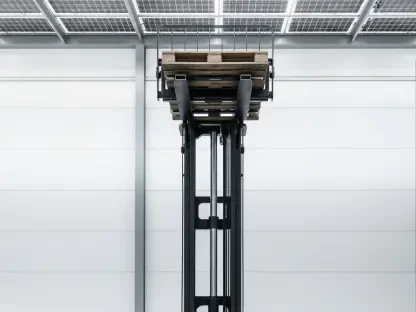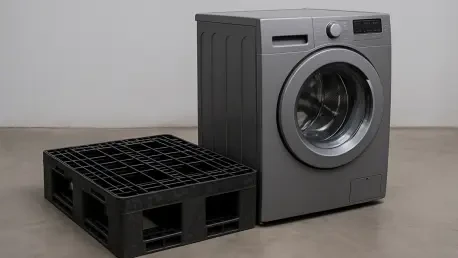

The heavy-duty plastic pallet, a ubiquitous workhorse of the global supply chain, rarely receives a second glance as it hauls goods across continents. Yet, these industrial staples are currently being diverted from landfills and grinding facilities to undergo a radical metamorphosis. In an age where “new” usually means virgin materials, a pioneering collaboration is proving that the most sophisticated piece of technology in a modern home might actually start its life on a warehouse floor.
From Logistics to Luxury: The Unlikely Origin of Modern Tech
Standard logistics equipment typically exists at the periphery of consumer consciousness, serving as the invisible backbone of commerce. However, the narrative is shifting as designers look toward these rugged assets not as junk, but as untapped reservoirs of high-grade polymers. By intercepting these materials before they enter traditional downcycling streams, manufacturers can harvest durable plastics that have already survived years of rigorous industrial use.
This transition from the loading dock to the living room represents a significant leap in material science. The process involves identifying specific polymer batches that possess the structural integrity required for high-end housing. This approach transforms the perception of recycled goods from cheap alternatives into exclusive, storied objects that carry a history of global movement within their very grain.
The Circular Imperative in a Disposable World
The electronics industry has long been criticized for a lifecycle that fuels environmental degradation and resource scarcity. As consumers become increasingly wary of planned obsolescence, the demand for a circular economy—where materials are kept in use indefinitely—has shifted from a niche interest to a corporate necessity. By reimagining end-of-life industrial tools as raw materials, companies are addressing the urgent need to decouple growth from environmental harm.
Adopting a circular model requires a total rejection of the “take-make-waste” mentality. Instead of relying on volatile markets for raw petroleum-based plastics, tech firms can establish closed-loop systems with logistics partners. This ensures a steady supply of high-quality material while significantly reducing the carbon footprint associated with manufacturing new consumer devices from scratch.
Engineering Aesthetics: Turning Pallets into Premium Goods
The transition from industrial waste to high-end electronics is a feat of both logistics and artistic engineering. Utilizing signature orange, blue, and white end-of-life pallets from goplasticpallets creates a distinct raw material stream. This specific palette allows for a technical marbling process where melted polymers are swirled to achieve a unique finish. Because the cooling process is natural, no two speaker chassis or chargers are ever identical.
Beyond mere surface beauty, the engineering focus remains on product evolution and durability. Heavy-duty plastic is refined into the chassis for high-performance modular speakers that prioritize sound quality as much as sustainability. This design philosophy directly challenges the culture of disposable tech by ensuring that every component is accessible. If a battery fails or a chip becomes outdated, the user can replace that specific part without discarding the entire marbled housing.
Expert Perspectives on the Waste-to-Wealth Transition
Industry leaders argue that the future of manufacturing lies in seeing value where others see refuse. Tom Meades of gomi emphasizes that industrial waste should not just be recycled; it should be elevated through “circular innovation” to create objects of desire. This perspective moves the conversation beyond basic sustainability and into the realm of luxury craftsmanship, where the “imperfections” of recycled plastic become a premium selling point.
The scale of this shift is already evident in the logistics sector. Dan Starnes of goplasticpallets highlights how their recycling scheme has processed over 2,500 tonnes of material, proving that large-scale industrial systems can feed creative design ecosystems. This synergy between mass-scale waste management and boutique tech design provides a blueprint for how other industries might utilize their own scrap to create high-value consumer products.
Strategies for Implementing Circular Innovation in Tech
For companies looking to bridge the gap between industrial waste and consumer products, a specific framework is required. This begins with auditing existing waste streams to identify high-volume materials with structural potential. Collaboration across sectors is equally vital; forming partnerships between logistics providers and design studios allows for the merging of industrial capacity with creative execution.
The ultimate goal for the coming years should be a total commitment to repairability. Designing with a “right to repair” mindset involves using modular components that allow for easy disassembly. Furthermore, marketing the unique history of the material serves as a powerful tool. Consumers are increasingly drawn to authenticity and impact, making the story of a transformed shipping pallet a compelling reason to choose one premium brand over another. The path forward was paved by those who viewed industrial leftovers as a beginning rather than an end.