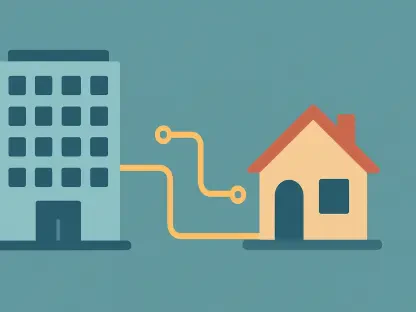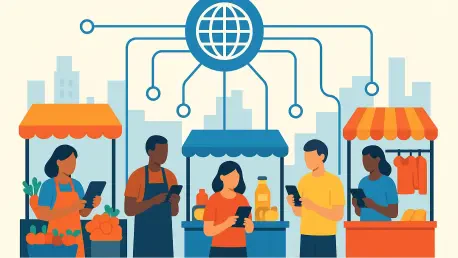

Implementing a specialized PayFi module allows businesses to integrate decentralized finance directly into their existing point-of-sale systems and merchant workflows. This approach provides a practical bridge between the liquidity of digital assets and the daily operational needs of traditional enterprises across the globe. In the current landscape, the emergence of Layer 1 protocols designed specifically for high-throughput financial applications represents a significant departure from the generalized smart contract platforms of the past. These specialized networks facilitate a more direct interaction with global markets by offering low-latency transaction processing and highly customizable settlement layers. By prioritizing the integration of real-world utility, the strategic roadmap currently in motion seeks to address the long-standing friction points found in cross-border commerce and institutional asset management. The ultimate goal is to move toward a unified financial environment where digital tokens are not merely speculative instruments but essential tools for global trade and local business growth.
Bridging Real-World Assets and Digital Liquidity
Asset Tokenization: Unlocking Value in Global Commodities
The tokenization of tangible goods has emerged as a cornerstone of modern financial strategy, enabling the fractional ownership of assets that were previously illiquid or inaccessible to the average investor. Within this framework, global commodities such as agricultural products and mineral resources are being recorded on-chain, providing a transparent and immutable ledger for all supply chain participants. This process involves the creation of digital twins that represent a specific quantity or value of a physical asset, allowing for real-time tracking and instantaneous transfer of ownership across geographical borders. By leveraging a decentralized architecture, participants can significantly reduce the overhead costs associated with traditional brokerage and manual verification services. Furthermore, the ability to use these tokenized assets as collateral within broader liquidity pools introduces a new level of capital efficiency for international trade. For producers in developing regions, this means accessing global capital markets without the prohibitive barriers typically imposed by centralized institutions.
Regulatory Compliance: Building Institutional-Grade Infrastructure
Establishing a trustworthy environment for institutional investors requires more than just high-speed technology; it demands a comprehensive approach to security and regulatory alignment. The roadmap emphasizes the implementation of rigorous Know Your Customer and Anti-Money Laundering protocols directly at the protocol level to ensure all participants operate within recognized legal boundaries. This proactive stance on compliance is designed to mitigate the risks associated with decentralized finance while still preserving the core benefits of transparency and automated execution. Security audits conducted by prominent third-party firms have become a standard practice, ensuring the underlying smart contracts and consensus mechanisms remain resilient against potential threats. By aligning digital asset frameworks with international financial standards, the platform fosters an environment where traditional banks and investment funds can confidently deploy capital into the ecosystem. This institutional-grade infrastructure is vital for the long-term sustainability of the network as it matures into a phase of widespread global adoption.
The New Standard for Decentralized Payment Rails
PayFi Integration: Optimizing Merchant Settlement Systems
Optimizing merchant workflows through Payment Finance, or PayFi, represents a significant evolution in how transaction settlement is handled in the retail and wholesale sectors. Traditional systems often suffer from significant delays, with settlements taking several days to clear, which can severely impact the daily cash flow of small and medium-sized enterprises. The introduction of decentralized payment rails enables near-instantaneous finality, allowing merchants to access their funds almost immediately after a sale is completed. This is achieved through the use of stablecoins and native utility tokens that facilitate low-cost transfers without the need for multiple intermediary banks or complex clearinghouses. Moreover, the integration of programmable finance allows for automated revenue splitting and real-time tax calculations, further reducing the administrative burden on business owners. As these tools become more accessible, the friction of global trade is minimized, fostering a more inclusive economy where speed and efficiency are no longer exclusive to large corporations.
Regional Expansion: Scaling Operations in Emerging Markets
Expansion into emerging markets, particularly within Latin America and Southeast Asia, remains a primary focus of the current growth strategy due to the high demand for alternative financial services in these regions. These areas often face challenges such as high inflation rates and a lack of access to traditional banking infrastructure, making them ideal candidates for decentralized solutions. By partnering with local vendors and fintech companies, the platform is able to tailor its services to meet the specific needs of these diverse populations. This regional approach involves the deployment of technical solutions alongside educational initiatives designed to improve financial literacy and blockchain awareness. Building a localized presence ensures that the technology is utilized in ways that directly benefit the community, such as facilitating cheaper remittances and providing better savings mechanisms. This strategic scaling is essential for achieving a truly global footprint, as it demonstrates the versatility of the technology in addressing various economic environments and diverse user requirements.
Strategic Integration: Advancing the Future of Digital Finance
The strategic roadmap successfully demonstrated the viability of integrating physical assets with decentralized payment systems through a series of focused pilot programs. The results indicated that the transition from traditional settlement models to automated blockchain rails provided substantial cost savings and operational improvements for all participants involved. Moving forward, developers and enterprise partners must prioritize the creation of intuitive user interfaces and comprehensive software development kits to ensure these advanced tools remain accessible to non-technical users. It is also recommended that industry stakeholders continue to engage with regulatory bodies to refine the standards for asset tokenization and cross-border digital payments. The milestones achieved during this period established a solid foundation for the next phase of development, which will likely involve deeper integration with global logistics and supply chain management systems. Maintaining a focus on interoperability and security will be paramount as the ecosystem continues to evolve and attract a broader range of global participants.