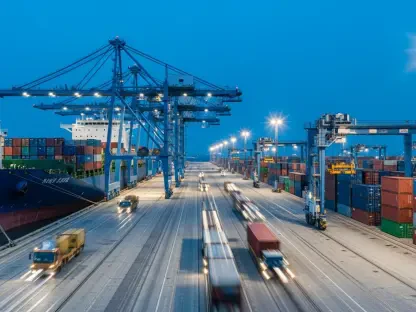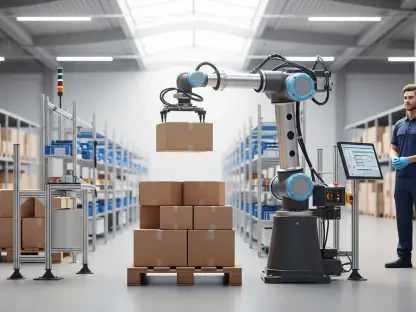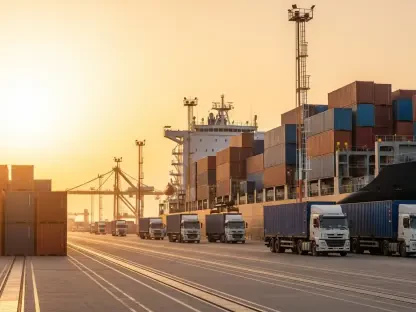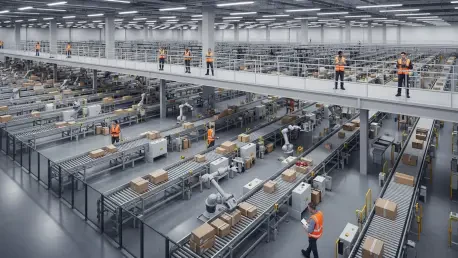

The backbone of modern commerce is no longer just digital—it is overwhelmingly physical, and savvy investors are taking note by channeling unprecedented capital into the warehouses and distribution centers that make it all possible. Across Europe, the Middle East, and Africa, the industrial and logistics (I&L) real estate sector has solidified its position as a premier asset class, buoyed by the unstoppable forces of e-commerce, evolving global supply chains, and significant infrastructure investment. This sustained momentum reflects not just a cyclical trend, but a fundamental realignment of investment priorities in response to profound shifts in how goods are made, moved, and delivered.
The Unwavering Allure of Industrial and Logistics Assets
A Strategic Migration of Capital
While traditional core markets such as Germany, the Netherlands, and the UK continue to see robust activity, a notable shift in capital allocation is reshaping the investment landscape. The combination of high valuations and a scarcity of prime, available assets in these established hubs is compelling investors to broaden their horizons. As a result, capital is increasingly flowing eastward into Central and Eastern Europe (CEE), with markets like Poland and Slovakia emerging as primary beneficiaries. This geographical diversification is not a speculative venture but a calculated move driven by more attractive risk-return profiles. CEE nations offer a compelling trifecta of lower labor costs, more affordable rental rates, and greater land availability for development. Consequently, investors are finding higher yields and a clearer path to growth, transforming the region from a secondary consideration into a central pillar of many pan-EMEA investment strategies. This migration underscores a growing sophistication among investors who are actively seeking value beyond the saturated, high-priced core markets.
Beyond Acquisition to Operational Integration
The evolution of investment strategy in the I&L sector extends beyond geographical shifts to encompass the very nature of the investments themselves. A clear trend has emerged, moving away from the simple acquisition of individual assets toward a more holistic and operationally focused approach. Investors are increasingly deploying capital into comprehensive logistics platforms and entire operating businesses, often through complex joint ventures and strategic mergers and acquisitions. This method allows for the rapid achievement of operational scale and control over a diversified portfolio, fostering long-term, sustainable growth rather than short-term gains. In parallel, within the supply-constrained core markets, a different kind of sophistication is on display. Here, the focus has pivoted to value-add strategies. Investors are actively targeting older or underperforming assets for refurbishment and repositioning, as well as developing bespoke, build-to-suit solutions tailored to the precise needs of specific occupiers. This hands-on approach is essential for unlocking value in markets where prime, ready-to-occupy space is exceedingly rare.
Core Drivers and Market Realities
The Engine of Resilient Demand
The sector’s robust health is anchored by powerful and enduring structural drivers that continue to fuel relentless demand for space. The unabated expansion of e-commerce remains a primary catalyst, generating a need for a wide spectrum of logistics facilities, from massive, multi-story fulfillment centers on the outskirts of cities to smaller, strategically located last-mile delivery hubs essential for rapid urban distribution. Beyond retail, a significant trend toward manufacturing reshoring is prompting companies to bring production capabilities closer to their end markets, further stimulating demand for industrial real estate. Compounding these factors are substantial increases in public spending. Major investments in infrastructure and defense, highlighted by initiatives like NATO’s planned €50 billion annual expenditure, create a ripple effect, driving the need for new supply chain facilities, storage, and logistical support centers across the region. These diverse and powerful demand streams create a highly resilient and multifaceted market, insulating it from the volatility seen in other real estate sectors.
Navigating Headwinds with Tactical Agility
Despite the overwhelmingly positive outlook, the I&L sector is not without its challenges. Developers and investors currently face significant headwinds in the form of elevated construction costs, which can squeeze profit margins and delay project timelines. Furthermore, navigating complex and often protracted planning and zoning frameworks in many jurisdictions can significantly slow the pace of new development, creating a bottleneck that struggles to keep up with surging demand. However, the market has demonstrated remarkable adaptability in response to these obstacles. Investors are increasingly employing more tactical and agile strategies to circumvent these issues. There is a growing focus on acquiring existing assets with potential for enhancement, allowing capital to be deployed more quickly and with greater certainty. In densely populated urban areas where land for new construction is virtually nonexistent, creative solutions are gaining traction. This includes the conversion of underutilized properties from other sectors, such as retail or office space, into modern, efficient logistics facilities, proving that innovation and flexibility are key to unlocking value in a constrained environment.
The Enduring Pillar of Modern Portfolios
Ultimately, the strategic movements within the EMEA logistics real estate market painted a clear picture of a sector defined by sophisticated adaptation. Investors demonstrated a decisive pivot, not only by exploring new geographies to unearth value but also by fundamentally altering their approach from passive asset ownership to active operational engagement. The challenges of construction costs and regulatory hurdles did not deter investment; instead, they catalyzed innovation, leading to a greater focus on value-add strategies and creative asset conversions. The powerful, long-term trends of e-commerce, supply chain realignment, and infrastructure spending provided a firm foundation that supported this evolution. As a result, industrial and logistics real estate solidified its role as an indispensable and dynamic component of institutional investment portfolios, proving its resilience and its central importance to the modern economy.