
The immense pressure on financial marketing leaders to demonstrate clear, quantifiable returns on investment while navigating a labyrinth of regulatory constraints has never been greater. In this high-stakes environment, the operational friction caused by disconnected tools and siloed teams is not just an inconvenience; it is a direct threat to performance, compliance, and strategic agility. The rise of integrated marketing work management platforms represents a significant advancement in the marketing technology sector, especially for these highly regulated industries. This review will explore the evolution of these platforms, their key features for event management, performance metrics, and the impact they have on unifying marketing operations. The purpose of this review is to provide a thorough understanding of how this technology solves the unique challenges faced by heads of marketing in finance, its current capabilities, and its potential for driving demonstrable ROI.
From Disconnected Tools to a Unified Marketing Operating System
For years, marketing departments, particularly within large financial institutions, have operated as a collection of specialized functions supported by a patchwork of disconnected software. Event teams relied on dedicated event management tools, campaign managers operated within marketing automation platforms, and creative teams managed their workflows in project-specific software. This fragmentation created significant operational silos, making cross-functional collaboration inefficient and prone to error. Information remained trapped within individual applications, forcing teams to rely on manual data consolidation through spreadsheets and endless status meetings to gain a semblance of a holistic view. This model not only hampered productivity but also introduced substantial compliance risks, as there was no single source of truth for tracking approvals, budgets, or performance across the entire marketing lifecycle.
The evolution from this fragmented state toward a unified marketing operating system marks a fundamental paradigm shift in how marketing work is managed. Marketing work management platforms are engineered to break down these silos by providing a centralized hub where all marketing activities—from strategic planning and event execution to campaign management and creative production—converge. Instead of treating events as isolated projects, these platforms integrate them directly into the broader marketing plan, allowing data and workflows to flow seamlessly between teams. This integrated approach transforms the marketing department from a series of disjointed units into a cohesive, data-driven engine.
This transition is especially critical for marketing leaders in the financial services industry, where the stakes for efficiency and compliance are exceptionally high. A unified system provides the comprehensive visibility needed to manage complex, multi-stage events like investor conferences and product roadshows with precision. By connecting planning, execution, and reporting in one place, these platforms create an auditable, transparent record of all marketing activities. This not only streamlines operations but also equips leaders with the real-time insights required to allocate resources effectively, measure the true impact of their initiatives, and confidently report on performance to executive stakeholders.
Core Capabilities for Financial Services Marketing
Centralized Event Planning and Workflow Automation
At the core of modern marketing work management platforms is the ability to centralize every facet of event planning into a single, accessible workspace. This eliminates the chaos of managing critical information across scattered emails, spreadsheets, and disparate documents. These platforms provide a single source of truth where teams can build and manage event timelines, track budgets, assign tasks, and store all related assets. Customizable workflows and visual management tools, such as Gantt charts, Kanban boards, and shared calendars, allow different stakeholders to visualize progress in the format that best suits their needs, ensuring alignment from the initial concept through post-event analysis.
Beyond centralization, the power of automation and templates is transformative for teams managing a high volume of recurring events. For financial services, where events like quarterly investor briefings, client appreciation seminars, and annual conferences follow a predictable structure, templates provide a standardized framework. These pre-built plans can include all necessary phases, tasks, compliance checkpoints, and approval sequences, ensuring consistency and dramatically reducing setup time. Automation rules further enhance efficiency by handling repetitive administrative tasks, such as sending deadline reminders, updating task statuses upon completion, or notifying legal and compliance teams when their review is required. This frees up marketing professionals to focus on strategic execution and enhancing the attendee experience rather than on manual coordination.
Integrated Resource and Capacity Management
A significant limitation of standalone event tools is their inability to provide insight into team workloads beyond the scope of a single event. Integrated work management platforms solve this challenge by offering a holistic view of resource and capacity management across all marketing activities. Leaders can see, in real time, the complete workload of every team member, understanding how commitments to an upcoming conference affect their availability for a concurrent product launch or a digital advertising campaign. This visibility is typically presented through visual workload views that clearly indicate who is at or over capacity and who has bandwidth to take on new tasks.
This capability empowers marketing leaders to move from reactive task assignment to proactive, data-driven resource allocation. When planning a major event, they can accurately forecast the resource requirements and assess the impact on the broader team, preventing burnout and ensuring that strategic priorities are not compromised. If a key designer is overallocated, tasks can be reassigned or deadlines adjusted based on clear data, not guesswork. This strategic oversight ensures that event execution aligns perfectly with the marketing department’s overall capacity and strategic objectives, optimizing productivity and protecting the team’s well-being.
Real-Time Analytics and Executive Reporting
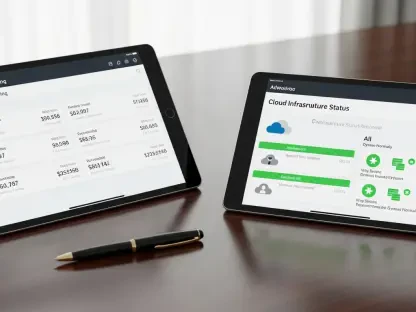
One of the most compelling advantages of a unified marketing work management platform is its ability to automate reporting and deliver real-time analytics. By consolidating all operational data into one system, these platforms eliminate the laborious and error-prone process of manually compiling reports from multiple sources. Leaders can create custom, dynamic dashboards that visualize key performance indicators for events and connect them to broader business objectives. These dashboards can track everything from registration trends and budget burn rates to task completion percentages and lead generation metrics, providing an up-to-the-minute snapshot of performance.
This on-demand access to actionable insights transforms the nature of executive reporting. Instead of presenting static, backward-looking reports on a weekly or monthly basis, marketing leaders can provide stakeholders with live access to dashboards that tell a clear and compelling story about marketing’s impact. When a senior executive asks about the ROI of a recent client seminar series, the answer can be pulled up in seconds, showing not just the cost but also the number of qualified leads generated and their progression through the sales pipeline. This level of transparency and accountability elevates the marketing function, enabling it to demonstrate its value in concrete, financial terms.
Seamless Integration with the Marketing Technology Stack
For a marketing work management platform to serve as a true central operating system, it must integrate seamlessly with the rest of the marketing technology stack. These platforms are designed to be the connective tissue that links disparate systems, ensuring a smooth and automated flow of data between tools. Critical integrations with Customer Relationship Management (CRM) platforms like Salesforce, marketing automation systems such as Marketo, and various analytics tools are essential for creating a cohesive marketing ecosystem. This connectivity prevents the work management platform from becoming yet another information silo.
A well-integrated ecosystem creates a powerful flywheel effect that enhances the value of every tool in the stack. For instance, when an attendee registers for an event through a form managed by the platform, that contact can be automatically created or updated in the CRM, and the lead can be enrolled in a relevant follow-up sequence in the marketing automation platform. This ensures that no lead is lost and that every event touchpoint contributes to a comprehensive, 360-degree view of the customer journey. This seamless data flow is fundamental to turning event engagement into measurable business outcomes and proving the direct impact of event marketing on the sales pipeline.
Enterprise-Grade Security and Compliance Controls
In the financial services industry, security and compliance are not optional features; they are foundational requirements. Leading marketing work management platforms are built with enterprise-grade security controls designed to meet the stringent demands of highly regulated environments. Essential features include granular permissions and role-based access controls, which allow administrators to dictate precisely who can view, edit, or share sensitive information. Comprehensive audit trails provide a complete, unalterable log of every action taken within the platform, which is invaluable for internal audits and regulatory inquiries.
Furthermore, these platforms invest heavily in achieving and maintaining key industry certifications and adhering to global standards, such as SOC 2 Type II, ISO 27001, and GDPR compliance. Technical safeguards like data encryption at rest and in transit, IP restrictions to limit access to approved networks, and mandatory single sign-on (SSO) integration with corporate identity providers ensure that sensitive data is protected at all times. These robust security and compliance capabilities give financial marketing leaders the confidence to manage high-stakes events and sensitive client information within the platform, enabling them to maintain agility without compromising their regulatory obligations.
Emerging Trends in Marketing Operations
The marketing technology landscape is undergoing a significant consolidation, characterized by a decisive industry-wide shift away from single-purpose tools toward comprehensive “Work OS” platforms. Organizations are recognizing the inherent inefficiencies of managing dozens of disparate applications and are actively seeking unified solutions that can serve as the central nervous system for their entire marketing operation. This trend reflects a broader strategic realization that marketing functions are deeply interconnected, and technology must support this reality by facilitating seamless collaboration and data flow across all activities, not just within isolated verticals like event management or social media.
Fueling this evolution is the rapid integration of artificial intelligence and predictive analytics into work management platforms. The demand is growing for solutions that do more than simply track tasks and deadlines. Marketers now expect AI-driven features that offer intelligent automation, such as suggesting optimal resource allocations based on historical performance data, or predictive analytics that can forecast potential project bottlenecks and event attendance rates. This infusion of intelligence promises to transform marketing operations from a reactive discipline to a proactive one, where data-driven insights guide strategic decisions and optimize outcomes.
Alongside these technological advancements is an increased strategic focus on connecting every marketing effort to measurable business outcomes. The pressure to prove ROI has never been more intense, and marketing leaders are demanding platforms that can draw a clear, data-backed line from activities to revenue. This trend moves beyond simple metric tracking toward sophisticated performance analysis that attributes business impact to specific campaigns, events, and initiatives. Consequently, platforms that can integrate with financial systems and provide deep, customizable reporting on business value are becoming indispensable for modern marketing organizations seeking to demonstrate their strategic importance.
Application Spotlight: High-Stakes Financial Event Execution
Consider the immense complexity of executing a multi-day international investor conference—a cornerstone of stakeholder relations for any major financial institution. Such an event involves a dizzying array of interdependent tasks, including securing keynote speakers, coordinating with legal and compliance for material review, managing vendor contracts, tracking a multi-million-dollar budget, and orchestrating a global marketing campaign to drive attendance. In a traditional, siloed environment, this process is managed through a fragile web of spreadsheets, email chains, and standalone applications, creating countless opportunities for miscommunication, delays, and costly errors.
A marketing work management platform fundamentally transforms this high-stakes scenario into a streamlined, transparent, and controlled process. A master event board acts as the central command center, with automated workflows managing every stage from initial planning to post-event analysis. Dependencies are clearly defined, ensuring that legal approval is secured before marketing materials are distributed, and that venue logistics are confirmed before travel arrangements are booked. Real-time budget-tracking dashboards compare actual spending against forecasts, automatically flagging potential overruns and allowing for immediate corrective action. This centralized approach provides complete visibility to all stakeholders, dramatically reducing risk and administrative friction.
The measurable improvements stemming from this integrated approach are profound. Teams consistently report significant reductions in event planning cycles, as automation and standardized templates eliminate redundant administrative work. Enhanced budget oversight leads to direct cost savings by preventing unauthorized spending and enabling better vendor negotiations. Perhaps most importantly, team productivity soars as clear ownership, automated communication, and a single source of truth eliminate the confusion and context-switching that plague complex projects. The result is a more efficient, compliant, and impactful event execution that allows the marketing team to focus on delivering a world-class experience rather than managing logistical chaos.
Implementation Challenges and Strategic Considerations
Despite the clear benefits, adopting a new work management platform is not without its hurdles. On the technical front, organizations often face significant challenges related to data migration and system integration. Moving years of historical event data, vendor contacts, and performance metrics from legacy spreadsheets and disparate applications into a new, structured system requires careful planning and execution. Furthermore, integrating the platform with a complex ecosystem of existing enterprise systems, such as proprietary CRM or financial software, can be a complex undertaking that demands specialized technical expertise to ensure seamless data synchronization.
Beyond the technical aspects, the most formidable obstacles are often organizational. Driving user adoption across a large marketing department, where individuals may be accustomed to their own established tools and workflows, requires a robust change management strategy. Resistance to change is a natural human response, and without a clear vision, consistent communication from leadership, and comprehensive training, even the most powerful platform can fail to gain traction. Securing buy-in from every level of the organization—from the end-users who will manage daily tasks to the executives who rely on its reporting—is paramount for a successful implementation.
Strategically, selecting the right platform requires looking beyond a simple checklist of features. Marketing leaders must consider the platform’s ability to scale with the organization’s growth and adapt to its evolving needs. A solution that works for a team of fifty may not suffice for a team of five hundred. Key considerations should include the platform’s customization capabilities—how easily it can be configured to match unique internal processes—and the quality of the vendor’s partnership, including their implementation support, customer service, and long-term product roadmap. The goal is to choose a platform that is not just a tool for today, but a strategic partner for the future.
The Future of Integrated Marketing Management
Looking forward, the trajectory of marketing work management technology is set to be profoundly shaped by deeper and more sophisticated artificial intelligence integration. The next generation of these platforms will move beyond simple task automation toward advanced predictive capabilities. Imagine an AI that can analyze past project data to accurately forecast resource requirements for an upcoming event, identify potential risks in a project timeline before they become critical, and even leverage generative AI to create initial drafts of project plans, communication briefs, and marketing copy based on a few simple prompts. This will empower teams to operate with an unprecedented level of foresight and efficiency.
The evolution of these platforms will also center on fostering more seamless cross-functional collaboration that extends beyond the boundaries of the marketing department. The future lies in creating a unified work hub that serves as the central nervous system for an organization’s entire go-to-market strategy, tightly integrating marketing with sales, product, finance, and legal teams. This will break down the final organizational silos, enabling a truly holistic approach to product launches, client engagement, and revenue generation where all departments operate from a shared set of data and objectives.
Ultimately, these platforms are poised to become the indispensable central command center for the entire marketing organization. They will evolve from being a system of record for work execution into a dynamic engine for strategic decision-making. Within this single environment, marketing strategy will be formulated, resources will be allocated based on predictive models, campaigns and events will be executed with intelligent automation, and performance will be measured in real time against core business objectives. This vision represents the final step in marketing’s transformation into a fully accountable, data-driven, and integrated business function.
Final Assessment and Recommendations for Marketing Leaders
The current state of marketing work management technology presents a mature and robust solution to the persistent challenges of operational silos, compliance risk, and the imperative to prove ROI. These integrated platforms effectively unify the disparate functions of a modern marketing department—including complex event management—into a single, cohesive operating system. Their core value proposition lies in creating a transparent, auditable, and efficient environment where strategy, execution, and performance measurement are seamlessly connected. This empowers marketing organizations, particularly within the demanding financial services sector, to operate with greater agility and strategic clarity.
The strategic imperative for marketing leaders is to recognize that the conversation has shifted from managing individual tasks to orchestrating an entire operational ecosystem. The true value of these platforms is realized not just in the time saved through automation, but in the unparalleled visibility they provide into resource capacity, budget allocation, and performance attribution. By systematically enforcing compliance and providing the hard data needed to connect marketing activities directly to business outcomes, these platforms equip leaders to confidently demonstrate their department’s contribution to the bottom line, strengthening their position within the organization.
Therefore, the concluding recommendation for finance marketing leaders is to prioritize the adoption of platforms that offer a holistic, integrated “Work OS” framework over those that provide only standalone, event-specific solutions. While point solutions may address immediate tactical needs, they ultimately perpetuate the very silos that inhibit long-term strategic success. The enduring competitive advantage belongs to organizations that invest in a unified system that fosters cross-functional collaboration, provides end-to-end visibility, and serves as the foundational technology for the entire marketing operation.