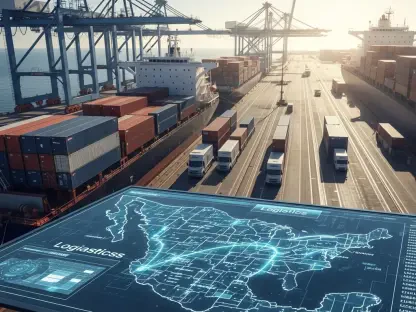

Global shipping volumes have surged significantly, reaching a staggering 127 million tonnes annually as e-commerce continues to dominate consumer behavior across every major international market. This nearly 10% year-on-year increase has placed an immense strain on existing logistics networks, many of which were designed for a slower era of bulk freight rather than the high-velocity, individual-parcel demands of today. As traditional major air hubs reach their physical and operational limits, the resulting congestion is creating critical bottlenecks that threaten the delivery promises made by global retailers. To keep pace with this relentless growth, the industry is undergoing a fundamental transformation, moving away from labor-intensive manual processes toward integrated, high-tech ground handling systems. This modernization is no longer a luxury for top-tier players; it has become a baseline requirement for any facility hoping to remain relevant in a landscape defined by rapid-turnaround expectations.
Adapting to Logistics Shifts and Regulatory Demands
Navigating Hub Congestion and Decentralization
The migration of cargo operations toward “second-line” airports and secondary hubs represents a strategic pivot intended to bypass the gridlock found at primary international gateways. These smaller facilities offer the advantage of less crowded airspace and quicker tarmac-to-warehouse transitions, but they often struggle with a lack of specialized infrastructure capable of managing high-volume Unit Load Devices. Without the right equipment, these emerging hubs risk replicating the very inefficiencies they were meant to solve, leading to stalled growth and missed opportunities. Consequently, logistics providers are now focusing on scalable business models that prioritize modularity, allowing infrastructure to expand incrementally as volume increases. By investing in flexible cargo handling systems early on, these secondary locations can offer a competitive alternative to major hubs, ensuring that the global supply chain remains resilient even as consumer demand continues its upward trajectory from 2026 to 2028.
Achieving this level of operational fluidity requires a departure from the “warehouse-only” mindset toward a more holistic view of the cargo lifecycle. Traditional handling methods, which rely heavily on manual labor and standard forklifts, are increasingly insufficient for the sheer scale of modern e-commerce throughput. Transitioning to a mission-critical infrastructure involves integrating land-side and air-side operations so that goods move seamlessly from arriving aircraft to departing delivery trucks without unnecessary delays. This strategic overhaul is not merely about adding more floor space; it is about optimizing the existing footprint through data-driven layouts and automated transport systems. When every minute saved in the warehouse translates to a faster delivery for the end consumer, the ROI on these upgrades becomes undeniable. Furthermore, this approach allows facilities to handle peak season surges with greater ease, reducing the risk of employee burnout and operational collapse during the busiest periods.
Upholding Global Safety and Compliance Standards
Maintaining the integrity of air cargo operations demands strict adherence to the safety protocols established by the International Air Transport Association, yet many facilities still fall short in practical application. A pervasive gap exists between the theoretical understanding of these global standards and the daily reality on the warehouse floor, where improper handling remains a significant liability. One of the most common violations involves the use of standard forklifts to move Unit Load Devices directly, a practice that frequently leads to container damage and potential safety hazards for ground crews. IATA regulations clearly prohibit ULDs from coming into direct contact with concrete floors to prevent structural degradation and contamination. Modernizing infrastructure with specialized slave pallets and mobile workstations ensures that these expensive assets are handled correctly at all times. By eliminating manual handling errors through technology, companies protect their operational licenses and avoid the costly fines.
Beyond mere rule-following, the adoption of standardized handling equipment serves as a robust defense during rigorous airline audits and safety inspections. Carriers are increasingly selective about the ground handlers they partner with, favoring those who can demonstrate a commitment to cargo security and equipment longevity. Implementing a consultative, risk-based strategy allows facility managers to identify specific vulnerabilities within their current workflow before they result in accidents or damaged goods. This proactive stance involves conducting thorough assessments of how containers are moved, stored, and loaded, ensuring that every piece of equipment meets the highest industry benchmarks. As the complexity of e-commerce logistics grows, the ability to provide a safe and compliant environment becomes a key differentiator in the marketplace. Facilities that prioritize these standards not only reduce their insurance premiums and repair costs but also build a reputation for reliability that attracts high-value contracts.
Implementing Technical Innovations for Scalability
Automating Ground Handling with Roller Systems
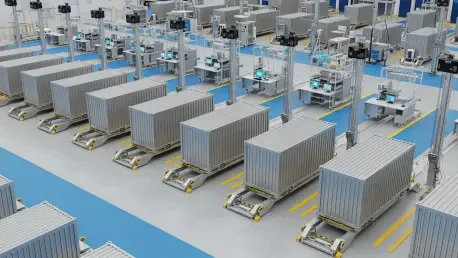
The introduction of powered and unpowered roller beds has revolutionized the way heavy air cargo is maneuvered within the modern warehouse environment. These systems utilize a network of motorized or gravity-fed rollers to propel heavy ULDs across the floor with minimal human intervention, effectively turning the entire facility into a dynamic conveyor. For many operators, the ability to retrofit these roller beds into existing trailers and floor spaces is a game-changer, allowing for immediate efficiency gains without the need for a complete facility rebuild. Powered versions are particularly effective at bridging the gap between the warehouse dock and the transport vehicle, as they can effortlessly move multi-ton containers in a fraction of the time required by traditional methods. This automation significantly lowers the physical demand on the workforce, reducing the incidence of musculoskeletal injuries and improving overall morale. By streamlining the loading process, handlers can achieve a level of consistency.
Furthermore, the protection of the cargo itself is greatly enhanced by the smooth, controlled movement provided by these advanced roller systems. In a manual environment, the risk of sudden impacts or improper tilting is high, which can jeopardize the delicate electronics and high-value goods that frequently make up e-commerce shipments. Automated rollers ensure that containers remain level and stable throughout the entire handling process, preserving the structural integrity of the ULD and its contents. This level of precision is essential for maintaining the high standards required by modern air freight, where even minor damage can lead to rejected shipments and significant financial losses. As logistics providers look toward the future of the industry, the integration of these systems is becoming a cornerstone of their growth strategies. The ability to move goods with surgical precision at high volumes allows companies to scale their operations while maintaining the quality control that global brands demand from their supply chain partners.
Enhancing Throughput via Strategic Facility Design
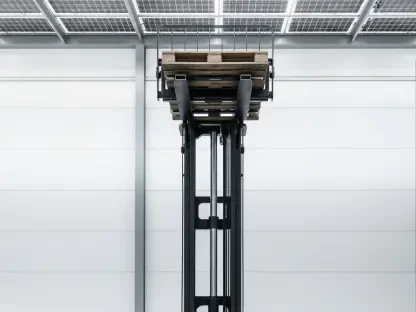
Integrating height-adjustable truck docks and mobile workstations further refines the interface between land-side and air-side operations, creating a seamless flow of goods. These tools act as a critical bridge, ensuring that the movement of containers between transport vehicles and the warehouse remains perfectly level and secure. This alignment is vital for preventing the mechanical stress that occurs when heavy loads are forced over uneven thresholds, which can damage both the equipment and the warehouse floor. By utilizing height-adjustable docks, facilities can accommodate a wider variety of vehicle types, from small regional delivery vans to large international freight trailers, without sacrificing speed or safety. This versatility is particularly important for second-line airports that must handle a diverse range of cargo traffic. Mobile workstations, or slave pallets, complement this by allowing for the safe positioning of cargo within the warehouse, ensuring that ULDs never touch the floor.
Optimizing the physical layout of a cargo facility requires a move toward mission-critical infrastructure that minimizes physical strain on employees and safeguards expensive equipment. By partnering with experienced equipment providers to conduct thorough risk assessments, companies identified specific bottlenecks that were previously overlooked. This consultative approach led to the implementation of innovations that maximized the utility of even the most constrained spaces, allowing handlers to process more volume without expanding their physical footprint. Strategic design also involves the placement of powered systems at high-traffic junctions to eliminate manual pushing and pulling, which are primary causes of workplace strain. When a facility is designed with both human ergonomics and mechanical efficiency in mind, the result is a high-performance environment capable of sustaining long-term growth. These design choices provided the foundation for operational viability in a market that demanded both high speed and unwavering reliability.
Future-Proofing the Global Supply Chain
The modernization of air cargo infrastructure provided a clear path forward for logistics companies looking to capitalize on the sustained e-commerce boom. Organizations that transitioned to automated roller systems and height-adjustable docking solutions found that they could process significantly higher volumes with fewer errors and lower labor costs. This strategic shift not only protected personnel from injury but also safeguarded the integrity of expensive ULDs, which was essential for maintaining positive relationships with international airlines. By embracing a consultative approach to facility design, ground handlers successfully navigated the challenges of hub congestion and regulatory compliance. The resulting operational agility allowed these facilities to adapt to shifting market demands with minimal disruption. Moving forward, the industry should focus on the continued integration of modular, scalable technologies that can evolve alongside the next generation of delivery requirements. Investing in standardized, high-efficiency equipment remained the most effective way to ensure long-term competitiveness and safety in a high-velocity global economy.