
With decades of experience navigating the complexities of strategic and operational management, Marco Gaietti offers a unique lens on the evolving landscape of logistics. Today, he joins us to dissect a landmark project: the development of Arla Foods’ new national distribution center in the UK. This ambitious undertaking, a collaboration between the dairy cooperative Arla, logistics giant XPO, and real estate leader Prologis, serves as a masterclass in future-proofing the supply chain. We will explore how this initiative addresses resilience by consolidating chilled goods, leverages cutting-edge automation to maximize efficiency in a cold-store environment, and integrates ambitious sustainability goals into its core design. Our conversation will also touch on the strategic importance of its location and the critical human element of building a skilled workforce to power this advanced facility.
This new central distribution center consolidates all of Arla’s chilled products into a single location. What specific supply chain vulnerabilities does this address, and how does the three-way partnership ensure a more resilient and efficient operation for the long term?
Consolidating operations of this scale is a truly strategic leap forward. When you have products like cheese, butter, and yogurts spread across various locations, your supply chain becomes fragmented and inherently more vulnerable to disruptions. By bringing everything under one roof at a central, established hub like DIRFT, you are fundamentally strengthening the backbone of the operation. This move directly enhances resilience against unforeseen challenges. The three-way partnership is the secret sauce here. Arla provides the high-quality products households trust, XPO brings deep expertise in transformation and scalable operational design, and Prologis delivers the world-class infrastructure. It’s this synergy that ensures the facility isn’t just a warehouse, but a future-ready ecosystem designed for long-term efficiency, waste reduction, and growth.
The facility will utilize Movu’s ‘Atlas’ 4D pallet shuttle system. Could you walk us through how this scalable technology maximizes space in a cold store environment and what kind of upskilling XPO will provide for the 400 new skilled warehousing roles?
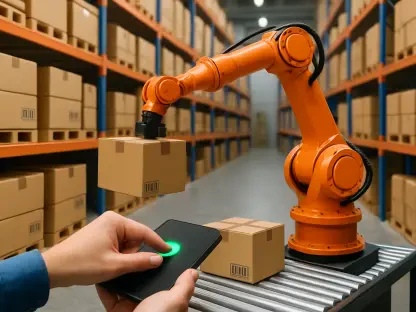
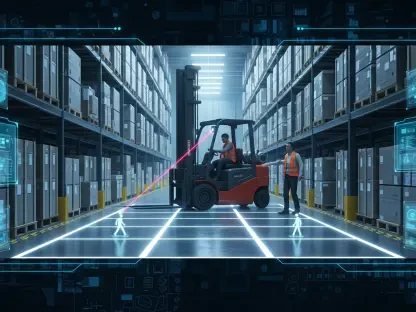
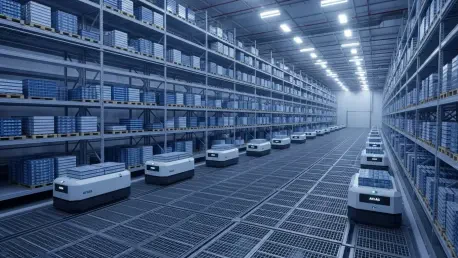
The primary challenge in any cold store is to “chill as little as possible,” because every cubic meter of refrigerated air costs money. This is where a system like Movu’s ‘Atlas’ 4D shuttle is a game-changer. Instead of traditional wide aisles needed for forklifts, this system uses individual, robotic shuttles that operate in a dense grid, maximizing the use of the 22.5-meter vertical height. It’s incredibly scalable; you can simply add more shuttles to handle peak periods without a major reconfiguration. This allows them to pack 40,000 pallet locations into the facility. Crucially, this level of automation transforms the nature of the work. The 400 new jobs won’t be standard manual labor. XPO is creating skilled roles in automation operations, maintenance, quality control, and safety, providing dedicated training and upskilling during the onboarding process to build a workforce capable of running a truly advanced operation.
The center is being built to high sustainability standards, including a BREEAM outstanding rating and a large solar array. Beyond the environmental benefits, what are the long-term operational and financial advantages of this design, especially regarding energy surplus and rail freight utilization?
Achieving a BREEAM outstanding rating and an EPC A* rating is about more than just corporate responsibility; it’s a smart, long-term business strategy. The operational advantage is immediate and significant. The massive PV solar array, for instance, isn’t just meant to offset power usage—it’s designed to generate a surplus of electricity. In an environment with volatile energy costs, this creates a predictable, lower operational expense and a potential revenue stream. Financially, this makes the facility more resilient to market shocks. Furthermore, the emphasis on rail freight connectivity is key. Taking 70 to 80 trucks off the road with every single rail service used dramatically cuts fuel costs, reduces road wear and tear, and creates a more reliable transport link, especially for long-haul routes to hubs in places like Scotland.
The DIRFT logistics park offers direct access to major motorways and the west coast mainline. How does this specific location enhance the goal of reducing road miles, and what role will the rail terminal play in connecting with Arla’s other hubs in places like Scotland?
Location is everything in logistics, and DIRFT is arguably the most established warehouse location in the UK for a reason. Its placement adjacent to the M1 and M6 motorways provides immediate, efficient access to the national road network, which is the first step in optimizing routes and reducing unnecessary miles. But the true strategic advantage is the direct integration with the west coast mainline. This rail connectivity is a powerful tool for decarbonization and efficiency. Instead of relying solely on trucks for the long journey to Scotland, where Arla has another major hub, they can shift a significant volume of product to rail. This not only slashes road miles but also builds a more robust, multi-modal supply chain that is less dependent on a single mode of transport.
With logistics companies often experiencing rapid growth, recruiting enough staff can be a challenge. Beyond a standard benefits package, what specific values or vocational approaches does XPO emphasize to attract and retain the talent needed to run such an advanced, automated facility?
In a high-growth environment, simply offering a paycheck isn’t enough to attract and retain top talent, especially for the skilled roles this facility demands. The real challenge is recruiting enough of the right people. This is where a company’s culture and values become a competitive advantage. XPO understands that they are a people-based organization at their core. By emphasizing a strong vocational approach, they signal a commitment to career development, not just a job. Investing in comprehensive training for advanced automation shows prospective employees that they will gain valuable, future-proof skills. This, combined with a strong benefits package and being part of a cutting-edge facility, creates a powerful sense of pride and purpose that is essential for building a loyal and motivated team.
What is your forecast for the future of automated chilled logistics?
I believe we are on the cusp of a significant transformation. The future of automated chilled logistics will be defined by three key trends: hyper-efficiency, integrated sustainability, and data-driven decision-making. We will see the widespread adoption of scalable automation like the 4D shuttle systems, not just for space utilization but for their flexibility to adapt to seasonal demand spikes. Sustainability will no longer be a separate initiative but will be baked into the infrastructure itself, with facilities becoming self-sufficient power generators and multi-modal transport hubs being the standard. Ultimately, every pallet, every shuttle, and every shipment will generate data that, when harnessed by AI, will enable predictive maintenance, optimize energy consumption in real time, and create a supply chain that is not just resilient but truly intelligent and self-correcting.