
Imagine a world where industrial drive systems are designed, tested, and validated before a single piece of hardware is even built—a world where costly errors are caught early, and project timelines shrink from months to mere weeks. This is no longer a distant dream but a tangible reality, thanks to groundbreaking advancements in digital twin technology. At the forefront of this revolution stands NORD DRIVESYSTEMS, a key player in the industrial automation sector, driving innovation through virtual commissioning. This report delves into how such cutting-edge tools are reshaping the landscape of drive system development, enhancing efficiency, and setting new benchmarks for reliability.
Revolutionizing Drive Systems: The Role of Digital Twins in Industry
The industrial drive systems sector forms the backbone of automation and manufacturing, powering everything from conveyor belts to complex robotic assemblies. High-efficiency motors, inverters, and gear units are critical components, ensuring precision and energy savings across diverse applications. Major players like NORD DRIVESYSTEMS have long been instrumental in pushing the boundaries of what’s possible, delivering solutions that meet the ever-growing demands of modern industry.
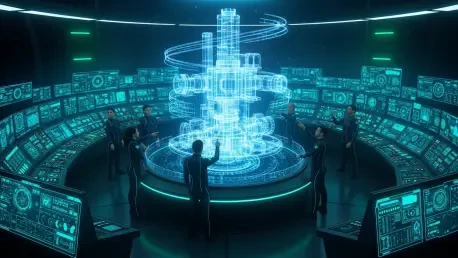
Amid this dynamic environment, technological advancements such as digital twins and virtual commissioning are proving to be game-changers. These innovations allow for the creation of virtual replicas of physical systems, enabling engineers to simulate performance under real-world conditions without the need for physical prototypes. This shift not only accelerates development cycles but also reduces costs, marking a significant leap toward smarter, more sustainable industrial practices.
Unveiling NORD’s Digital Twin Innovation and Market Impact
Cutting-Edge Trends in Virtual Commissioning
Virtual commissioning, powered by digital twins, is rapidly gaining traction as a cornerstone of drive system planning. By integrating sophisticated simulation technologies, companies can now model and test drive configurations in a virtual environment long before production begins. This trend is driven by the pressing need for faster project timelines and the desire to minimize risks associated with system integration.
Moreover, the ability to validate system performance early through simulation offers unprecedented opportunities for enhancing reliability. Engineers can identify potential flaws or inefficiencies in a risk-free setting, ensuring that the final product aligns perfectly with operational requirements. As a result, the adoption of these tools is transforming how complex automation projects are approached, with industry leaders like NORD setting the pace.
Market Growth and Future Projections for Digital Twins
Data from recent industry analyses indicates a robust upward trajectory for digital twin adoption in industrial automation, with growth rates reflecting a compounded annual increase of over 30% in some segments. Performance metrics further underscore the value of this technology, showing significant reductions in commissioning errors and downtime for companies that embrace it. NORD, for instance, has reported impressive gains in project efficiency through its simulation models.
Looking ahead, forecasts suggest that virtual commissioning services will continue to expand, with projections estimating a doubling of market penetration over the next few years, from this year to 2027. NORD’s strategic roadmap includes broadening the application of digital twins across additional product lines, signaling a clear commitment to leveraging this technology for comprehensive market impact. This forward momentum points to a future where digital integration becomes the norm rather than the exception.
Tackling Challenges in Virtual Commissioning Adoption
Despite its promise, the adoption of digital twins is not without hurdles. Technical complexities, particularly in integrating virtual models with existing systems, pose significant challenges for many organizations. Additionally, the scarcity of skilled engineers proficient in simulation technologies often slows down implementation, creating bottlenecks in otherwise streamlined processes.
However, solutions are emerging to address these barriers. Partnerships with specialized software firms, such as NORD’s collaboration with Machineering, are proving effective in bridging technical gaps. Furthermore, targeted training programs are helping to equip engineering teams with the necessary expertise, ensuring that the transition to virtual commissioning is both smooth and sustainable for the long term.
Navigating the Regulatory and Standards Landscape for Simulation Tech
A critical aspect of adopting simulation technology lies in navigating the regulatory and standards framework. Standards like the Functional Mock-up Interface (FMI) play a vital role in ensuring interoperability among diverse simulation models, fostering a cohesive ecosystem for virtual commissioning. Compliance with such standards is essential for seamless integration across platforms and systems.
Beyond interoperability, issues of data security within digital twins cannot be overlooked. As virtual models often contain sensitive operational data, adherence to strict compliance requirements is paramount to safeguarding intellectual property and operational integrity. Regulations continue to shape the pace and scope of technology adoption, guiding companies toward responsible and secure implementation in industrial automation.
Future Horizons: Digital Twins as a Game-Changer in Drive Systems
The potential of digital twins to disrupt traditional commissioning processes is immense, offering faster and more reliable outcomes that redefine industry expectations. By simulating entire systems in a virtual space, companies can bypass many of the delays and uncertainties inherent in physical testing, aligning with customer demands for heightened efficiency and precision.
Emerging innovations, such as advanced predictive analytics within digital twins, further amplify their transformative power. Meanwhile, global economic trends, including a push for cost-effective and sustainable manufacturing, are accelerating the integration of digital tools. This convergence of technology and market forces suggests that virtual commissioning will soon become an indispensable component of drive system development.
Driving Forward: NORD’s Vision for Industrial Automation
Reflecting on the journey, NORD’s adoption of virtual commissioning and digital twin technology had reshaped project efficiency and system reliability in profound ways. The ability to validate high-efficiency products like IE5+ and IE4 motors in a virtual space had set a new standard for precision in automation. This transformative approach had not only minimized errors but also accelerated delivery timelines, offering tangible benefits to engineers and manufacturers alike.
Looking back, the strategic focus on expanding simulation services to diverse product lines had laid a solid foundation for sustained innovation. For stakeholders, the next steps involved investing in scalable simulation-driven solutions and fostering collaborations that enhance technical capabilities. Prioritizing training and adherence to evolving standards had emerged as critical considerations, ensuring that the industry could harness the full potential of digital twins to drive future growth in industrial automation.