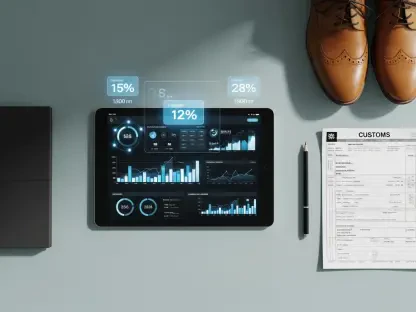

Knowing whether your team is making genuine progress toward strategic goals is a far greater challenge than simply setting them, a reality that often leaves leadership disconnected from day-to-day execution. As organizations scale, ambitious objectives tend to drift, becoming abstract concepts

Your project management platform works perfectly fine until your organization starts stretching in new directions, revealing the limitations that were always just beneath the surface. A critical marketing campaign needs to seamlessly roll into revenue reporting, a new product launch spans three

With decades of experience in management consulting, Marco Gaietti is a seasoned expert in Business Management, specializing in strategic operations and customer relations. As airports grapple with surging passenger numbers, the logistics behind the scenes—from stocking luxury boutiques to

The island nation of Mauritius is rapidly cementing its status as a sophisticated African financial hub, a transformation driven not by its pristine beaches but by a deliberate and strategic embrace of digital innovation. Businesses across the nation are aggressively transitioning from cumbersome

In the bustling 2026 digital workplace, the quest for a single application to govern all aspects of work has become the ultimate prize, promising to end the costly and inefficient shuffle between dozens of specialized tools. Project management platform ClickUp has positioned itself as the leading
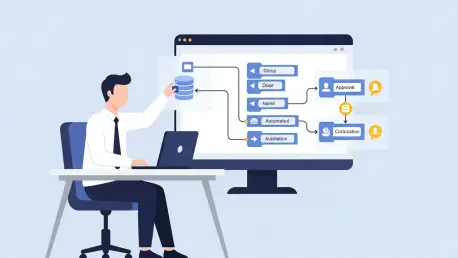
An organization's ability to compete and innovate is no longer determined by the volume of data it collects, but by its capacity to transform that information into synchronized, goal-oriented action across all departments. Work Execution Platforms represent a significant advancement in business