
Even as modern industrial giants pour millions into robotic automation and artificial intelligence, the success of a multibillion-dollar production facility often hinges on the structural integrity of a single wooden board. While companies invest heavily in sophisticated software, a cracked pallet can bring an entire line to a grinding halt. This humble carrier is often dismissed as a basic consumable, yet this “weak link” silently drains thousands of dollars from corporate budgets through constant replacements and equipment downtime.
Shifting the perspective from viewing pallets as a recurring expense to treating them as long-term capital assets is the first step in plugging financial leaks. Most logistics managers overlook the secondary costs associated with pallet failure, such as the labor required to clean up debris or the risk of damaged goods. By treating these carriers as fundamental components of the infrastructure, firms can unlock hidden efficiencies. This mindset allows for a more rigorous assessment of the return on investment for each load-bearing unit in the facility.
The Hidden Financial Leak in Modern Logistics
The operational costs of maintaining a wooden pallet fleet are often higher than they appear on a balance sheet. Beyond the purchase price, companies must account for the consistent maintenance required to keep wood in a safe, usable condition. In a high-speed warehouse, even a tiny splinter can jam a conveyor system, leading to hours of lost productivity. These micro-disruptions accumulate over time, creating a significant burden on the annual operational budget that many firms simply accept as an unavoidable cost of doing business.
Furthermore, the lack of uniformity in wooden pallets complicates the precision required by modern automated storage and retrieval systems. Sensors and robotic arms demand consistent dimensions to operate without error. When a pallet warps or loses a board, it becomes a liability that risks damaging the very technology designed to improve efficiency. Replacing these units with a more reliable material ensures that the technical investments made in the warehouse are not undermined by the lowest-cost component of the system.
Transitioning from Disposable Consumables to Long-Term Assets
Traditional supply chains operate on a linear model, utilizing low-cost wooden pallets intended for limited use before disposal or repair. This approach is increasingly incompatible with modern environments where durability and precision are paramount. In a closed-loop system, where assets stay within a controlled internal network, the “cheap” price tag of wood becomes a liability due to high loss rates and a short lifespan. Moving away from a disposable mentality requires a commitment to sourcing materials that do not degrade under constant pressure.
As global industries lean toward circular economies, the necessity for equipment that can withstand hundreds of trips becomes a matter of operational survival. In 2026, the transition toward a circular framework is a core requirement for those looking to scale operations without increasing their waste footprint. Durable assets facilitate a more predictable supply chain, as managers can rely on the presence and condition of their pallets rather than constantly ordering replacements. This reliability transforms the shipping platform from a line-item expense into a stable foundation for growth.
The Operational Superiority of Plastic Over Wood
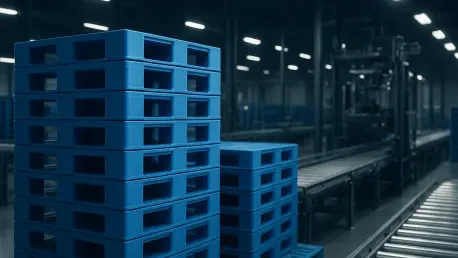
The physical properties of high-density polyethylene (HDPE) pallets provide distinct advantages that wood simply cannot match in a rigorous supply chain. Plastic pallets maintain a constant weight, unlike wood which absorbs moisture and becomes heavier over time. They also lack the nails and splinters that frequently damage automated machinery or cause worker injuries. Moreover, specialized designs—such as open-deck configurations—allow for critical processes like gas sterilization in medical or food-grade environments, ensuring that hygiene standards are met without compromising structural integrity.
Because these units can last up to a decade, they offer a significantly lower total cost of ownership while allowing for branding features that discourage asset loss. Integrated tracking features like RFID or GPS become much more feasible when the carrier itself is designed to last for hundreds of trips. This level of visibility ensures that high-value assets remain within the designated loop, providing managers with real-time data on inventory movements. The ability to wash and sanitize these units also makes them ideal for industries with strict cross-contamination protocols.
Evidence from the Field: The Kimal Medical Device Case Study
The financial impact of this transition was clearly illustrated by the UK-based manufacturer Kimal, which faced a staggering annual loss of approximately $100,000 due to pallet failure and loss during sterilization. By replacing their failing wooden stock with 1,095 heavy-duty recycled plastic pallets, the company transformed a logistical nightmare into a streamlined success. They addressed the core issue of wood absorbing gas and moisture, which had previously compromised their sterile environments. This change ensured that the medical products remained uncontaminated throughout the distribution process.
Not only did they project annual savings of £84,000, but they also achieved an annual carbon reduction of 1,200kg. This real-world application proved that the longevity of plastic equipment reduces transport movements and manual handling risks, directly correlating robustness with profitability. The success at Kimal served as a blueprint for other manufacturers dealing with high-sensitivity products and demanding cleaning protocols. By choosing equipment specifically designed for their environment, they eliminated the recurring costs associated with the fragility of natural timber.
Strategic Framework for a Successful Closed-Loop Transition
Implementing a high-performance pallet strategy requires a shift in how inventory is managed across the supply chain. Businesses should begin by segmenting their loop, utilizing premium plastic assets for internal processes where hygiene and durability are critical, while reserving inexpensive wood only for final, one-way outbound deliveries. This hybrid model protects high-value assets from leaving the facility while maintaining the low cost of external shipping. It creates a clear boundary between internal operational excellence and external distribution requirements.
To maximize the return on investment, companies prioritized the selection of HDPE materials for their impact resistance and ensured that every asset was clearly branded. This visibility helped maintain the integrity of the loop by discouraging theft and accidental loss. By focusing on equipment integrity, managers eliminated the hidden costs of “disposable” thinking and built a foundation for a safer, more sustainable operation. Regular audits of the closed-loop cycle further ensured that units were being utilized to their full potential, maximizing the utility of every single asset.
The path toward a fully optimized supply chain relied on recognizing that the smallest components often carried the largest financial weight. Managers who successfully transitioned to plastic assets discovered that data integration became significantly easier when the physical platform remained consistent and clean. They moved beyond mere cost-cutting and instead focused on the integration of smart technology within the pallets to monitor environmental conditions. These organizations fostered a culture of stewardship where every logistical asset was valued for its long-term contribution. The reduction in manual handling injuries and the elimination of wood-related debris created safer, more efficient workspaces. Those who prioritized equipment robustness found that their operations were better prepared for future demands, proving that the move toward durable alternatives was a vital investment in stability.