
The trade relationship between Poland and the United Kingdom has undergone a remarkable transformation, moving from a period of post-Brexit uncertainty to one of the most stable and predictable corridors in modern European commerce. Data gathered throughout 2025 from over 500 active exporters reveals that the average cross-border return rate has settled at an impressively low 2.8 percent, signaling a maturation of logistics systems. This stability is largely attributed to the implementation of sophisticated tracking technologies and the strategic use of Harmonized System codes during customs clearance. For businesses that previously hesitated to enter the British market, these figures provide a clear signal that the operational risks are now well-defined and manageable. Rather than being an experimental or high-risk destination, the United Kingdom has emerged as a reliable trading partner with transparent cost structures that allow for precise long-term financial forecasting and sustainable growth for the coming years.
Shifting Perceptions and Platform Influence
Reassessing the Risks of International Sales
Industry experts are actively working to dismantle the long-standing myth that selling to the British market is an inherently risky endeavor due to volatile return volumes. While many entrepreneurs once feared that high return rates would erode their profit margins, the current landscape proves that these concerns were largely based on early transitional hurdles. Today, returns are no longer viewed as an unpredictable barrier to entry but rather as a standard business parameter that is easily integrated into a robust financial model. This shift in perspective has allowed Polish exporters to move away from tentative, short-term market tests toward comprehensive, long-term international strategies. By mastering the intricate customs requirements and understanding the nuances of British consumer behavior, companies have built a foundation that supports consistent expansion without the fear of sudden, unmanageable logistics costs that previously deterred many small and medium enterprises.
The stability of this trade route is further bolstered by the specific composition of the goods currently being exported from Poland to the United Kingdom. Unlike the volatile fashion sector, which often experiences high return frequencies due to subjective sizing and style preferences, the majority of current shipments are focused on stable categories. These include home décor, beauty products, gardening supplies, and health supplements, which collectively account for more than half of all export volumes. Because consumers in these sectors tend to make more deliberate purchasing decisions that are less dependent on physical fit, the pressure on reverse logistics remains consistently low. This product-market alignment provides a natural buffer against the high-frequency return cycles seen in other industries. Consequently, sellers can allocate more resources toward product development and marketing rather than constantly managing the financial fallout from returned merchandise.
Impact of Marketplace Ecosystems on Standards
The proliferation of global marketplace ecosystems, such as Amazon, eBay, and Zalando, has significantly raised the bar for logistical excellence in cross-border trade. Within these digital environments, return rates function as a critical performance indicator that directly influences a seller’s visibility, buy-box eligibility, and overall brand reputation. To thrive in this competitive space, Polish brands have had to refine their operational standards to ensure that products meet consumer expectations on the first delivery. This pressure from major platforms has fostered a culture of precision, where accurate product descriptions and high-quality imagery are used to minimize the likelihood of a return. As a result, the entire supply chain has become more efficient, benefiting both the platform operators and the individual sellers who maintain high rankings by keeping their return ratios well below the industry average.
Specialized brands, particularly those operating in the beauty and nutritional supplement sectors, have successfully leveraged these marketplace frameworks to build a sustainable presence in Britain. By aligning their marketing strategies with the strict requirements of international platforms, these companies have turned predictability into a competitive advantage. The data suggests that when a brand provides clear information and reliable shipping, British consumers respond with high levels of loyalty and lower return frequencies. This symbiotic relationship between sellers and marketplaces has created a self-reinforcing cycle of quality. As logistics providers continue to offer more integrated solutions for these platforms, the barrier between the Polish warehouse and the British doorstep continues to thin. This evolution ensures that even smaller niche players can access the British market with the same level of confidence and logistical security as larger, established corporations.
Optimizing the Supply Chain for Future Growth
Challenges in Traditional Reverse Logistics
Despite the encouraging statistics regarding low return rates, the actual process of managing cross-border returns remains one of the most operationally complex segments of the supply chain. Traditional logistics models often struggle to handle the coordination of reverse transport, customs re-entry, and warehouse processing simultaneously. When a parcel is sent back across an international border, sellers frequently face high costs and slow processing times that can frustrate customers and tie up inventory. Without a specialized infrastructure in place, many businesses find themselves overwhelmed by the administrative burden of tracking individual items as they move through various regulatory frameworks. These inefficiencies not only impact the bottom line but also create a fragmented experience for the end consumer, who expects the same level of speed and transparency during a return as they received during the initial purchase.
Furthermore, the environmental impact of traditional international shipping is becoming an increasingly important factor for both regulators and modern consumers. Shipping individual items over long distances back to their point of origin generates a significant carbon footprint, which many companies are now eager to reduce. The lack of consolidated shipping in older return models means that vehicles are often underutilized, leading to unnecessary emissions and higher fuel consumption per unit. As sustainability requirements become more stringent in both Poland and the United Kingdom, the pressure to find greener alternatives is mounting. Businesses are recognizing that they can no longer ignore the ecological costs of their reverse logistics operations. Finding a way to streamline these flows is no longer just a matter of financial efficiency; it is a necessary step toward meeting the growing demand for ethical and environmentally responsible corporate practices.
Implementation of Localized Return Models
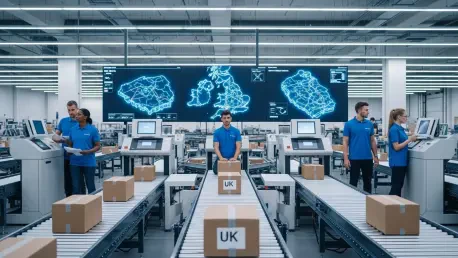
To mitigate the complexities of international trade, forward-thinking companies have transitioned toward localized return strategies that utilize dedicated processing centers within the United Kingdom. This approach fundamentally changed how items were handled by allowing local couriers to collect returns and deliver them to a domestic hub rather than shipping them immediately back to Poland. By processing items locally, staff were able to scan and track returns within 24 hours, providing immediate transparency to both the seller and the customer. This rapid processing enabled faster refund decisions and allowed for more efficient restocking of inventory that was still in prime condition. The use of local centers also facilitated more rigorous quality control, as personnel could perform immediate inspections and provide photo documentation, ensuring that only valid returns were authorized for further processing or consolidated shipping.
This shift toward localization effectively addressed the environmental concerns and cost inefficiencies that plagued previous logistics models. By consolidating multiple returns into single, bulk shipments for the cross-border leg of the journey, companies significantly reduced their overall carbon emissions and transportation expenses. This strategic move transformed reverse logistics from a burdensome necessity into a sophisticated tool for maintaining market share. Moving forward, the most successful exporters will be those who integrate these localized systems into their core supply chain strategy. Prioritizing speed, transparency, and environmental responsibility has proven to be the most effective way to secure a competitive edge in the global marketplace. Organizations that embraced these advanced logistical frameworks found themselves better positioned to scale their international operations while maintaining the high service standards that British consumers have come to expect from top-tier brands.